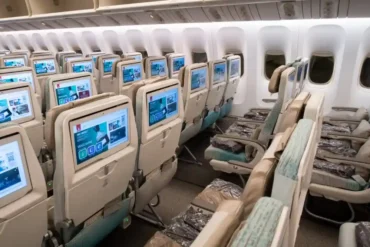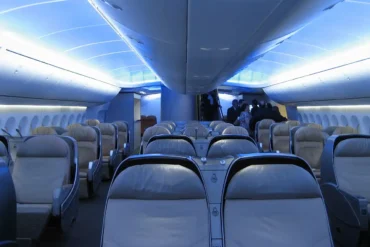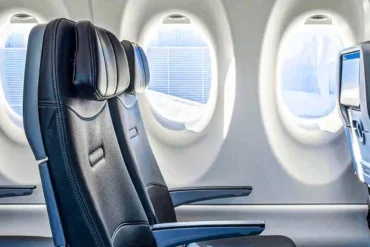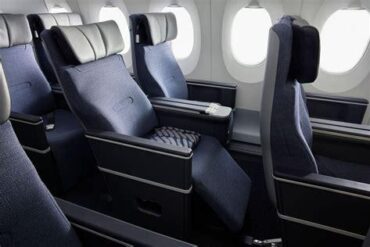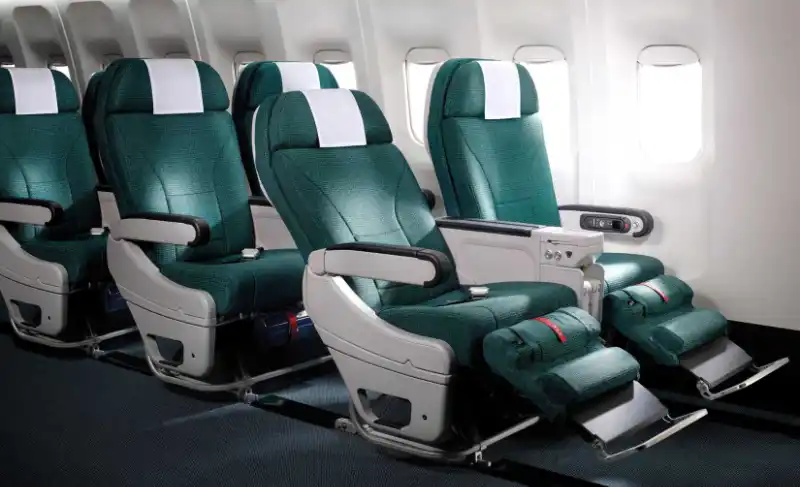
Premium economy has become one of the most important growth areas in commercial aviation. Once considered a niche product positioned between economy and business class, it has evolved into a major cabin category that airlines use to attract travelers who want a more comfortable journey without paying the full cost of a premium business-class ticket. Across international networks, carriers are investing heavily in redesigned cabins, upgraded seating, enhanced dining, and improved service standards to make premium economy a compelling alternative.
However, behind the marketing campaigns and carefully designed passenger experiences, one factor determines whether premium economy truly feels premium: space. While airlines highlight features such as welcome drinks, premium meals, larger entertainment screens, and priority services, the element that passengers experience continuously throughout an entire flight is the amount of physical room around their seat.
For long-haul travelers, the most important measurement of that space is seat pitch. This single specification often determines whether a premium economy seat feels like a meaningful upgrade or simply a slightly improved economy seat. The additional inches between rows influence comfort, movement, relaxation, and even how passengers feel when they arrive at their destination.
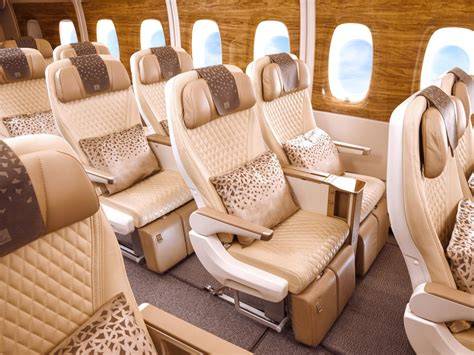
Seat Pitch: The Defining Metric of Premium Economy Comfort
Seat pitch is the distance between a specific point on one seat and the same point on the seat directly ahead. Although it does not represent the complete dimensions of a passenger seat, it remains the industry’s most common measurement for evaluating cabin space.
In a typical economy class cabin, seat pitch usually ranges between 29 and 32 inches. This configuration allows airlines to maximize aircraft capacity, but the trade-off is reduced personal space, especially on flights lasting several hours. Premium economy cabins generally increase this figure to around 38 inches, with some airlines offering even more generous layouts reaching approximately 40 to 42 inches.
Those additional inches may appear minor on paper, but their impact becomes significant during a long flight. A few extra inches allow passengers to sit more naturally, move their legs more freely, and adjust their posture without constantly contacting the seat in front. The difference is not merely numerical; it changes how the passenger interacts with the aircraft environment.
A premium economy seat with greater pitch creates a feeling of openness that standard economy often lacks. Travelers gain more freedom while eating, working on a laptop, watching movies, or attempting to sleep. Instead of constantly adapting their body to a restricted space, passengers can adapt the seat environment to their own comfort.
This is why seat pitch remains the most reliable measurement when evaluating premium economy products. Unlike subjective improvements such as meal quality or service style, seat pitch is measurable, comparable, and directly connected to the physical experience of flying.
Why Extra Legroom Has a Greater Impact Than Luxury Features
The importance of legroom extends beyond simple comfort. During short flights, limited space may be manageable, but on long-haul and ultra-long-haul routes, restricted movement can gradually create physical strain.
A passenger traveling for 10, 12, or even 17 hours experiences the limitations of economy seating much more intensely. A narrow seating environment can encourage awkward posture, reduce opportunities to change position, and increase feelings of stiffness after landing.
Premium economy addresses this problem by creating a more flexible personal space. Additional seat pitch allows passengers to stretch their legs, shift their sitting position, and avoid the constant pressure of having their knees close to the seat ahead.
For taller passengers, this difference can completely change the flight experience. In economy class, even a few hours can involve carefully managing leg position to avoid discomfort. In premium economy, the same passenger may experience a much more relaxed journey because the cabin design accommodates natural movement.
The benefits also extend to circulation and overall fatigue. Long periods of immobility are one reason travelers often feel exhausted after extended flights. While premium economy cannot eliminate the effects of long-distance travel, improved space encourages movement and reduces some of the physical stress associated with confined seating.
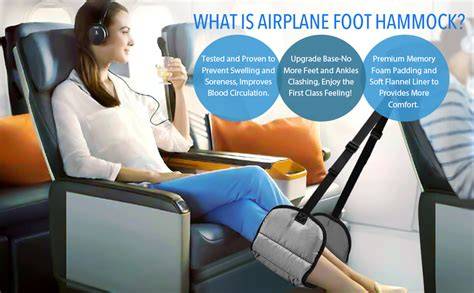
How Space Improves Sleep and Rest on Overnight Flights
One of the strongest reasons passengers choose premium economy is the possibility of arriving more refreshed. Although premium economy seats do not transform into fully flat beds like business-class seats, the additional space makes rest significantly easier.
A larger seat pitch creates room for deeper recline angles, improved leg support, and additional ergonomic features. Many premium economy seats include adjustable headrests, footrests, and calf supports that work together with increased space to create a more comfortable sleeping environment.
Sleep quality on aircraft is influenced by many factors, including noise, lighting, cabin pressure, and personal comfort. However, physical restriction remains one of the biggest obstacles. Passengers who cannot comfortably adjust their legs or change position are less likely to achieve meaningful rest.
The value of premium economy is therefore not only about achieving several hours of sleep. It is also about reducing the small discomforts that accumulate throughout a flight. Being able to move slightly, stretch occasionally, and maintain a more natural posture can significantly influence how a traveler feels after landing.
For overnight flights crossing multiple time zones, that difference becomes especially important. A passenger arriving in a new city for business or vacation wants to begin the journey immediately rather than spend the first day recovering from an uncomfortable flight.
Why Premium Meals and Extra Services Cannot Replace Space
Airlines invest considerable effort into marketing premium economy through upgraded services. Passengers may receive better meals served on improved tableware, complimentary drinks, priority check-in, priority boarding, additional baggage allowances, and enhanced amenity kits.
These features certainly contribute to the overall impression of a premium product. A well-presented meal or smoother airport experience can make a journey more enjoyable. However, these benefits are temporary compared with the continuous effect of physical space.
A meal service may last less than an hour. Boarding benefits may save only a few minutes at the airport. An amenity kit may provide useful items during the flight. But seat space affects every moment from takeoff until landing.
The passenger spends the majority of the journey sitting in the seat. Therefore, the seat itself remains the foundation of the experience. A premium economy cabin with excellent service but limited space may disappoint passengers, while a cabin with generous pitch can feel significantly better even without excessive extras.
This is why experienced travelers often examine seat specifications before booking premium economy. The marketing language may sound impressive, but the actual seat dimensions reveal whether the product delivers meaningful value.
Airline Differences Make Seat Pitch Research Essential
Not all premium economy cabins provide the same experience. The premium economy label represents a category, but airlines interpret that category differently depending on aircraft type, cabin strategy, and customer expectations.
Some airlines focus on creating a near-business-class atmosphere with larger seats, generous pitch, and extensive service improvements. Others provide a more modest upgrade that mainly increases space compared with standard economy.
Carriers such as EVA Air, All Nippon Airways, and Japan Airlines have developed reputations for offering some of the more spacious premium economy products, with certain aircraft configurations providing pitch measurements approaching 42 inches.
Meanwhile, many major international airlines typically offer around 38 inches, which still represents a substantial improvement over economy seating. The difference between 38 inches and 42 inches may not sound dramatic, but on a long overnight flight, every additional inch contributes to passenger comfort.
Aircraft type also plays a major role. Modern wide-body aircraft such as the Airbus A350 and Boeing 787 Dreamliner allow airlines to redesign cabin layouts around passenger comfort, although the final experience depends heavily on how each carrier configures the aircraft.
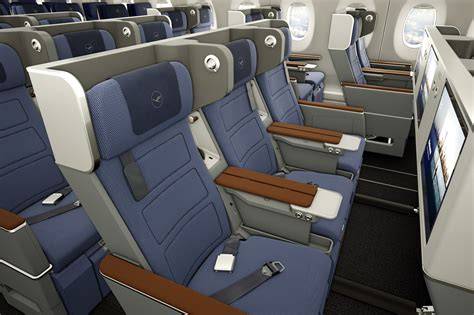
The Economics Behind Premium Economy Value
Premium economy tickets often cost significantly more than standard economy fares. Depending on the airline, route, and booking period, the price difference can range from a moderate increase to nearly double the economy fare.
This creates an important question for passengers: what exactly are they paying for?
The answer is largely determined by how much tangible improvement they receive. A premium economy ticket is most valuable when the additional cost produces a noticeable improvement in the physical journey. In many cases, that improvement comes from the seat itself.
A passenger paying extra for premium economy expects more than a slightly better meal or faster boarding. They expect a better way to spend many hours inside an aircraft. More space provides a benefit that remains valuable throughout the entire flight.
This is also why comparing premium economy products requires looking beyond the cabin name. Two airlines may both advertise premium economy, yet their actual passenger experiences can differ dramatically because of seat pitch, seat width, cabin density, and additional features.
Seat Space Determines the Real Premium Economy Experience
The future of premium economy will likely continue to revolve around one central advantage: creating more personal space between economy and business class. As airlines introduce new aircraft and redesign cabins, they understand that passengers increasingly value comfort over unnecessary extras.
Business class will always represent the highest level of airline luxury, offering lie-flat beds, private spaces, and premium services. Economy class will remain the affordable option for millions of travelers. Premium economy occupies the important middle ground by delivering a meaningful improvement without the full cost of business class.
At its core, premium economy succeeds when it solves the biggest problem of long-distance economy travel: limited space.
The larger screen, improved meal, and additional services may enhance the journey, but they do not define it. The true measure of premium economy is whether passengers have enough room to sit comfortably, move naturally, rest effectively, and arrive feeling better than they would have in economy.
Ultimately, seat pitch is the one metric that matters most in premium economy. It is the measurement that transforms a seat into a more comfortable personal space and determines whether an airline’s premium economy product delivers a genuinely better flying experience.