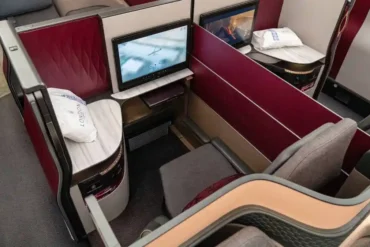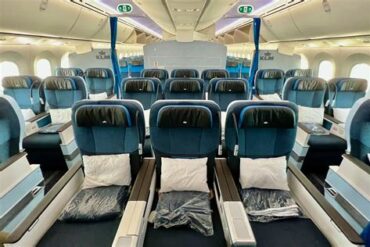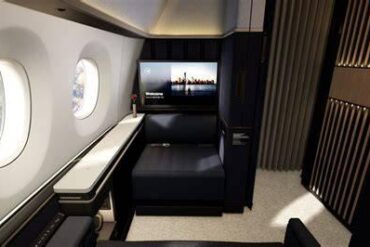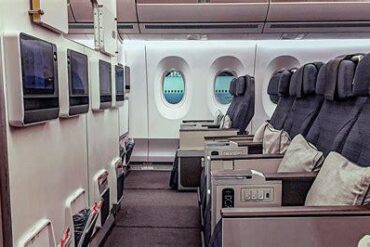
Economy class has changed dramatically over the past several decades. As airlines search for greater efficiency and higher revenue per flight, many have increased seating density by reducing seat width, decreasing legroom, and adding more passengers into the same aircraft cabin. On many modern long-haul aircraft, the once-common nine-abreast economy layout has been replaced by tighter ten-seat configurations, leaving travelers with less personal space during flights that can last more than 10 hours.
For many passengers, the difference is immediately noticeable. Narrower cushions create more shoulder contact, reduced legroom makes it harder to adjust sleeping positions, and crowded cabins can make an already exhausting journey feel even longer. Typical economy seats on international flights now often provide around 31 to 32 inches of seat pitch, while some budget airlines offer even less. The result is a growing demand for airlines that still prioritize comfort over maximum passenger capacity.
A small group of airlines has taken a different approach. Instead of filling every available inch of cabin space with additional seats, these carriers have chosen to preserve wider seats, maintain generous legroom, and create a more open atmosphere. Although these decisions reduce the number of passengers an aircraft can carry, they produce a flying experience that many travelers describe as closer to premium economy.
The most impressive economy cabins are not always defined by luxury finishes or expensive amenities. Often, the biggest difference comes from simple engineering decisions: fewer seats per row, wider cushions, improved seat design, and smarter cabin layouts. These five airlines have built reputations for offering economy seating so comfortable that many passengers mistake it for a premium product.
Japan Airlines: The Economy Seat That Proves Cabin Layout Matters
When discussing the world’s most comfortable economy seats, Japan Airlines (JAL) consistently appears near the top of the list. The airline has built its reputation by refusing to follow one of the biggest trends in commercial aviation: increasing seat density at the expense of passenger space.
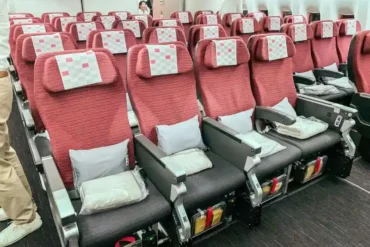
The clearest example can be found on its Boeing 787 Dreamliner fleet. Most airlines operating this aircraft use a nine-seat economy configuration arranged in a 3-3-3 layout. JAL made a different choice by installing only eight economy seats across in a 2-4-2 arrangement. That single decision creates a dramatic improvement in personal space.
Passengers receive seats measuring approximately 18.9 to 19 inches wide, dimensions that rival some premium economy products offered by other airlines. The extra width reduces shoulder pressure and provides noticeably more freedom to move during long flights. For overnight journeys, the difference becomes especially valuable because travelers can rest without constantly feeling confined.
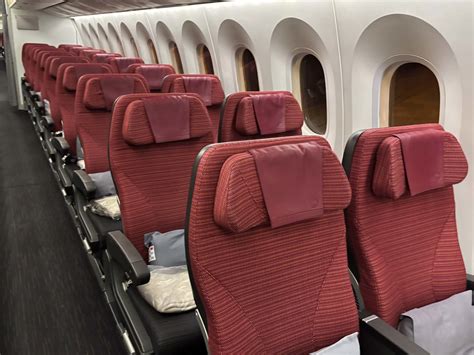
JAL also maintains a comfortable economy experience on its Boeing 777-300ER aircraft by avoiding the increasingly common ten-abreast configuration. Instead, the airline continues using a nine-seat arrangement, allowing passengers to enjoy more reasonable seat widths and improved cabin flow.
The airline’s Sky Wider economy class concept combines wider seats with approximately 33 to 34 inches of pitch, creating an environment that feels significantly less restrictive than many competing economy cabins. The benefits are not limited to the seat itself. Fewer passengers in each row also mean easier aisle access, reduced boarding congestion, and a calmer cabin atmosphere.
Independent aviation evaluations have repeatedly recognized JAL’s economy product. The airline has received awards for its economy seating quality, with analysts highlighting its unusual combination of seat width, legroom, and thoughtful cabin design. JAL demonstrates that a premium-feeling experience does not always require a premium ticket.
All Nippon Airways: Exceptional Legroom and Smart Seat Engineering
Japan’s other major international airline, All Nippon Airways (ANA), approaches economy comfort from a slightly different perspective. While JAL focuses heavily on seat width, ANA has built its reputation around generous legroom, ergonomic design, and continuous improvements to passenger space.
Across many long-haul aircraft, ANA provides around 34 inches of seat pitch in economy class. That measurement places the airline well above many international competitors and gives passengers more room to stretch, adjust their posture, and move during extended flights.
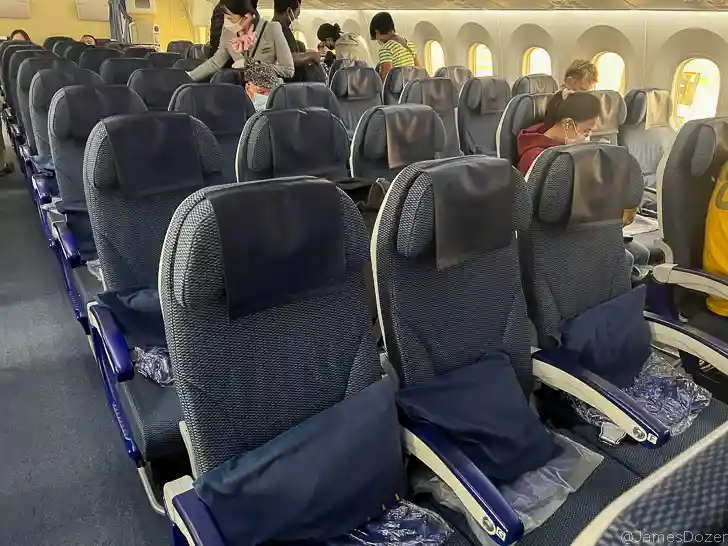
The airline has also invested in modern seat technology. Newer ANA economy seats feature improved ergonomic designs that focus on creating more usable space without requiring additional cabin length. Slimmer seat structures, redesigned seatbacks, and better positioning of personal storage areas help increase the feeling of openness.
This approach reflects a broader change in aircraft interior design. Airlines can no longer rely only on traditional seat pitch measurements because the actual passenger experience depends on how efficiently the available space is used. A carefully designed seat can feel much larger than its official dimensions suggest.
ANA’s economy cabins also benefit from the airline’s wider reputation for quality. Clean interiors, reliable service, and carefully maintained aircraft contribute to a premium impression. While the physical seat dimensions are important, the overall environment plays a major role in how passengers judge comfort.
Air Premia: The Economy Class Champion of Legroom
A relatively young airline from South Korea has quickly attracted global attention by challenging traditional ideas about economy seating. Air Premia has positioned itself as a hybrid carrier, combining affordable fares with comfort-focused cabins.
Operating an all-Boeing 787-9 Dreamliner fleet, Air Premia offers economy seating with up to 35 inches of seat pitch on selected configurations. That figure is exceptional because it approaches the legroom traditionally associated with premium economy cabins.
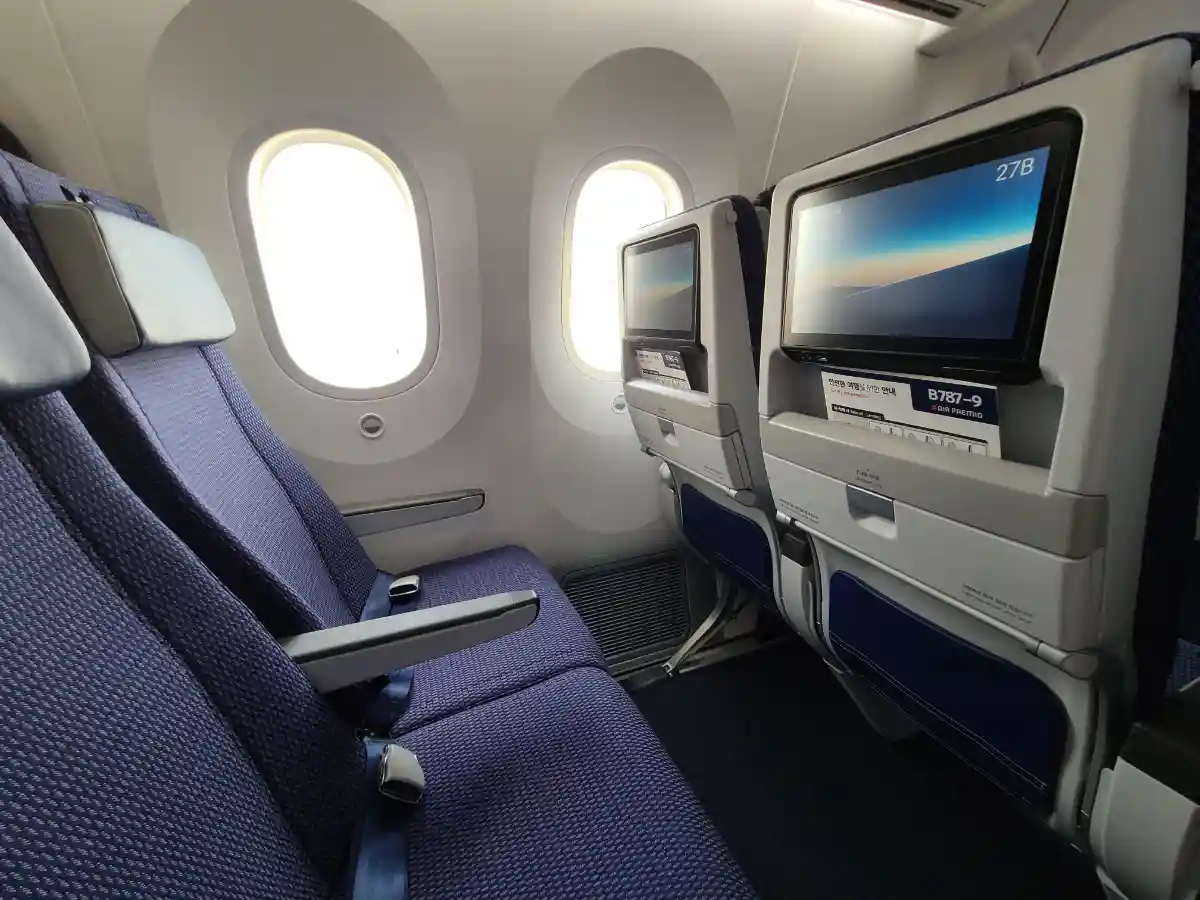
The airline achieves this by accepting a lower-density cabin layout compared with many competitors. While adding more seats could increase revenue per flight, Air Premia has chosen to compete through passenger experience instead. The additional space allows travelers to move more naturally, change sitting positions more easily, and experience less discomfort during long-haul flights.
For passengers traveling between South Korea, North America, and Europe, the extra legroom can make a significant difference. A few additional inches may appear minor on paper, but during a 10-hour flight those inches affect everything from knee positioning to sleeping comfort.
Air Premia’s strategy highlights an important trend in aviation. Not every airline is competing only through lower prices. Some are creating value by improving the physical travel experience, proving that economy class can still offer meaningful comfort improvements.
Korean Air: Protecting Wide Economy Seats in an Era of Downsizing
Many airlines have redesigned widebody aircraft cabins around maximum efficiency, but Korean Air has continued protecting one feature that frequent travelers appreciate: seat width.
The airline’s Boeing 777 economy cabins traditionally use a 3-3-3 configuration, while many competitors have moved toward a denser 3-4-3 arrangement. Adding an extra seat per row allows airlines to carry more passengers, but it also reduces the available width for each traveler.
By maintaining fewer seats across, Korean Air provides wider economy seats and avoids the cramped feeling common on densely configured aircraft. Seat pitch generally reaches around 33 to 34 inches, creating a balanced combination of width and legroom.
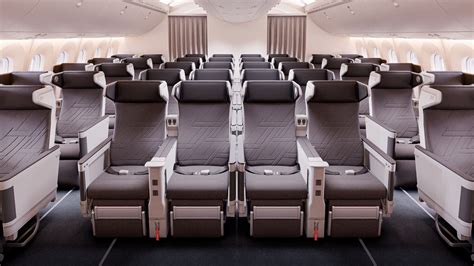
The importance of this decision became especially clear when discussions emerged about increasing seating density. Passenger reactions demonstrated how strongly travelers valued Korean Air’s spacious reputation. The airline ultimately preserved the configuration that helped establish its comfort-focused image.
The advantages extend beyond individual seats. Fewer passengers across each row create a more open cabin environment, reduce aisle congestion, and make boarding and service smoother. These small details combine to create an economy experience that feels less stressful.
Although Korean Air may not offer the largest seat pitch in every category, its commitment to avoiding extreme density has allowed it to remain one of the most respected economy products among long-haul travelers.
Qatar Airways: Premium Feeling Economy Across a Global Fleet
Unlike airlines that stand out because of one unusual cabin feature, Qatar Airways has earned recognition through consistency. The airline operates one of the world’s largest international networks, and its economy cabins maintain a reliable level of quality across different aircraft types.
Passengers flying on aircraft such as the Airbus A350, Airbus A380, Boeing 777, and Boeing 787 typically experience modern interiors, comfortable seating, advanced entertainment systems, and well-maintained cabins.
The airline’s strength comes from combining acceptable seat dimensions with a premium overall environment. Comfort is not created by seat size alone. Cabin cleanliness, lighting, noise levels, service quality, and interior design all influence how passengers perceive their journey.
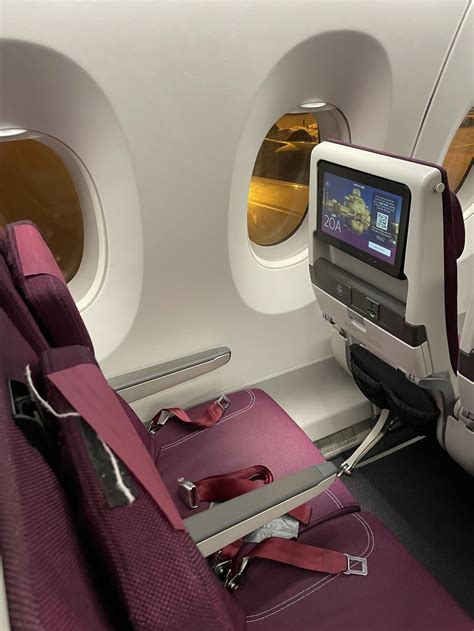
A well-designed economy cabin can feel significantly more comfortable when every element works together. Qatar Airways understands this principle by investing in the complete passenger experience rather than focusing only on individual measurements.
For travelers connecting across multiple long-haul flights, consistency is particularly valuable. A passenger booking a complex international itinerary can expect a similar standard of comfort instead of worrying that one flight will feel dramatically worse than another.
The Future of Economy Class Comfort
The airlines offering the most spacious economy seats share a common philosophy: passenger comfort requires deliberate choices. In an industry where many carriers are increasing capacity, these airlines have accepted the financial tradeoff of carrying fewer passengers in exchange for a better experience.
Wider seats, additional legroom, and smarter cabin layouts demonstrate that economy class does not have to mean sacrificing comfort. While premium cabins will always offer exclusive features, these airlines prove that thoughtful design can transform the lowest fare class into something much more enjoyable.
As travelers continue spending more time on long-haul flights, comfort is becoming a stronger factor in airline selection. The future of economy class may not depend only on adding technology or entertainment features. Sometimes, the greatest improvement is simply giving passengers more space to sit, relax, and enjoy the journey.