The Airbus A321XLR was the most eagerly awaited airliner of the decade, a single-aisle jet that promised to bring widebody reach to routes that could never fill a twin-aisle cabin. Airbus pitched it as cheaper to fly, small enough to launch forgotten city pairs, and longer-legged than the Boeing 757 it was meant to replace. Nearly two years into service, the aircraft has split its customers into two camps. Iberia and Qantas cannot say enough good things about it, while Wizz Air is storing airframes and JetBlue has walked away from its first delivery slots. The story is less a verdict on the jet than a study of how badly an aircraft can be matched to a business model.
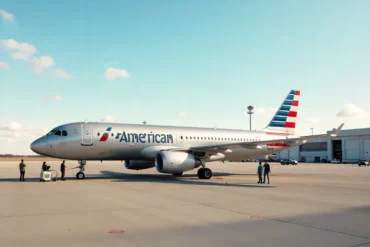
The A321XLR is not a clean-sheet design. It is an A321neo with a higher maximum takeoff weight and a sealed rear centre tank, which together stretch the type’s reach into genuine transatlantic territory. Iberia, part of IAG, flew the world’s first commercial A321XLR service on 6 November 2024, and the aircraft has since spread to Aer Lingus, Air Canada, American Airlines, IndiGo, Qanot Sharq, Qantas, Saudia, United Airlines and Wizz Air. The fleet is still small enough to be counted on two hands if you visit the right airports on the right days, which makes early operational data unusually revealing.
Iberia and Qantas Prove the A321XLR Works When the Missions Fit
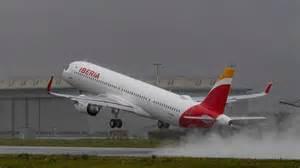
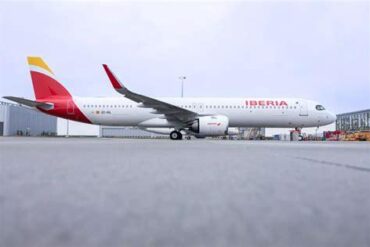
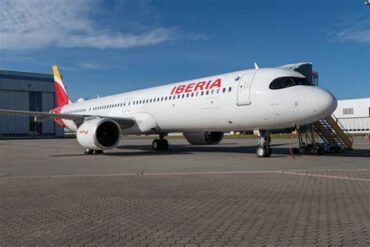
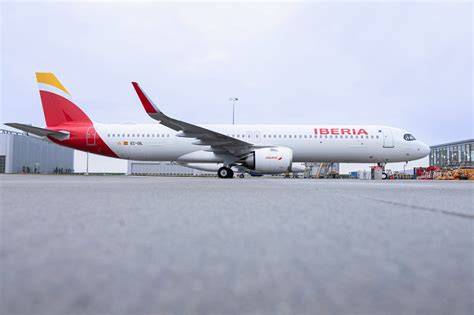
Iberia has been the most vocal champion of the A321XLR’s fuel economics, reporting that the type burns up to 40% less fuel than the widebodies it has displaced on thinner long-haul markets. That saving is not a laboratory figure. It shows up on routes like Madrid to Santo Domingo, which for a time stood as the longest A321XLR service in the world at 3,617 nautical miles, a distance that would once have demanded a far heavier aircraft with hundreds of empty seats. Iberia configured its aircraft with lie-flat business class, because the airline intends to sell a genuine long-haul product on a single aisle, and the results have validated that bet.
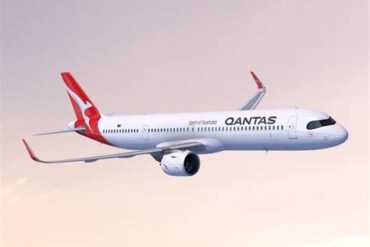
Qantas tells a different but equally positive story. The Australian flag carrier does not use lie-flat seats on its A321XLRs, fitting instead 197 to 200 recliner seats depending on layout and deploying the aircraft largely on dense domestic trunk routes. For Qantas, the appeal is payload as much as range: the jet hauls more people and cargo than the 737s it replaces while still offering the legs to reach international destinations when needed. The airline has publicly described customer reception as excellent, and it is expanding the type’s role with a future subfleet equipped with lie-flats for longer missions. Aer Lingus, Iberia’s sister within IAG, has echoed the enthusiasm and spread its examples widely across the Atlantic.
Wizz Air and JetBlue Hit Structural Walls, Not Aircraft Failures
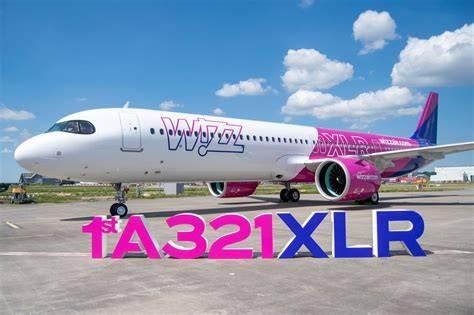
Wizz Air’s retreat looks dramatic until you trace the sequence of events. The Hungarian ultra-low-cost carrier originally ordered 47 A321XLRs, mostly to feed a grandiose Abu Dhabi subsidiary that it shut down in September 2025. With the Gulf base gone, the remaining order made little sense, and Wizz converted 36 aircraft to the standard A321neo, leaving just 11 XLRs. Five of those already delivered are now stored, stripped of engines not because the airframe is unwanted but because Pratt & Whitney GTF engine shortages have forced the airline to cannibalise its newest assets to keep older ones flying.
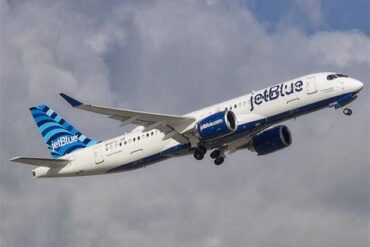
JetBlue’s exit was a matter of timing rather than temperament. The carrier had planned a premium-heavy transatlantic layout for the A321XLR, but it deferred 11 of its 13 aircraft to 2030 and beyond as part of a wider deferral of 44 A321neos. The first two delivery slots were too close to push back, so JetBlue sold them to Aegean Airlines rather than operate a two-aircraft orphan fleet for half a decade. Aegean then rejected the aircraft after seat delivery delays meant they would arrive too late for the lucrative summer season, leaving Airbus to place them elsewhere. Neither decision reflects a faulty aeroplane; both reflect schedules, seasons and scale.
United and Air Canada Expose the Gap Between Brochure Range and Real Operations
The most substantive criticism has come from carriers expecting the A321XLR to do widebody work on thin routes. United Airlines ordered 50 examples to replace its Boeing 757-200s and open new long-haul markets, yet has expressed disappointment with the aircraft’s true range, noting it cannot reliably operate services such as Newark to Italy despite those markets being part of the sales pitch. Air Canada has raised similar concerns about payload and range in hot weather and at demanding airfields, where high temperatures and short runways cut into takeoff weight and erode the mission margin that widebodies take for granted.
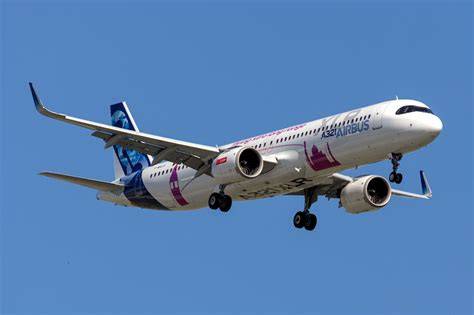
Part of the shortfall is regulatory. The A321XLR carries extra fire protection around its rear centre tank, a requirement that added weight and pushed Airbus to raise maximum takeoff weight to 101.5 tonnes to compensate. The type’s 4,700 nautical mile brochure range is calculated with favourable winds, a light configuration and the optional forward auxiliary centre tank. United did not option that tank, which plausibly explains its struggles on longer European sectors, while American Airlines selected it and plans routes like Philadelphia to Vienna that comfortably exceed Newark to Italy. Every airliner’s published range assumes benign conditions, but the A321XLR has less margin to give away.
The Economics of a Small Aircraft Across an Ocean
Flying a narrowbody over the Atlantic changes the cost equation in ways that are not universally favourable. The A321XLR burns far less fuel than an A330 or a 787, yet crew costs, overflight fees and navigation charges are largely fixed regardless of aircraft size. With substantially fewer seats to spread those costs and limited cargo capacity in a tank-filled belly, the jet offers less revenue upside and less resilience than a widebody when demand softens. On a full-service route with premium cabins, that trade works beautifully. On an all-economy budget flight, the math tightens badly.
The aircraft also lives closer to its performance limits than any widebody. It is an A321neo pushed to higher weights, so strong headwinds, short runways and hot days bite harder, and heavy lie-flat seats consume a larger share of its payload precisely because the airframe is small. IndiGo, which holds 69 A321XLR orders as a genuine low-cost operator, has already begun flying the type on the Mumbai to Amsterdam run at 3,707 nautical miles, now the world’s longest A321XLR service. That experiment will reveal whether the budget model can make long, thin routes pay.
Conclusion: The A321XLR Rewards Precision, Not Ambition
The A321XLR has delivered exactly what its best customers asked for: the lowest-cost way to fly long, thin routes that cannot support a widebody. Iberia uses it to protect yield on transatlantic markets that would drown a 787 in surplus seats. Qantas uses it to move enormous payloads across domestic Australia while keeping international reach in reserve. Wizz Air and JetBlue, by contrast, bought the aircraft for missions their networks could no longer justify, and they parked or sold it accordingly. United’s complaints are real but narrow, rooted in a decision not to fit the auxiliary tank that its competitor American did. The type’s future will be decided by operators like IndiGo, whose low-cost model will test whether a smaller aircraft across a big ocean is a bargain or a compromise.