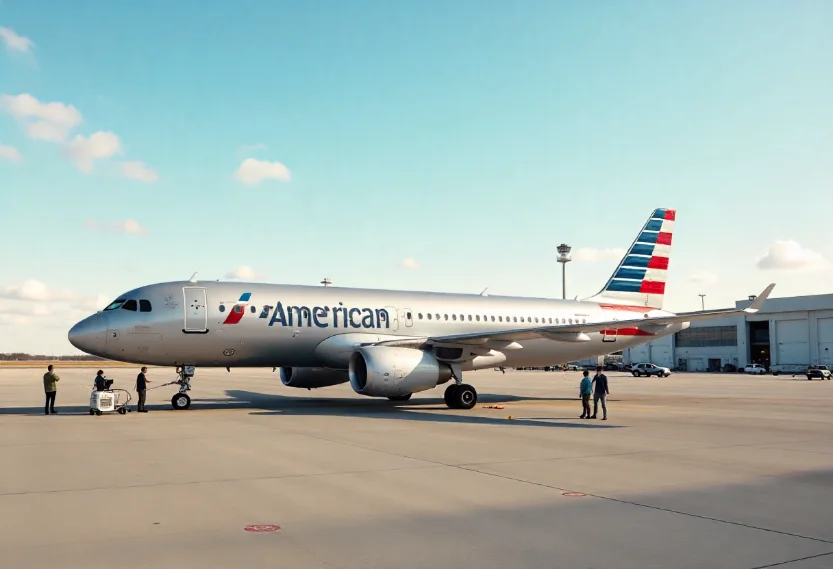
American Airlines has marked a major milestone in its fleet modernization strategy by taking delivery of its first Airbus A321XLR. This development, however, comes amid persistent supply chain disruptions that have delayed the aircraft’s entry into commercial service. Despite the hurdles, the addition of the A321XLR — a long-range, fuel-efficient narrowbody jet — is poised to reshape American Airlines’ transatlantic operations and strengthen its competitive position in the evolving aviation landscape.
A Landmark Delivery with Unfinished Business
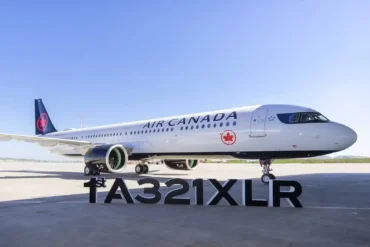
The first A321XLR for American Airlines, registered as N300NY, completed its test program at Airbus’ Hamburg-Finkenwerder facility earlier in 2025. Initially expected to enter service shortly after certification, the jet now faces grounding in Europe due to a shortage of premium seating components, a problem stemming from global supply chain bottlenecks. This delay not only affects American Airlines but also mirrors the challenges faced by other carriers awaiting their A321XLR deliveries.
According to internal sources, American Airlines’ strategic plan for the A321XLR involves deploying the aircraft on premium transcontinental and transatlantic routes, offering an efficient alternative to larger widebody jets while enhancing passenger comfort. However, until the seating shortages are resolved, the jet will remain out of service, forcing the airline to adjust its short-term operational strategies.
Supply Chain Disruptions: The Invisible Adversary
The aviation sector has been heavily impacted by global supply chain crises affecting everything from engines to cabin interiors. For the A321XLR, seat manufacturing delays have become a significant obstacle, leading to cascading disruptions in airline scheduling and network planning.
This situation is not unique to American Airlines. United Airlines has reported that its first A321XLR delivery will be pushed to mid-2026, a full year later than initially planned. Similarly, JetBlue Airways, which ordered 13 of these aircraft, now faces uncertainty over when it will take delivery of its first jet. These delays have raised questions about the resilience of Airbus’ production lines and the broader readiness of aviation suppliers to meet rising post-pandemic demand.
Why the A321XLR Matters
The Airbus A321XLR is considered one of the most game-changing narrowbody aircraft in modern aviation. With a range of up to 4,700 nautical miles, it allows airlines to connect secondary cities in the United States directly with European destinations — routes that were previously economically unviable with larger aircraft.
For American Airlines, which ordered 50 A321XLRs in 2019, this aircraft represents a key pillar of its long-term growth strategy. It will replace aging aircraft while opening new, thin long-haul routes that capitalize on its improved fuel efficiency and range. The aircraft is expected to feature a three-class cabin layout, seating 155 passengers, including 20 in business class, 12 in premium economy, and 123 in economy — designed to enhance passenger comfort while optimizing operating costs.
Strategic Alliances and Network Expansion
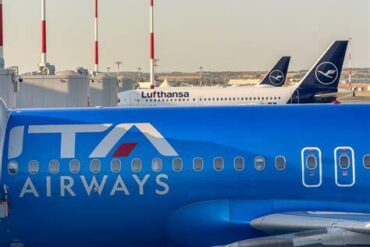
Alongside its new fleet acquisition, American Airlines is expanding its global partnerships, now aligning with Wizz Air, Lufthansa, Air France, and ITA Airways. These strategic collaborations aim to increase connectivity and provide seamless travel options across Europe and beyond. By integrating these alliances with the new capabilities offered by the A321XLR, American Airlines can pursue a more dynamic transatlantic strategy, tapping into previously underserved markets and improving its competitive positioning against European and Gulf carriers.
The Domino Effect of Delays
Supply chain setbacks have far-reaching operational consequences. Airlines are forced to reconsider fleet deployment strategies, adjust route plans, and in some cases, delay or cancel new services. For American Airlines, the postponed entry of the A321XLR means holding back on key transatlantic expansions. The airline must also navigate cost implications tied to keeping older aircraft in service longer than planned, which could impact efficiency and profitability.
Industry analysts note that the ripple effect extends beyond American Airlines. Frontier Airlines, for instance, canceled its A321XLR orders in 2024 due to concerns over costs and production challenges, opting instead for the A321neo variant. This underscores how persistent supply chain turbulence is reshaping fleet strategies across the sector, prompting airlines to reassess their long-term commitments.
The Competitive Edge: What the A321XLR Brings
Despite these challenges, the A321XLR remains a transformative asset. Its single-aisle design combined with widebody-like range creates a unique opportunity for airlines to increase connectivity between smaller cities and international hubs without incurring the higher costs associated with widebody aircraft. For passengers, this translates to more direct flights, fewer layovers, and improved cabin experiences on routes that were once the domain of less comfortable narrowbody planes.
American Airlines sees the A321XLR as a cornerstone of its premium travel offerings, particularly for business travelers on transcontinental and transatlantic routes. With enhanced business class seating and next-generation cabin interiors, the aircraft promises to redefine the passenger experience on medium- to long-haul flights.
Looking Ahead: The Road to Recovery
The delays plaguing the A321XLR program highlight the ongoing tension between cutting-edge aviation innovation and the fragile global supply chain ecosystem. However, industry experts remain optimistic that these disruptions are temporary. Once operational, the A321XLR will allow American Airlines to expand its transatlantic footprint, increase route profitability, and modernize its fleet for a more sustainable future.
Moreover, the partnerships with Lufthansa, Air France, ITA Airways, and Wizz Air amplify this strategy, granting American Airlines access to new codeshare opportunities and shared resources that will help mitigate some of the operational constraints posed by the delays.
Conclusion: Delayed But Unstoppable
The delivery of the first A321XLR may not have gone exactly according to plan, but its long-term implications for American Airlines are profound. Despite the temporary setbacks, this state-of-the-art aircraft will soon enable the airline to serve previously unreachable markets, improve operational efficiency, and provide an upgraded travel experience for its customers.
As American Airlines navigates these challenges, it remains focused on leveraging fleet modernization and strategic alliances to maintain its competitive edge in an increasingly complex global aviation market. The A321XLR, once fully deployed, is set to reshape narrowbody long-haul travel and cement American Airlines’ position as a leader in transatlantic connectivity.