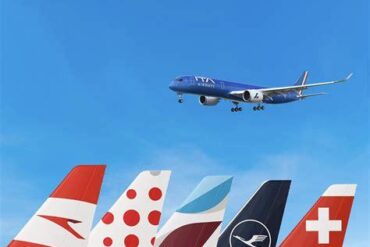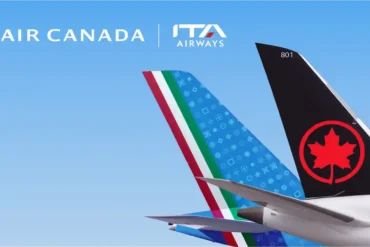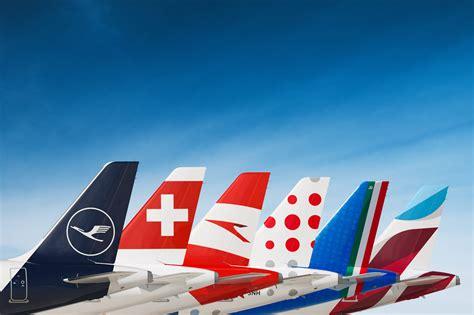
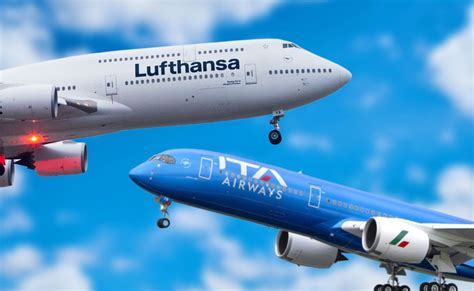
The Lufthansa Group has taken a major leap toward fully integrating ITA Airways into its global network by expanding their codeshare agreement, set to go live on July 1, 2025. This development reshapes how passengers navigate intercontinental travel, offering more streamlined, multi-airline itineraries under a single booking. The move deepens cooperation across Lufthansa, SWISS, Austrian Airlines, Brussels Airlines, and ITA Airways, bringing unprecedented convenience and global connectivity.
A New Era of Unified Long-Haul Travel Begins
Gone are the days of fragmented bookings and disjointed travel plans. With the enhanced codeshare agreement, passengers can now combine multiple airline segments—domestic, European, and long-haul—into a single reservation. This integration unlocks flexible routing, minimizes layover inefficiencies, and drastically reduces the risk of missed connections.
Travelers will be able to link destinations such as Rome to Singapore, or Milan to Buenos Aires, seamlessly transitioning through major hubs like Frankfurt, Zurich, Vienna, and Brussels. The backend infrastructure—unified under Lufthansa Group’s ecosystem—ensures smooth baggage transfers, consistent customer service protocols, and consolidated check-in processes, regardless of the carrier involved.
The ITA Airways Integration: Strategic, Swift, and Substantial
This enhanced partnership is not just a practical upgrade for travelers; it’s a strategic milestone in ITA Airways’ transformation. After formally joining the Lufthansa Group in early 2025, ITA has rapidly evolved from Italy’s fledgling national carrier to a central component of Europe’s most powerful airline alliance. The codeshare expansion is both a symbol and a tool of this integration, enabling ITA to immediately leverage the reach and reliability of Lufthansa’s network.
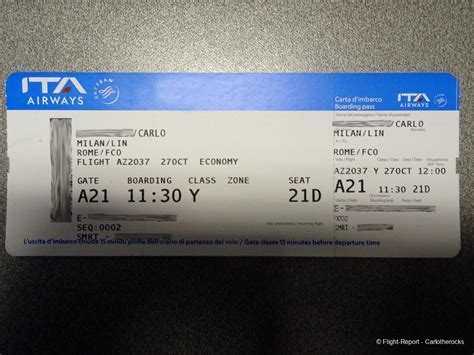
Under the agreement, ITA Airways will now connect its growing list of intercontinental routes—including to North America, Asia, and Latin America—to the well-oiled transit systems of Lufthansa Group hubs. This means passengers from Italian cities like Florence, Venice, and Naples can connect to distant continents with fewer steps, and under one digital roof.
Enhanced Value for Passengers: Loyalty, Comfort, and Simplicity
Perhaps the most tangible impact will be felt by passengers who demand efficiency and comfort from their travel experience. Under the new arrangement, they gain:
- Single-itinerary bookings across all five airlines
- Priority check-in and boarding on shared elite programs
- Cross-carrier mileage earning and redemption across loyalty schemes
- Access to Star Alliance lounges, even when combining different operators
These perks are especially valuable for frequent flyers and business travelers, who will appreciate the streamlined booking, tracking, and customer service interfaces. Even for leisure travelers, the idea of one-click access to multiple flights across Europe and beyond is a game-changer.
The Backbone: Lufthansa Group’s Network Strength
The Lufthansa Group’s multi-brand strategy continues to prove its robustness in delivering customer-first solutions. With over 200 global destinations, and presence in key gateways including New York, Bangkok, Johannesburg, São Paulo, and Tokyo, the group creates a web of transit options that few other aviation conglomerates can match. By embedding ITA Airways into this ecosystem, Lufthansa solidifies its dominance in Europe’s south-central corridor, turning Rome Fiumicino Airport into a vital southern hub.
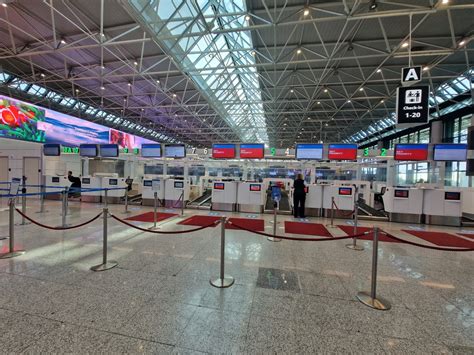
This move also addresses long-standing inefficiencies in southern European connectivity. Lufthansa’s central and northern European carriers have traditionally lacked deep access to Italian origin/destination markets. With ITA fully integrated, passengers flying out of Italy are no longer constrained by fragmented options or limited direct flights.
ITA Airways and Star Alliance: Expanding the Global Reach
Since ITA Airways joined the Star Alliance in tandem with its Lufthansa integration, passengers now enjoy a more coherent global experience. The Star Alliance membership grants over 1,000 airport lounges, streamlined connections, and shared elite benefits across dozens of member airlines.
This alliance opens up enormous network extensions for ITA. Italian passengers can now reach secondary cities in Asia, remote regions in Africa, and tertiary U.S. airports via intra-alliance connections with carriers such as Singapore Airlines, United, Air Canada, ANA, and Thai Airways—all under one umbrella.
Behind the Scenes: Operational and Digital Synergies
Operationally, this expansion is supported by a massive alignment of reservation systems, interline agreements, and baggage handling technologies. Lufthansa Group has spent years perfecting its internal synergy model, enabling carriers to share data seamlessly while maintaining brand identities.
Passengers will begin to see more synchronized digital tools, including integrated mobile apps, real-time baggage tracking, and multi-airline rebooking options. The result is a consistent customer experience, even when flying different airline brands on a single journey.
The Broader Strategy: Competing on a Global Stage
In an increasingly competitive long-haul aviation market—especially post-pandemic—group alliances and streamlined operations are proving more vital than ever. Lufthansa’s acquisition and swift integration of ITA Airways is not just an airline deal—it’s a defensive move against emerging airline conglomerates in the Middle East and Asia.
Competitors like Emirates, Qatar Airways, and Turkish Airlines have capitalized on seamless intercontinental transit models. With this move, Lufthansa Group not only defends its turf but amplifies its value proposition to global travelers. Rome becomes a staging point for routes that would previously bypass the Italian market altogether.
What This Means for Italy’s Aviation Future
For Italy, this partnership secures the future of its national airline under a trusted, well-capitalized group. ITA Airways gains not just financial backing, but also access to fleet renewal strategies, staff training infrastructure, and a shared procurement model that lowers costs.
The Italian government’s backing of this merger, followed by the rapid implementation of strategic codeshare enhancements, demonstrates a clear policy shift toward ensuring that Italy remains well-connected on the global stage. Moreover, it positions Rome Fiumicino as a gateway not only for Italian travelers, but for the broader Mediterranean basin.
Looking Ahead: More Expansion and Digital Innovation
As the integration continues, Lufthansa Group has signaled that further developments are coming. Analysts anticipate:
- Deeper loyalty program convergence across carriers
- New long-haul routes launched directly from Rome
- Enhanced corporate travel solutions using Lufthansa’s business platforms
- Greater sustainability alignment, including shared SAF (Sustainable Aviation Fuel) sourcing
With ITA Airways in its portfolio, Lufthansa is building a pan-European aviation powerhouse, capable of taking on rivals on every front—network scale, digital innovation, sustainability, and customer loyalty.
Conclusion: Seamless Travel, Strategic Growth
The expansion of the codeshare agreement between Lufthansa and ITA Airways is not just a convenience upgrade—it’s a tectonic shift in how European travelers navigate long-haul journeys. It reflects deep strategic intent, underpinned by technology, alliance power, and operational excellence.
Passengers are the biggest winners, gaining a more cohesive, flexible, and premium travel experience. As borders blur and travel expectations evolve, Lufthansa and ITA Airways have taken a significant step to redefine what seamless global travel means in the modern era.