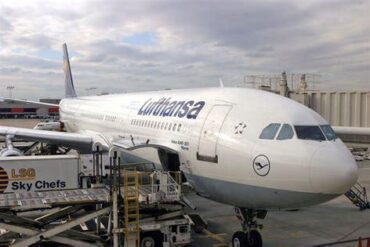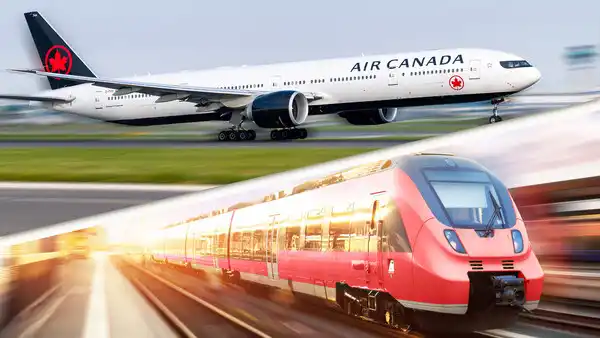
Germany is setting a new standard in intermodal travel through a groundbreaking expansion of Air Canada’s codeshare agreement with Lufthansa, now encompassing the Lufthansa Express Rail service operated by Deutsche Bahn at Frankfurt Airport. This bold initiative is reshaping the international travel landscape by offering seamless flight-to-rail connections to up to 24 destinations across Germany, making it easier than ever for global passengers to traverse the country with precision, speed, and unmatched convenience.
The codeshare development reinforces Germany’s strategic ambition to position Frankfurt as a central European intermodal transportation hub, seamlessly connecting the skies and rails. Air Canada’s expanded commitment to integrated travel systems demonstrates the airline’s forward-thinking approach and strengthens its international network, offering travelers a consolidated itinerary with guarantees for both legs of their journey.
A Leap Forward in Integrated Air and Rail Travel
The new agreement allows passengers to book both flight and rail segments on a single Air Canada ticket, streamlining not just the booking process but the entire travel experience. Whether arriving from Toronto, Vancouver, or Montreal, travelers landing in Frankfurt can swiftly transition to a high-speed Deutsche Bahn train headed to cities like Cologne, Stuttgart, Nuremberg, or Leipzig, all without the stress of juggling multiple reservations.
Air Canada currently operates up to five daily flights to Frankfurt, enabling robust transatlantic connectivity. These flights now act as seamless entry points into Germany’s highly efficient rail system, giving international travelers access to a far-reaching transportation grid. The codeshare makes connecting as easy as checking in once and having guaranteed assistance in the event of delays or disruptions, thanks to the built-in transfer guarantee.
Mark Galardo, Executive Vice President and Chief Commercial Officer at Air Canada, emphasized the significance of this advancement: “By elevating our partnership with Lufthansa to include codeshare on Lufthansa Express Rail, we are not just improving the booking experience—we are reimagining how travel works for our customers in Europe.”
Frankfurt: Europe’s Gateway for Intermodal Travel
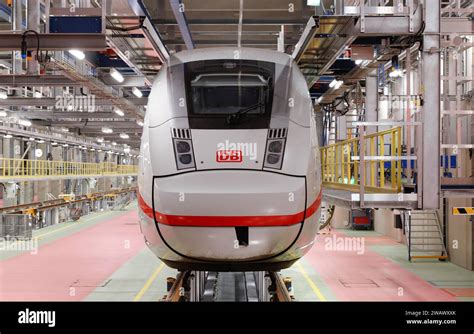
Frankfurt Airport is no stranger to connectivity—it is one of the busiest and best-connected airports in Europe. But this initiative turns it into a true multimodal hub, where passengers can effortlessly switch between air and land transit. The inclusion of Lufthansa Express Rail, operated by the efficient and punctual Deutsche Bahn, ensures that the onward journey from Frankfurt continues with German precision.
With Air Canada as a Star Alliance member and Lufthansa as a founding member of the same alliance, the integration makes full use of the alliance’s intermodal strengths, offering passengers a premium travel experience from door to destination.
The Intermodal Vision Goes Global
The Lufthansa Express Rail codeshare is only one piece of a much larger puzzle. Air Canada’s intermodal strategy spans eight countries, with partnerships involving:
- TGV-SNCF in France
- Trenitalia in Italy
- Renfe in Spain
- Swiss Federal Railways (SBB) in Switzerland
- KORAIL’s KTX in South Korea
- Avanti West Coast, LNER, Great Western Railway, and National Express in the United Kingdom
These partnerships are facilitated through AccesRail and WorldTicket, digital platforms that allow for unified booking experiences and real-time itinerary management. The Air Canada website and travel agencies worldwide now offer dynamic itineraries that reflect these intermodal linkages, making planning a multi-country European or Asian journey significantly easier.
Travel Experience Elevated: A Customer-Centric Shift
The integration of train and flight into a single journey is more than just logistical streamlining—it’s a transformation in customer experience. Travelers booking through Air Canada benefit from:
- One-stop booking: Flight and train tickets issued under one Air Canada reservation number.
- Seamless baggage handling: Checked baggage is transferred through the system automatically.
- Guaranteed transfers: In case of delays, passengers are rebooked and supported by Air Canada and Lufthansa customer service.
- More city destinations: Travelers now gain access to 24 rail destinations across Germany beyond Frankfurt.
Passengers arriving in Frankfurt and traveling onward by train will find clearly marked Lufthansa Express Rail counters at the terminal, where they can easily validate rail tickets and check train schedules. The transition from gate to platform is smooth, efficient, and integrated into the airport’s passenger flow.
A Sustainable Shift in Long-Haul Connectivity
Germany’s emphasis on combining rail and air is not only about convenience—it’s about sustainable transportation. With increasing pressure to decarbonize long-haul travel, intermodal solutions like this one offer a lower-emission alternative to connecting flights. High-speed rail in Germany is electrically powered and often operates on renewable energy, making it a viable solution for regional transport after intercontinental air travel.
For business and leisure travelers alike, this agreement provides an eco-conscious yet premium-level travel option. It reduces congestion at major airports, limits the carbon footprint of short-haul connections, and supports Germany’s national sustainability goals.

Industry Implications: Setting a Global Benchmark
This collaboration between Air Canada and Lufthansa isn’t just about two airlines—it signals a larger trend in the global travel industry. Airlines and rail operators are increasingly recognizing the power of joint ventures to offer better, faster, and more environmentally friendly travel solutions.
Europe, with its extensive and efficient rail infrastructure, is a natural testing ground for such innovations. However, with Air Canada’s similar intermodal links to South Korea and aspirations to broaden to additional Asian and Latin American markets, it’s clear that this is not a regional trend but the beginning of a global shift.
As other major airline alliances observe the success of such integrated systems, we may soon see a wider embrace of rail-air connectivity. The business case is compelling: better customer experience, reduced operational stress on hub airports, and a contribution toward environmental sustainability targets.
Booking Simplicity and Consumer Access
For travelers, this progress translates to an unprecedented level of travel simplicity. Booking a trip from Vancouver to Nuremberg, or from Toronto to Stuttgart, now happens on one platform, in one step, with one support system backing every mile of the journey. Whether you’re a travel agent planning a multi-destination itinerary or a solo traveler exploring Europe, the ability to manage rail and flight segments under a single ticket is a game-changer.
Air Canada’s website has been updated to reflect these intermodal offerings, complete with dynamic rail schedules, station maps, and fare details. Meanwhile, travelers are provided with live updates and platform information via mobile apps and digital itineraries, ensuring they are well-informed and always on time.
The Road Ahead: Futureproofing Global Travel
Air Canada’s expansion of its codeshare agreement with Lufthansa marks a critical step toward the future of international mobility. Frankfurt is no longer just a stopover—it is a launchpad into the heart of Europe. And as the world looks toward smarter, greener, and more efficient ways to move people across continents, this intermodal partnership offers a blueprint for others to follow.
In a time when travel is often synonymous with stress, this model introduces fluidity, dependability, and choice. Air Canada’s ongoing commitment to expanding its intermodal network suggests that this is only the beginning. More destinations, more countries, and more seamless journeys are expected to be part of the airline’s global vision.
As demand for flexible travel continues to rise, the integration of trains and planes isn’t just an option—it’s becoming an expectation. And with Germany leading the charge in infrastructure and execution, Frankfurt stands out as Europe’s definitive intermodal gateway.
The codeshare agreement is a pivotal moment in aviation and railway history, where collaboration and innovation converge to offer passengers a better way to travel—faster, greener, and more connected than ever before.