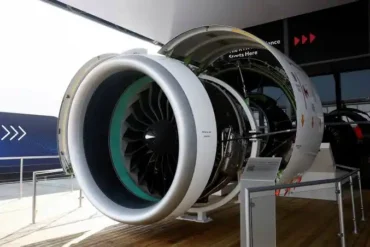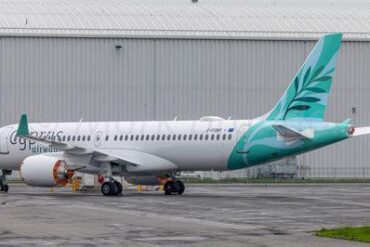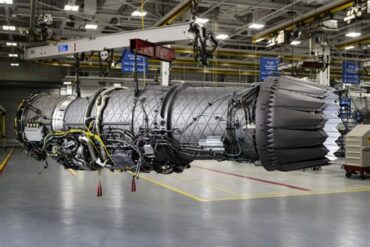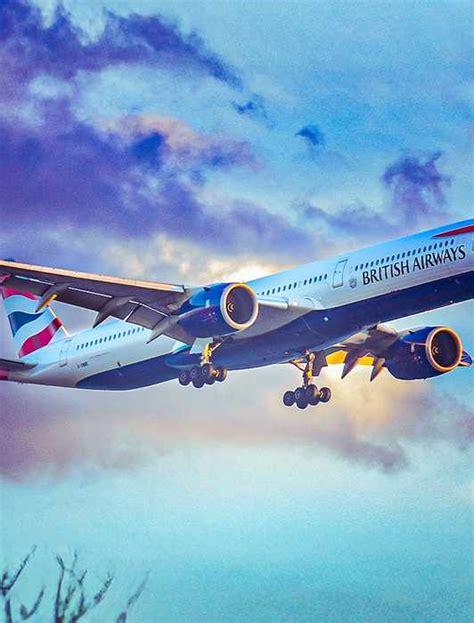
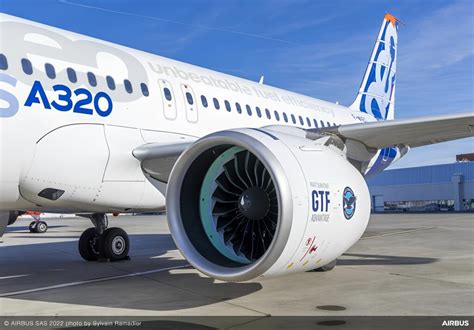
British Airways has made one of the most significant changes to its narrowbody fleet strategy in decades by selecting Pratt & Whitney GTF engines to power up to 63 Airbus A320neo family aircraft. The decision ends the airline’s long-standing reliance on CFM International LEAP engines for its Airbus narrowbody fleet and introduces a new chapter in the carrier’s approach to fleet flexibility, maintenance strategy, and engine supplier relationships.
The agreement, announced at the opening of the 2026 Farnborough International Airshow, includes 33 firm aircraft orders and 30 options. The first aircraft equipped with the Geared Turbofan (GTF) engines are expected to enter British Airways service from 2027, marking the first time the airline’s modern Airbus narrowbody fleet will operate with Pratt & Whitney powerplants.
The move is notable not simply because Pratt & Whitney won a major airline customer, but because British Airways has historically preferred fleet simplicity. Operating a single engine family across similar aircraft types allows airlines to reduce spare parts requirements, streamline engineering training, simplify maintenance planning, and negotiate stronger support agreements. By introducing a second engine manufacturer into its Airbus A320neo family fleet, British Airways is accepting additional operational complexity in exchange for broader strategic benefits.
British Airways Breaks a Decades-Long CFM Engine Tradition
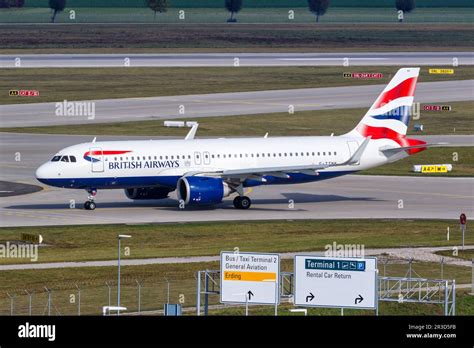
British Airways has long been closely associated with CFM International engines across its narrowbody operations. The airline’s existing fleet of Airbus A320neo and A321neo aircraft is powered exclusively by the CFM LEAP-1A engine, continuing a relationship built around reliability, commonality, and operational efficiency.
The carrier currently operates 34 Airbus A320neos and 20 Airbus A321neos, all powered by LEAP engines. According to Airbus order data, British Airways also has additional A320neo family aircraft on order, making the introduction of Pratt & Whitney engines one of the most important fleet strategy shifts in the airline’s recent history.
For decades, airlines often selected a single engine supplier for an aircraft family to avoid complexity. However, the modern aviation market has changed significantly. Supply chain disruptions, maintenance capacity challenges, and increasing pressure to maximize aircraft availability have forced airlines to reconsider traditional fleet philosophies.
British Airways’ decision reflects this changing environment. Rather than maintaining complete dependence on one engine manufacturer, the airline appears willing to diversify its powerplant portfolio as it prepares for future growth and operational demands.
The decision also highlights the increasingly competitive nature of the Airbus A320neo engine market. Both Pratt & Whitney and CFM have developed highly advanced engines designed to reduce fuel consumption and emissions compared with previous-generation powerplants. As airlines evaluate billions of dollars in future fleet investments, engine selection has become about much more than fuel efficiency alone.
Pratt & Whitney GTF Wins Major Vote of Confidence From British Airways
For Pratt & Whitney, the British Airways agreement represents an important endorsement of the GTF engine program following several challenging years. The company has invested heavily in resolving durability concerns while improving maintenance processes and restoring airline confidence.
Pratt & Whitney President of Commercial Engines Rick Deurloo described the British Airways selection as a significant milestone for the GTF program, emphasizing the engine’s efficiency advantages and its role in supporting the airline’s future fleet expansion plans.
The timing of the order is particularly important because the GTF engine has faced one of the most significant reliability challenges in recent commercial aviation history. Certain engine components manufactured between 2015 and 2021 were affected by issues related to powdered-metal contamination, creating durability concerns that required accelerated inspections and replacement programs.
The issue affected hundreds of Airbus A320neo family aircraft worldwide. Airlines including Wizz Air, Spirit Airlines, Lufthansa, and IndiGo experienced aircraft availability challenges as engines were removed for inspection and repair.
Between 2023 and 2026, approximately 600 to 700 premature engine removals were required as part of the inspection program. Pratt & Whitney’s parent company, RTX Corporation, recorded significant financial charges related to the issue, while airlines received substantial compensation for operational disruption.
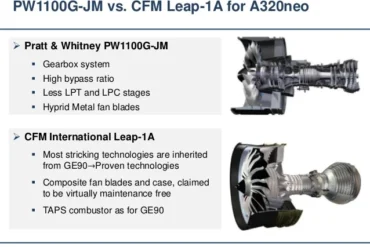
Despite these difficulties, Pratt & Whitney has continued to emphasize the long-term advantages of the GTF design. The manufacturer states that the engine can provide significant fuel savings compared with previous-generation engines while also reducing noise emissions through its geared architecture.
The British Airways agreement suggests that airlines increasingly view the GTF program through a long-term perspective. While past reliability concerns remain part of the engine’s history, manufacturers and operators are focused on improved durability, stronger maintenance networks, and greater fleet availability.
CFM LEAP Remains a Major Part of British Airways’ Future Fleet
Although Pratt & Whitney secured a major customer victory, British Airways’ decision does not represent a complete shift away from CFM. The airline remains a significant LEAP operator, and CFM International continues to supply engines for much of the carrier’s Airbus narrowbody fleet.
CFM stated that British Airways remains a valued customer with more than 100 LEAP engines already in service or on order. The company also highlighted ongoing investments designed to improve LEAP durability, maintenance performance, and lifecycle economics.
The CFM LEAP engine family entered commercial service in 2016 and quickly became one of the most successful narrowbody engines in aviation history. Developed by CFM International, a 50/50 partnership between GE Aerospace and Safran Aircraft Engines, the engine powers Airbus A320neo family aircraft, Boeing 737 MAX aircraft, and the COMAC C919.
CFM has introduced several improvements to enhance long-term performance, including upgrades to the High-Pressure Turbine durability kit and the Reverse Bleed System (RBS). These modifications are designed to improve component life, reduce maintenance requirements, and increase engine availability.
By maintaining its LEAP fleet while adding GTF-powered aircraft, British Airways will become an operator of both major next-generation narrowbody engine families. This approach reflects the broader industry trend toward flexibility rather than exclusive supplier relationships.
Why British Airways Accepted the Complexity of Two Engine Types
Operating two different engines on the same aircraft family creates challenges. British Airways will need separate maintenance procedures, different spare parts inventories, specialized engineering knowledge, and additional support arrangements for its Airbus A320neo fleet.
Historically, airlines have avoided such situations whenever possible. Fleet commonality is one of the most valuable tools available to airline operators because it reduces costs and improves operational efficiency.
However, the modern aviation environment has changed. Airlines are increasingly balancing commonality against other priorities, including delivery schedules, supplier reliability, maintenance availability, and commercial flexibility.
British Airways and its parent company International Airlines Group have not publicly explained the specific reasons behind selecting Pratt & Whitney over additional LEAP-powered aircraft. Neither company has suggested that concerns about CFM performance influenced the decision.
Instead, the selection likely reflects a combination of commercial factors evaluated during a major aircraft acquisition campaign. These factors typically include purchase pricing, engine support agreements, expected fuel efficiency, long-term maintenance costs, delivery timing, and manufacturer commitments.
The airline also gains strategic advantages by reducing dependence on a single engine supplier. In an industry where supply chain disruptions have become increasingly common, having multiple maintenance and support channels can provide additional operational resilience.
The Airbus A320neo Engine Competition Is Entering a New Era
The British Airways Pratt & Whitney GTF decision demonstrates how much the aviation engine market has evolved since the introduction of the Airbus A320neo family.
When airlines first evaluated next-generation narrowbody aircraft, fuel efficiency was the primary selling point. Today, operators are considering a much wider range of factors. Engine durability, aftermarket support, maintenance capacity, and fleet availability have become equally important.
The competition between Pratt & Whitney GTF and CFM LEAP engines is no longer simply about which engine burns less fuel. Both manufacturers offer highly efficient powerplants, and both have invested heavily in improving reliability after early operational challenges.
For Pratt & Whitney, the British Airways agreement represents progress in rebuilding confidence in the GTF program. For CFM, the decision demonstrates that even the industry’s strongest engine partnerships cannot be taken for granted in an increasingly competitive market.
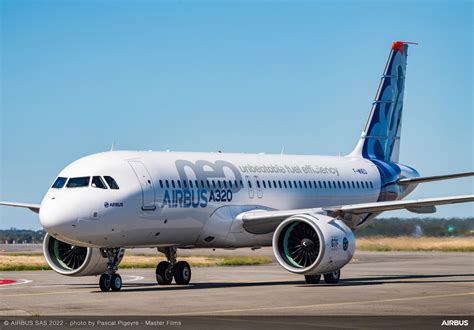
British Airways’ choice should not be viewed as a rejection of CFM technology. Instead, it represents a broader shift in airline fleet management. Major carriers are increasingly willing to accept additional complexity if it provides stronger commercial flexibility and operational advantages.
The introduction of Pratt & Whitney GTF engines into British Airways’ Airbus fleet marks a historic change, but it also reflects a larger transformation happening across commercial aviation. Airlines are no longer choosing engines based solely on tradition or previous relationships. They are evaluating every aspect of ownership, support, and long-term performance.
By selecting Pratt & Whitney for more than 60 Airbus A320neo family aircraft, British Airways has signaled that the future of fleet strategy may be defined not by loyalty to one manufacturer, but by adaptability in a rapidly changing aviation industry.