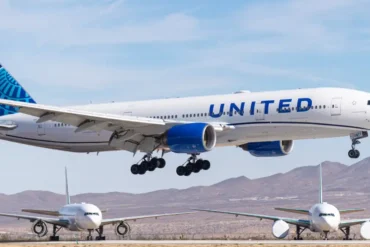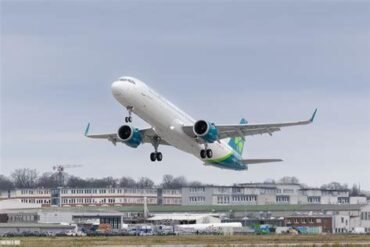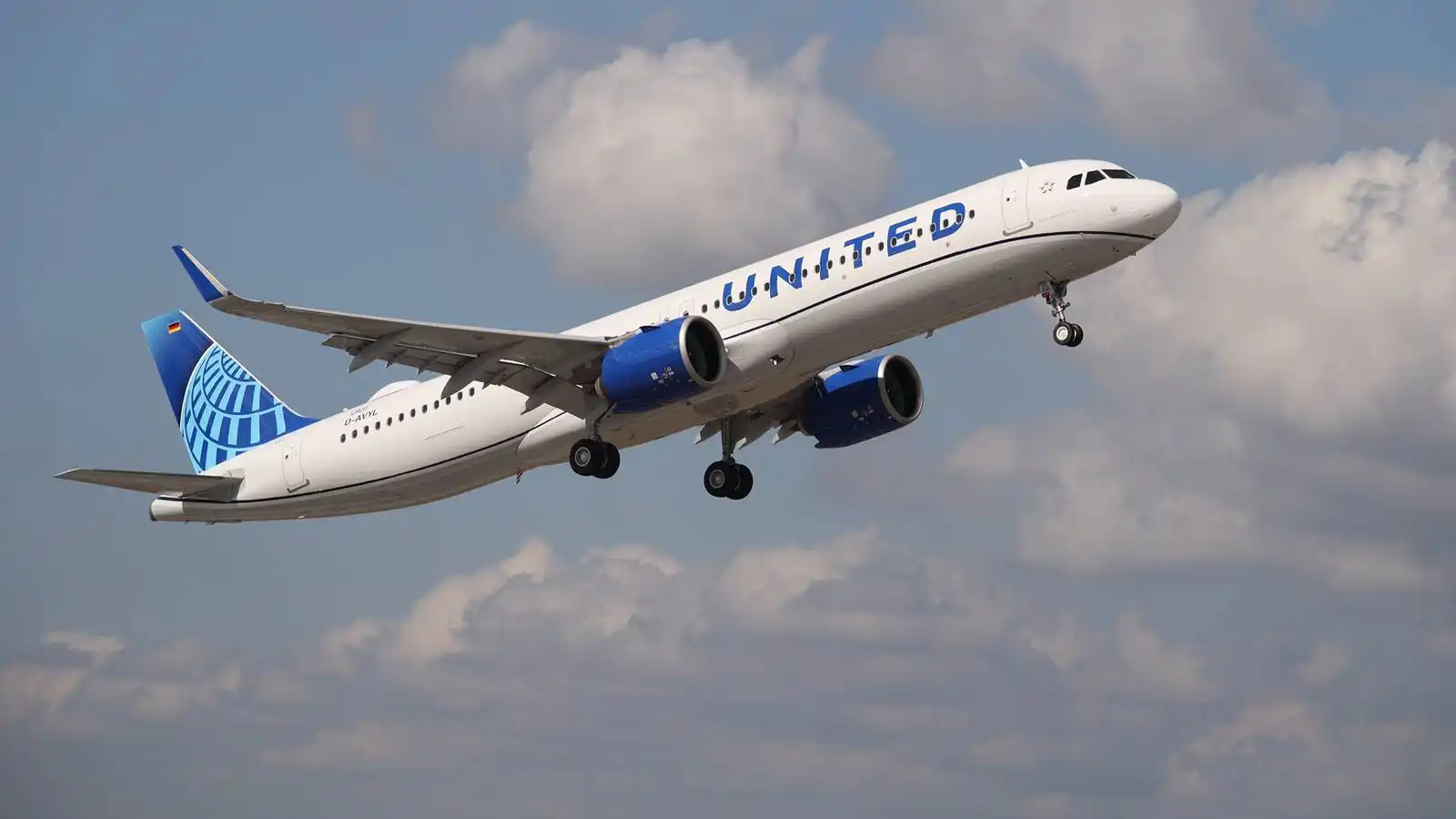
United Airlines has taken delivery of the first Airbus A321XLR powered by Pratt & Whitney’s GTF Advantage engine, marking a significant step in the development of next-generation narrowbody aircraft for long-range airline operations. The delivery also makes United the launch operator for the enhanced engine, bringing together an aircraft designed for extended missions and an engine developed to provide greater thrust, efficiency, and durability.
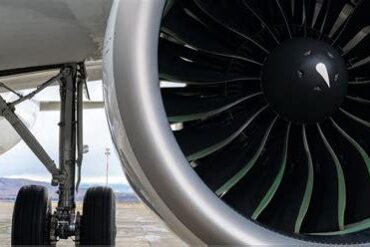
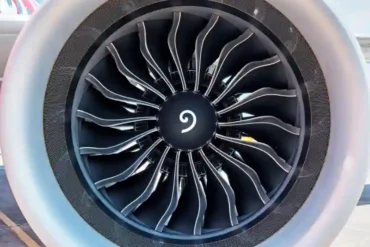
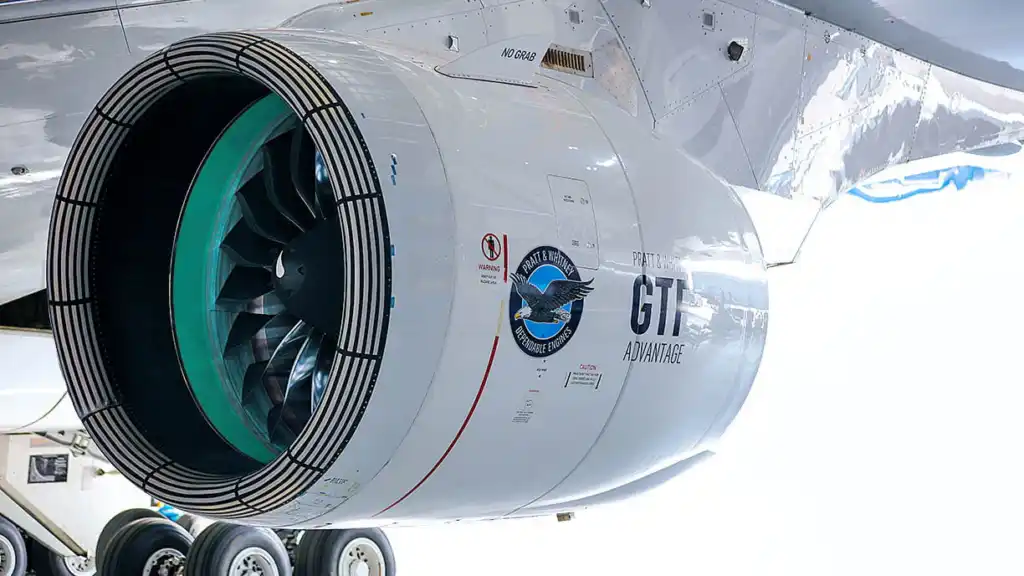
The GTF Advantage represents the latest evolution of Pratt & Whitney’s PW1100G-JM geared turbofan family. According to the manufacturer, the upgraded engine can provide up to 8% more takeoff thrust while offering substantial improvements in durability. One of its most important advantages for airlines is the potential to remain on the aircraft for much longer periods between major maintenance events.
For United, those characteristics are particularly relevant because the airline is building a fleet of Airbus A321XLRs capable of serving international routes that traditionally required larger aircraft. The combination of the XLR’s extended range and the GTF Advantage’s additional thrust creates a platform designed to support long sectors while maintaining the economics of a narrowbody aircraft.
GTF Advantage Brings More Thrust and Longer Time on Wing
Pratt & Whitney says the GTF Advantage can deliver up to twice the time on wing compared with previous-generation GTF configurations under certain operating conditions. The improvement is important because engine durability has a direct effect on airline reliability, maintenance planning, and fleet availability.
The additional takeoff thrust is also significant for the A321XLR. Long-range narrowbody operations can place greater demands on an aircraft during departure, particularly when carrying substantial fuel loads. An increase of as much as 8% in takeoff thrust gives operators additional performance margin and supports the aircraft’s ability to perform longer missions.
The engine’s durability improvements are linked to the GTF Hot Section Advantage upgrade, which enhances components exposed to extremely high temperatures inside the engine. Pratt & Whitney has indicated that customers can realize a large proportion of the durability benefits through the available upgrade configuration.
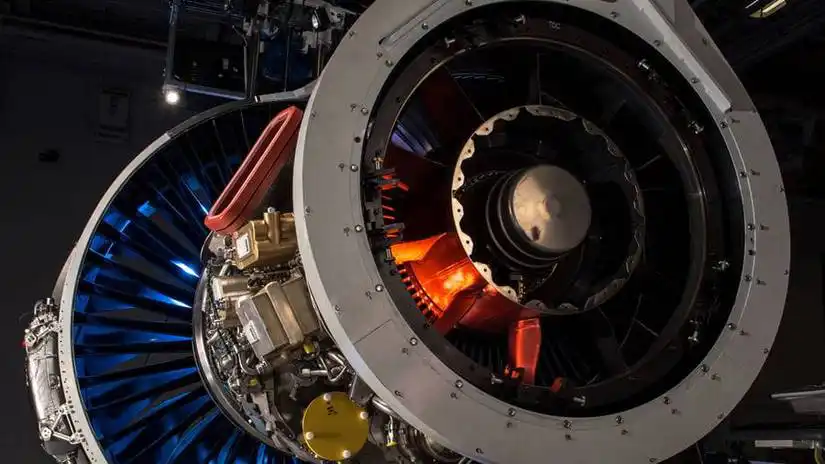
Another important feature is that the GTF Advantage is fully interchangeable and intermixable with existing GTF engines. This means United does not need to operate completely separate engine fleets when adding the newer specification. The flexibility can simplify fleet management while allowing the airline to introduce the latest engine technology progressively.
Pratt & Whitney plans to transition production of the PW1100G-JM to the Advantage specification, although the transition is expected to continue through 2028. This makes United’s delivery an early step in a broader evolution of the engine family.
United A321XLR Opens New Long-Haul Possibilities
United’s relationship with Pratt & Whitney extends back almost a century, and the arrival of the first GTF Advantage-powered aircraft adds another chapter to that history. The airline has increasingly relied on narrowbody aircraft to open international markets that may not generate enough demand for a widebody aircraft.
The A321XLR is particularly well suited to this strategy. United currently has only a small number of A321XLRs in service, with more than 50 aircraft on order, creating substantial room for future network expansion.
United’s aircraft is configured with 150 seats, including 20 Polaris Suites, 12 Premium Plus seats, and 118 economy seats. The aircraft also features Starlink connectivity, giving passengers high-speed internet access on a narrowbody platform designed for substantially longer flights than conventional domestic aircraft.
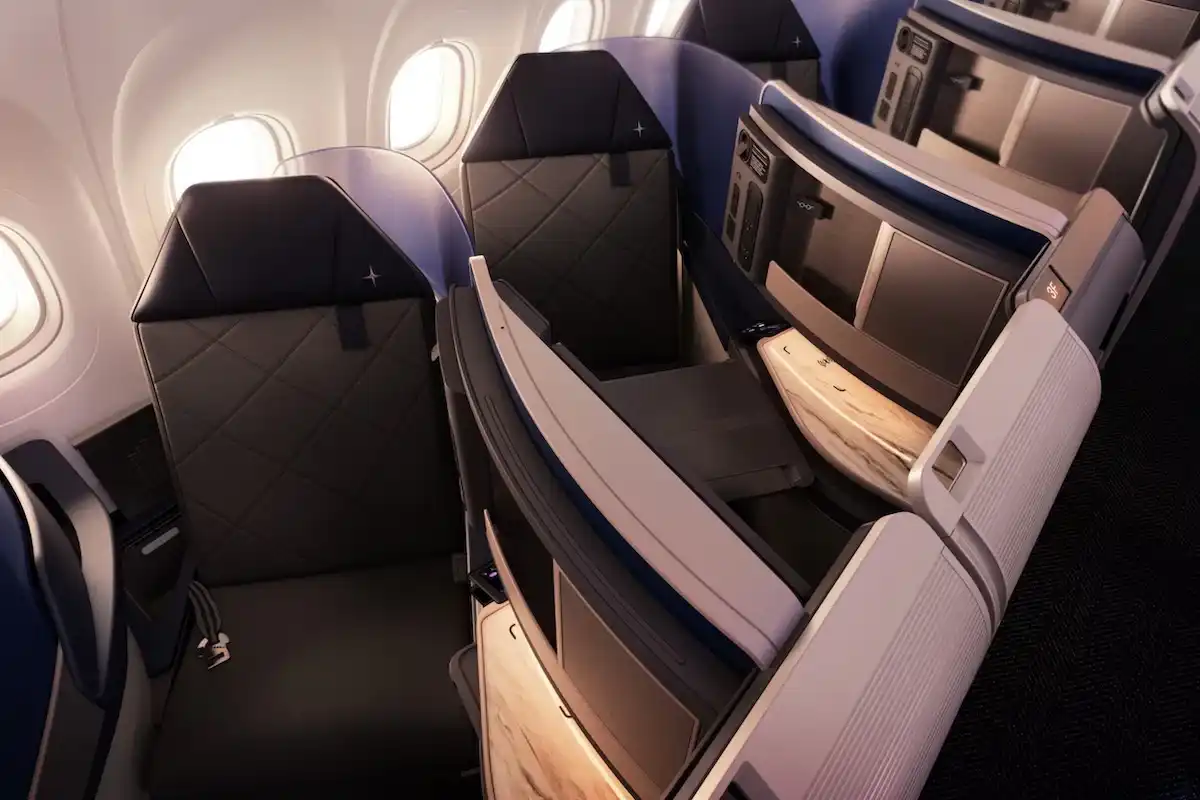
The A321XLR is expected to gradually replace some Boeing 757-200s on routes where a widebody aircraft would provide more capacity than the market requires. That makes the XLR especially valuable on long, thinner routes connecting smaller international markets with United’s major hubs.
United’s First GTF Advantage Routes
The new aircraft is initially being used on domestic services before beginning international operations. Its planned schedule illustrates how United intends to introduce the aircraft gradually while building experience with the new engine and long-range narrowbody platform.
From September 9 through November 30, the aircraft is scheduled to operate between Washington Dulles and San Diego, while Washington Dulles–Los Angeles service begins October 1. International operations are scheduled to begin on December 1, with flights from Washington Dulles to Dublin and Amsterdam.
Future deployments include Newark–Luxembourg beginning April 2 and Washington Dulles–Toulouse from April 26. United also expects the aircraft to appear on routes from Newark to destinations including Ibiza, Valencia, and Marseille during 2027.
A321XLR Becomes a Real-World Test for GTF Advantage
The A321XLR provides Pratt & Whitney with an important operating environment for the GTF Advantage. Unlike conventional narrowbody missions, the XLR can spend many hours in the air and perform sectors approaching 11 hours, exposing the engine to repeated takeoff, cruise, landing, and thermal cycles.
That makes United’s aircraft more than another fleet addition. It provides an early opportunity to demonstrate how the upgraded engine performs under the demanding conditions associated with long-range narrowbody flying.
For United, the objective is equally practical: combine lower fuel consumption, improved engine durability, greater reliability, and long-range capability in an aircraft that can economically serve international markets without the capacity of a widebody.
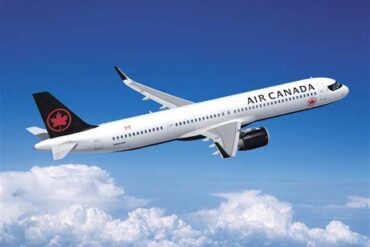
Air Canada is expected to become the second airline to receive GTF Advantage-powered aircraft. As more A321XLRs enter service, the operational experience accumulated by United will provide an important early indication of how the new engine performs across increasingly demanding long-haul missions.