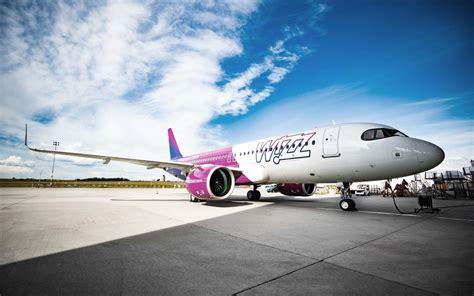
Wizz Air, one of Europe’s fastest-growing ultra-low-cost carriers, has solidified its longstanding partnership with Pratt & Whitney by selecting the company’s PW1100G-JM geared turbofan (GTF) engines to power up to 177 Airbus A321neo aircraft currently on order. The announcement, made public during the Paris Air Show on June 17, 2025, underscores Wizz Air’s continued commitment to fuel-efficient and environmentally conscious aviation technologies.
This latest agreement marks a major step in Wizz Air’s fleet expansion strategy and deepens its exclusive reliance on Pratt & Whitney engines, despite past operational disruptions linked to existing units. The move reaffirms the airline’s strategic vision of building a 500-aircraft fleet within the next decade, with Pratt & Whitney at the technological core of that ambition.
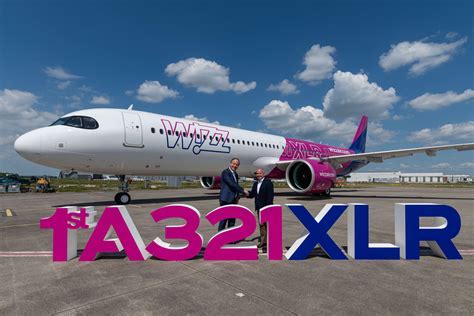
A Strategic Partnership Cemented Amid Industry Tensions
The deal was formalized by Wizz Air CEO József Váradi and Pratt & Whitney Commercial Engines President Rick Deurloo, both of whom emphasized the significance of their long-term collaboration. While CFM International had been a strong contender for the contract, the final selection tipped in favor of Pratt & Whitney, largely due to its proven track record with the airline and the GTF engine’s superior fuel efficiency metrics.
This decision comes at a critical juncture. Wizz Air has faced substantial groundings across its fleet due to unexpected maintenance issues involving earlier Pratt & Whitney engines. Nonetheless, the Budapest-based airline has chosen to double down on the manufacturer, reflecting a strategic calculation that short-term reliability setbacks are outweighed by the long-term operational and environmental benefits of the GTF platform.
The Numbers Behind the Commitment: 453 GTF-Powered Aircraft
This new engine order boosts Wizz Air’s total commitment to 453 Airbus A320neo family aircraft powered by Pratt & Whitney GTF engines, making the carrier one of the largest GTF customers globally. The latest tranche of 177 engines will be integrated into Wizz Air’s order book, which already includes 276 aircraft previously committed in 2016 and 2020, covering A320neo, A321neo, and A321XLR variants.
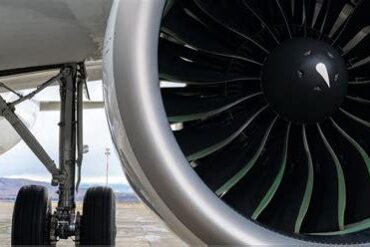
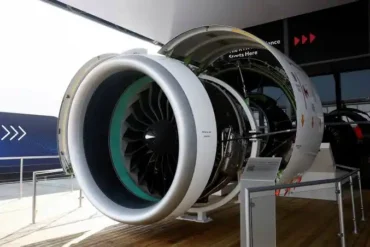
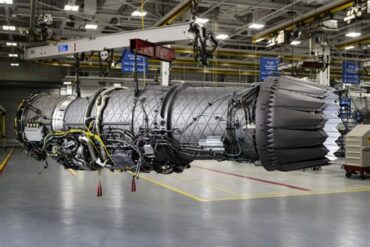
Pratt & Whitney’s PW1100G-JM engine, the powerplant selected for the A321neo family, is part of the Geared Turbofan engine line that has been touted for its revolutionary reduction in fuel consumption, noise footprint, and carbon emissions.
Technological Superiority and Environmental Strategy
At the heart of Wizz Air’s continued loyalty lies a focus on fleet-wide sustainability and efficiency. The GTF engine provides a 16% reduction in fuel consumption compared to previous generation engines, along with a 75% decrease in noise footprint and up to 50% fewer regulated emissions. These metrics align tightly with Wizz Air’s ultra-low-cost model, where operational efficiency translates directly into a more competitive fare structure and stronger margins.
“GTF engine technology delivers the most economical solution, providing unmatched fuel efficiency while enabling quieter and less emitting flights for our passengers, and a lower cost base for the airline,” said Váradi.
Fleet Composition: Current and Future Outlook
As of mid-2025, Wizz Air’s fleet includes 163 Airbus A320neo family aircraft powered by GTF engines, and an additional 73 Airbus A320ceo aircraft powered by IAE V2500 engines, also linked to Pratt & Whitney through its joint venture with MTU and Japanese Aero Engines Corporation.
With the projected addition of the new A321neos, the airline aims to maintain one of the youngest and most fuel-efficient fleets in Europe. These aircraft will be phased into operation gradually as deliveries ramp up through the latter half of the decade, aiding Wizz Air in meeting its ambitious goal of reaching a 500-strong fleet.
A Vote of Confidence Amid Technical Setbacks
Although the GTF engine family has faced scrutiny for maintenance shortfalls and parts durability issues, particularly related to the turbine disk coatings, Wizz Air’s renewed trust in the platform suggests confidence in Pratt & Whitney’s remediation strategy. The manufacturer has been implementing technical updates, improving aftermarket support, and adjusting supply chains to address previous shortfalls.
According to Deurloo, “Today marks another important milestone in our long-standing relationship with Wizz Air and is a vote of confidence in the GTF engine. Pratt & Whitney has been exclusively powering the airline’s growth since 2003, and our GTF engines will continue to deliver the lowest fuel consumption available.”
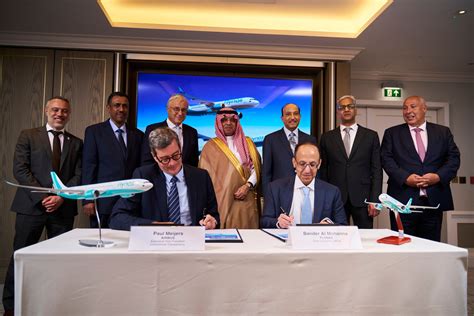
Wizz Air’s Long-Term Growth Strategy in Focus
The engine deal is not just a procurement decision—it is a critical enabler of Wizz Air’s pan-European expansion strategy. Known for pioneering low-cost air travel across Central and Eastern Europe, Wizz Air has also made aggressive moves into Western Europe and the Middle East, including the launch of Wizz Air Abu Dhabi.
Expanding capacity through new-generation, fuel-efficient aircraft allows Wizz Air to tap into new route structures, underserved secondary airports, and cost-sensitive leisure markets. By leveraging high-density A321neo configurations equipped with lighter, more efficient engines, Wizz Air achieves greater seat-kilometer output while maintaining an extremely lean cost structure.
Environmental Commitments and ESG Alignment
As environmental scrutiny intensifies across the aviation industry, especially in Europe, Wizz Air’s strategic decisions are increasingly shaped by ESG (Environmental, Social, and Governance) metrics. The selection of GTF engines not only fulfills regulatory compliance but also reinforces the airline’s own goals for net-zero emissions by 2050.
The airline’s investments in fuel-efficient engines, carbon offset programs, and sustainable operational practices serve both as market differentiators and as responses to rising carbon costs within the EU Emissions Trading System (ETS).

Broader Market Implications for Pratt & Whitney
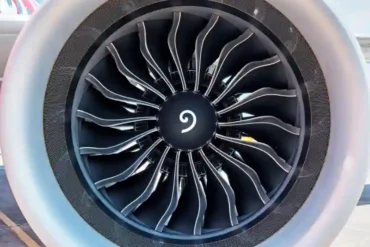
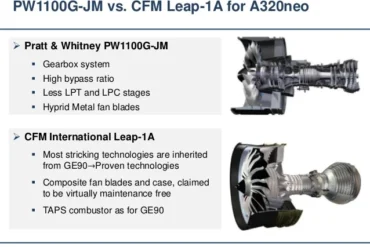
For Pratt & Whitney, securing this agreement reinforces its dominance in the narrowbody engine market, where competition with CFM International remains fierce. While CFM’s LEAP-1A engine also powers A320neo family aircraft and has a strong foothold among many carriers, Pratt & Whitney’s continued wins with airlines like Wizz Air, JetBlue, and Lufthansa signal a robust defense of market share.
This deal also provides critical volume for the GTF production line, which is undergoing capacity adjustments to meet backlog requirements while resolving earlier quality issues. In securing Wizz Air’s long-term loyalty, Pratt & Whitney gains a steady stream of engine orders, maintenance business, and aftermarket support revenue.
Conclusion: A Risk-Tolerant Yet Visionary Bet on Next-Gen Efficiency
The Wizz Air–Pratt & Whitney agreement inked at the Paris Air Show 2025 represents a high-stakes commitment rooted in strategic vision, not just technological affinity. Despite operational hurdles, Wizz Air has chosen to align its fleet future with the GTF engine family, betting on its long-term advantages in cost-efficiency, emissions reduction, and route flexibility.
In the context of rising fuel prices, mounting regulatory pressures, and a highly competitive ultra-low-cost landscape, this decision could prove pivotal in enabling Wizz Air to expand while preserving its market-leading cost base. As both companies navigate the next decade, this agreement will likely be remembered not just as a commercial transaction, but as a declaration of shared ambition and technological resilience.