Frontier Airlines has made a strategic leap in fleet modernization by selecting Pratt & Whitney’s advanced GTF engines to power 91 new Airbus A321neo aircraft. This milestone decision, announced at the 2025 Paris Air Show, is not only a reaffirmation of the airline’s commitment to fuel efficiency and sustainability but also a strengthening of its long-standing relationship with the Connecticut-based engine manufacturer.
The order significantly bolsters Frontier’s future fleet plans, with deliveries scheduled to begin in Q4 of 2026. Once fulfilled, this deal will bring Frontier’s total count of GTF-powered aircraft to 235, making it one of the largest GTF operators in the world.
Deepening a Legacy Partnership
Frontier’s relationship with Pratt & Whitney traces back to its very first days. The airline began operations in 1994 using Boeing 737-200s fitted with JT8D engines, and the current move to expand its GTF engine base represents a technological evolution built on decades of collaboration. The 2025 deal includes a long-term EngineWise Comprehensive service agreement, ensuring that Frontier will receive end-to-end maintenance and optimization support for its fleet.
Rick Deurloo, President of Commercial Engines at Pratt & Whitney, emphasized this trust-based evolution, stating, “Four years ago, we welcomed Frontier Airlines to the Pratt & Whitney GTF family, and this selection demonstrates the airline’s confidence in the GTF engine. With this latest order, Frontier will continue to realize the benefits of the most fuel-efficient engine for single-aisle aircraft.”
A Fleet Fueled by Efficiency
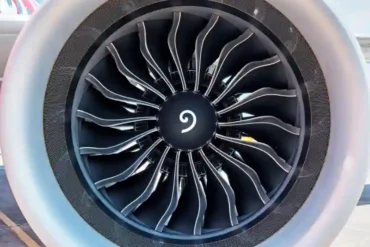
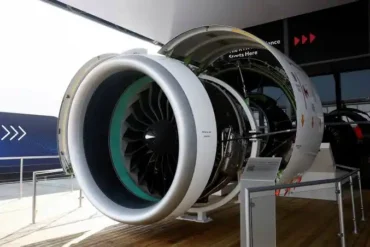
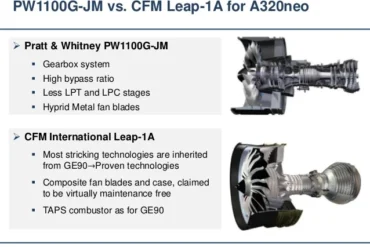
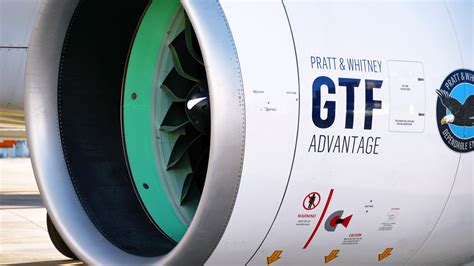
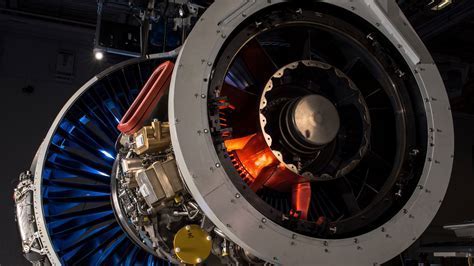
The PW1000G series, better known as the Geared Turbofan (GTF), is a revolutionary family of engines that brings substantial fuel burn, noise, and emissions reductions. These engines, designed by Pratt & Whitney, utilize a gear system that decouples the fan from the low-pressure compressor and turbine, enabling each module to operate at optimal speeds.
For single-aisle aircraft like the A320neo family, this means up to 16% lower fuel consumption, 75% reduction in noise footprint, and up to 50% decrease in NOx emissions compared to previous-generation engines. These improvements translate to millions in savings for airlines over the life of the engine and position GTF technology as the backbone of next-gen sustainable aviation.
Frontier’s Expanding Airbus A320neo Family
Currently, Frontier operates a fleet of 135 A320neo family aircraft, comprising:
- 82 A320-200Ns (all powered by CFM International LEAP engines)
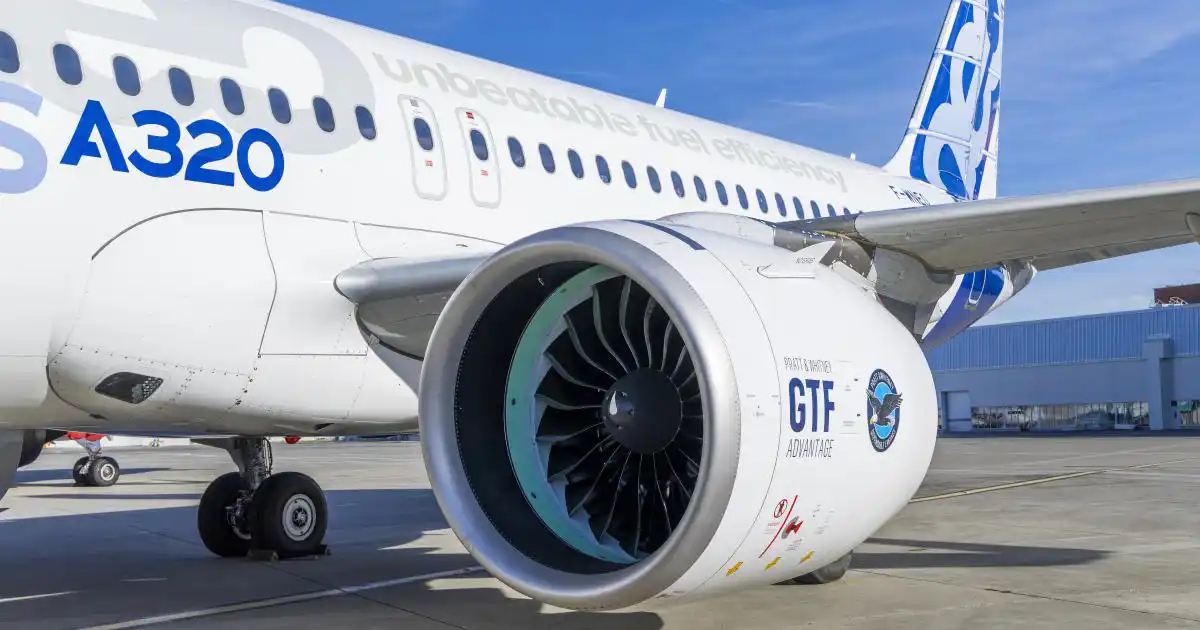
- 53 A321NXs (all powered by Pratt & Whitney GTF engines)
With an average fleet age of 5.8 years for the A320s and 1.4 years for the A321NXs, Frontier boasts the youngest and largest A320neo fleet in the United States. The 91 additional A321neos now on order, all to be fitted with GTF engines, are part of a larger pipeline of 181 A320neo family aircraft, which includes 26 more A320neos and 155 A321neos.
Each new GTF-powered A321neo adds significant operational advantages for the low-cost carrier. The A321neo offers 244 passenger seats in a single-class configuration, enabling higher seat-mile efficiency. Combined with GTF’s performance, Frontier is positioning itself as a cost leader in the ultra-low-cost segment.
Symbolism and Storytelling in the Skies
When Frontier took delivery of its first GTF-powered A321neo in October 2022, the aircraft was named “Frederick the Bald Eagle”—a tribute to Pratt & Whitney founder Frederick Rentschler. This symbolic gesture extended to a naming campaign where Pratt & Whitney employees were invited to christen the first three GTF-equipped aircraft, deepening the bond between the engine maker and the airline.
Frontier’s aircraft have long featured distinctive animal livery and character-driven branding. By integrating meaningful narratives—like honoring the founder of their engine partner—Frontier taps into an emotional branding strategy that distinguishes it from other ultra-low-cost carriers.
Paris Air Show: The Center Stage of Aviation Deals
The announcement took place during the opening salvo of the 2025 Paris Air Show, where several high-profile aircraft orders were unveiled. Alongside Frontier’s GTF commitment, major carriers like Saudi Arabia’s AviLease and Riyadh Air placed orders for the A320neo and A350 series, while Japan’s ANA Holdings solidified deals for more A321neo and A321XLR aircraft.
Frontier’s selection of GTF engines at such a global stage is more than a procurement decision—it is a statement about its long-term operational strategy, fuel efficiency goals, and environmental responsibilities. As sustainability continues to shape airline priorities, being seen as an early and enthusiastic adopter of fuel-efficient technology is a reputational asset.
GTF Engines: Designed for the Future
The GTF engine is not just an upgrade—it is a platform designed for ongoing technological evolution. Pratt & Whitney continues to innovate with aftermarket upgrades and digital engine health monitoring that optimize engine performance across diverse operating environments.
The manufacturer has also introduced a “GTF in a Box” upgrade kit, offering airlines a modular path to performance enhancements, making it easier to integrate advancements without full engine replacement. This means that the engines powering Frontier’s new A321neos are future-proofed for continued improvements in fuel efficiency, durability, and emissions reduction.
This technical flexibility will be key as global carbon reduction mandates intensify, and as airlines face growing pressure from regulators and eco-conscious consumers to reduce environmental impact.
A Smart Business Move for Frontier Airlines
Frontier Airlines has made a name for itself as a disruptor in the low-cost airline market. With ultra-low fares, high aircraft utilization, and aggressive route expansion, its success relies heavily on cost discipline and operational efficiency. Investing in GTF engines aligns perfectly with this model.
By standardizing its incoming fleet around GTF-powered A321neos, Frontier benefits from:
- Lower fuel consumption per seat
- Reduced maintenance costs via EngineWise support
- Extended operating range and payload flexibility
- Minimized noise footprint for community compliance
These factors not only help reduce unit costs, but also make Frontier more resilient against future fluctuations in fuel prices and regulatory constraints.
Looking Ahead: 2026 and Beyond
As the first batch of 91 new A321neos starts arriving in late 2026, Frontier will likely retire older A320ceo aircraft and streamline operations around a unified, fuel-efficient fleet. The timing is ideal as air traffic continues to rebound and as infrastructure across U.S. airports increasingly favors noise-compliant, eco-friendly aircraft.
With a young fleet, low CASM (cost per available seat mile), and a growing portfolio of point-to-point routes, the addition of these new aircraft will cement Frontier’s position as a leader in sustainable, low-cost air travel in North America.
Conclusion: Powering Growth with Purpose
Frontier Airlines’ choice to power 91 new Airbus A321neos with Pratt & Whitney GTF engines is a move filled with strategic clarity, environmental foresight, and operational precision. It speaks to the airline’s commitment to building a smarter, greener, and more cost-effective fleet for the years ahead.
By anchoring its future on cutting-edge propulsion technology and maintaining a trusted partnership with one of aviation’s most iconic engine makers, Frontier is not just flying to new destinations—it’s reshaping the economics and sustainability of modern air travel.