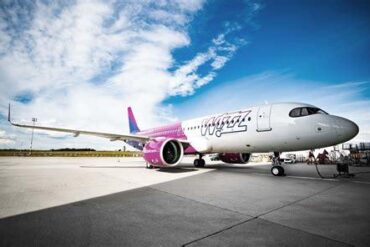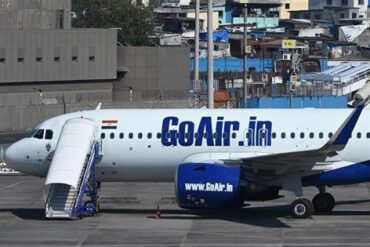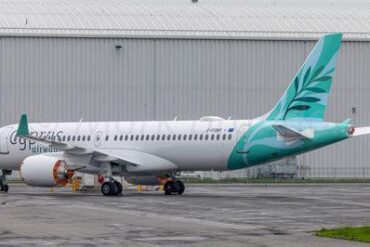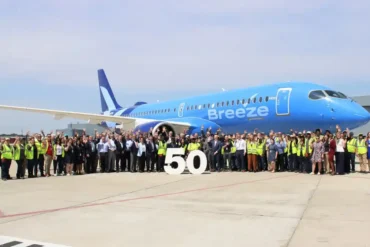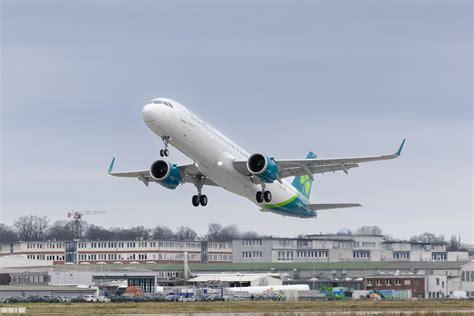
The Airbus A220 fleet recovery is entering its final phase, with the manufacturer confirming that nearly all aircraft grounded by Pratt & Whitney geared turbofan (GTF) engine issues are expected to return to operation before the end of the year. Airbus says the technical challenges affecting the aircraft have been largely resolved, leaving only a small percentage of the global fleet still awaiting maintenance.
The A220, developed as a highly efficient solution for regional and short-haul markets, has faced significant disruption because of engine reliability concerns. At the peak of the issue, airlines worldwide were forced to remove dozens of aircraft from service, creating operational challenges for carriers that rely heavily on the type for connecting smaller cities and high-frequency routes.
According to Airbus, only around 2% to 3% of the global A220 fleet remains affected by the Pratt & Whitney engine situation. The manufacturer believes the remaining aircraft will gradually return to commercial service, bringing an end to one of the most challenging periods in the A220 program’s history.
Pratt & Whitney GTF Problems Behind the A220 Groundings
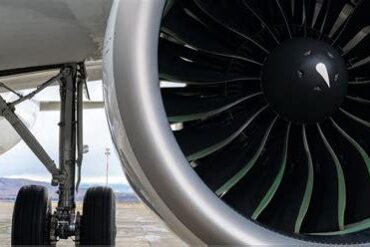
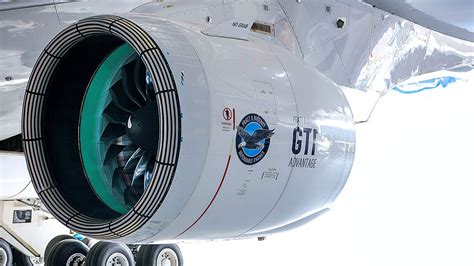
The grounding crisis was linked to issues involving the Pratt & Whitney PW1500G geared turbofan engine, which powers the Airbus A220 family. Similar challenges have also affected the wider Airbus A320neo family, creating pressure across the aviation industry as airlines dealt with aircraft shortages and extended maintenance periods.
The main problems were connected to corrosion damage, premature component wear, and manufacturing-related issues within certain engine parts. These failures required additional inspections, repairs, and in some cases, lengthy engine removals. Airlines had to adjust schedules, reduce capacity, and find temporary solutions while waiting for affected aircraft to be repaired.
At the height of the disruption, approximately 17% of the global A220 fleet was unavailable, with 76 aircraft out of a fleet of 451 temporarily grounded. Engine-related issues accounted for a significant portion of these aircraft being removed from service.
Carriers including SWISS International Air Lines, EgyptAir, and Air Austral were among those heavily affected, with some operators forced to ground their entire A220 fleets. The impact was especially significant for airlines that built their regional networks around the aircraft’s efficiency and flexibility.
A220 Reliability Improves as Engine Upgrades Take Effect
Airbus has stated that the latest generation of GTF engines has reached a more stable level of performance, with reliability now approaching the standards expected from the broader A320 family. A series of engineering improvements and design modifications have helped reduce previous concerns surrounding durability and maintenance requirements.
The improvements are important for airlines because the A220 depends heavily on operational efficiency. The aircraft’s appeal comes from its ability to connect thinner routes while offering lower fuel consumption compared with older regional jets. Extended ground time caused by engine problems threatened one of the aircraft’s biggest advantages: flexibility.
The recovery has also been supported by Airbus strengthening its industrial operations. The company’s integration of the Belfast wing production facility, previously connected with Spirit AeroSystems, has helped improve control over the A220 supply chain and production stability.
Major Airlines Continue to Depend on the Airbus A220
The A220 has become a critical aircraft for several global airlines. Its smaller size, advanced aerodynamics, and fuel efficiency make it ideal for routes that cannot support larger narrow-body aircraft.
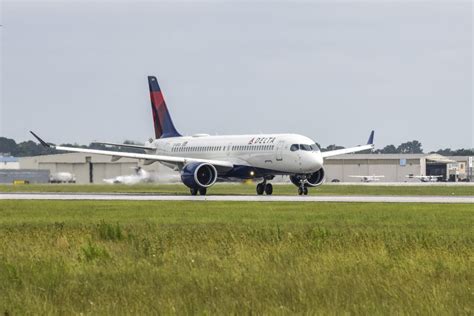
Large operators such as Delta Air Lines, JetBlue Airways, Breeze Airways, Air France, airBaltic, and Air Canada have built significant A220 fleets. For some airlines, the aircraft represents a central part of their future network strategy.
AirBaltic, which operates an all-A220 fleet, experienced notable disruption when multiple aircraft were unavailable. The airline’s operations depend almost entirely on the A220-300, making engine reliability particularly important for maintaining its European network.
As more aircraft return to service, airlines are expected to regain schedule flexibility and reduce the costly operational adjustments required during the grounding period.
Airbus Continues Studying a Larger A220 Variant
While resolving the engine challenges remains the immediate priority, Airbus is also continuing discussions around a possible A220-500 stretched variant. The proposed aircraft could increase seating capacity to approximately 189 passengers, placing it closer to larger narrow-body aircraft while maintaining the A220 family’s efficiency.
Airlines and leasing companies have shown mixed reactions to the concept. Some see potential value in a larger A220 that could compete in high-demand markets, while others remain cautious about adding another aircraft variant.
For now, Airbus appears focused on low-risk improvements and strengthening the existing A220 program. A stretched version could become an attractive option in the future, but returning the current fleet to full operational health remains the company’s main objective.
With only a small number of aircraft still affected, the A220 recovery effort is approaching completion. Airbus expects the remaining grounded aircraft to return to the skies before year-end, allowing airlines and passengers to move beyond the Pratt & Whitney engine disruption and focus on the aircraft’s long-term potential.