The Pratt & Whitney PT6 engine is one of the most iconic and reliable turboprop engines in the history of aviation. Since its development in the late 1950s, the PT6 has transformed the aviation landscape, powering a vast range of aircraft and providing unparalleled performance, reliability, and efficiency. Known for its unique design, versatility, and longevity, the PT6 engine family has been a key player in both civil and military aviation for over six decades.
History and Development of the PT6 Engine
The story of the Pratt & Whitney PT6 engine began in 1956 under the leadership of Ronald Riley, the president of Pratt & Whitney Canada. The company’s goal was clear: to create a small, reliable, and powerful gas turbine engine for aircraft. Early challenges in terms of technical innovation and financial backing did not deter the team, and by 1961, the PT6 first took flight. The engine entered full-scale production in 1963, marking the beginning of its extensive legacy.
From the outset, the PT6 was designed to meet the needs of various aviation sectors, including military, commercial, and industrial applications. Its ability to adapt to different configurations, including both turboprop and turboshaft variants, contributed to its widespread success.
Key Features and Unique Design of the PT6 Engine
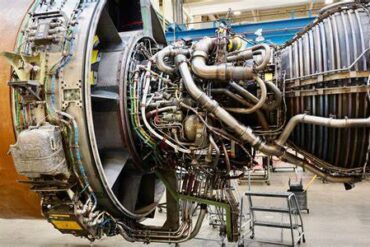
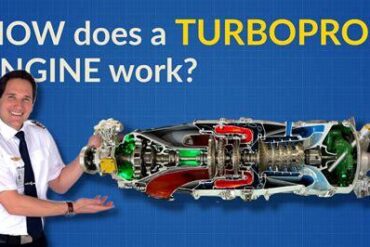
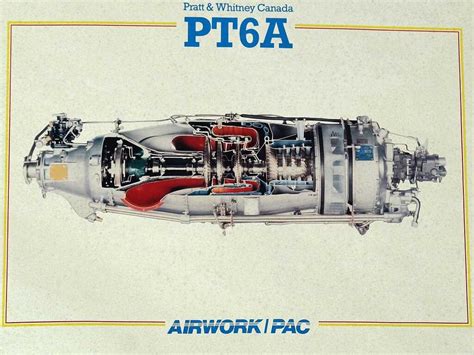
What sets the PT6 engine apart from other turboprop engines is its unique design. The PT6 features a rear-mounted gas generator and a free-power turbine, a configuration that simplifies maintenance and increases the engine’s operational life. This design allows for easier access to key components, reducing the overall downtime and maintenance costs for operators.
The rear-mounted gas generator is responsible for producing the high-pressure, high-temperature air needed to drive the free-power turbine. This turbine, in turn, powers the aircraft’s propeller. By separating these components, Pratt & Whitney Canada created a system that is both more efficient and easier to service than traditional designs where the turbine and generator are mounted together.
The free-power turbine is one of the most significant innovations of the PT6. Unlike conventional turboprops, the free-power turbine is not directly connected to the compressor or the gas generator, allowing it to operate independently. This results in a smoother operation and provides flexibility in engine performance.
Unmatched Reliability and Longevity
One of the most notable aspects of the PT6 engine is its reliability. With over 64,000 units built by February 2023, and having logged more than 400 million flight hours, the PT6 is undoubtedly one of the most trusted engines in the aviation industry. The engine’s exceptional reliability is exemplified by its in-flight shutdown rate of just 1 per 651,126 flight hours as of 2016, making it one of the safest and most dependable engines ever built.
This impressive reliability record is the result of several factors, including the engine’s design, the high-quality materials used in its construction, and its continuous updates and refinements over the years. The PT6 engine family has evolved significantly since its introduction, with improvements in fuel efficiency, power-to-weight ratio, and overall performance. These upgrades have helped keep the PT6 at the forefront of turboprop engine technology for decades.
Variants of the PT6 Engine
Since its introduction, the PT6 engine has been offered in a wide variety of configurations to meet the needs of different applications. The PT6 family includes several models, each with specific power outputs and performance characteristics.
Some of the most notable variants of the PT6 include:
- PT6A: This is the most widely used variant, powering civilian aircraft such as the Beech King Air and Cessna 208. The PT6A is known for its excellent fuel efficiency and reliability, making it a popular choice for commercial and private operators.
- PT6B: This variant is specifically designed for use in helicopters, including models such as the Sikorsky S-76. It offers enhanced performance and power output to meet the demanding requirements of rotary-wing aircraft.
- PT6C: The PT6C is a high-performance variant that powers aircraft such as the de Havilland Twin Otter. It is known for its ability to operate in extreme conditions, including high altitudes and hot environments.
- PT6T: The PT6T is a turboshaft engine used primarily in military applications. It has a higher power output and is designed for demanding, high-stress environments.
Each of these variants is optimized for specific operational needs, ensuring that the PT6 engine can be used in a wide range of aircraft types and missions.
PT6 Engine in Military and Industrial Applications
While the PT6 engine is most commonly associated with civil aviation, it has also found significant use in military and industrial applications. The engine’s robustness, versatility, and performance make it an ideal choice for aircraft operating in challenging environments.
In the military sector, the PT6 engine powers a variety of aircraft, including surveillance aircraft, transport planes, and turboprop trainers. Its ability to operate at high altitudes and in harsh weather conditions has made it a favorite for military operators worldwide.
The industrial sector has also benefited from the PT6’s capabilities, with the engine being used in applications such as power generation, oil and gas exploration, and search and rescue missions. Its durability and efficiency make it well-suited for operations in remote or difficult-to-reach locations.
The Future of the PT6 Engine
As of 2023, the PT6 engine continues to evolve and adapt to the changing needs of the aviation industry. Pratt & Whitney Canada has introduced several upgrades and new technologies that ensure the PT6 remains competitive in a rapidly advancing market.
One of the most promising areas of development is the continued improvement in fuel efficiency. As global aviation moves toward more sustainable practices, engines like the PT6 that prioritize low fuel consumption and reduced emissions will become increasingly important. Pratt & Whitney Canada is already working on next-generation technologies that will reduce the environmental impact of the PT6 engine family, ensuring its continued relevance in the future of aviation.
Additionally, advancements in digital technology and smart maintenance are making it easier to monitor and maintain PT6 engines, further enhancing their already impressive reliability and performance. These innovations will ensure that the PT6 remains a key player in aviation for decades to come.
Conclusion: The Legacy of the PT6 Engine
The Pratt & Whitney PT6 engine is a testament to the ingenuity and engineering excellence of Pratt & Whitney Canada. From its early days in the 1950s to its current role as one of the most widely used turboprop engines in the world, the PT6 has set the standard for reliability, performance, and versatility in aviation.
With its innovative design, outstanding reliability, and continued improvements over the years, the PT6 engine family remains an industry leader, powering a diverse range of aircraft across the globe. As aviation continues to evolve, the PT6’s legacy is assured, and its future looks as bright as its past.