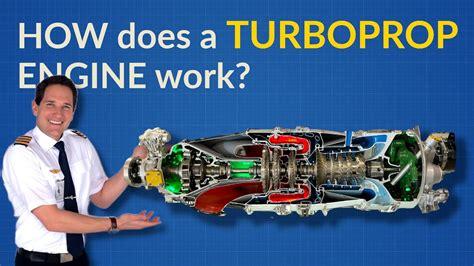
Turboprop engines have revolutionized aviation by combining the power of a gas turbine engine with the efficiency of a propeller. This hybrid design results in an engine that is exceptionally well-suited for certain flight conditions, offering benefits over both turbojets and turbofans, particularly at lower speeds. In this article, we will explore the fundamental mechanics of turboprop engines, their operational advantages, and their widespread applications in both military and civilian aviation.
Understanding the Basics of Turboprop Engines
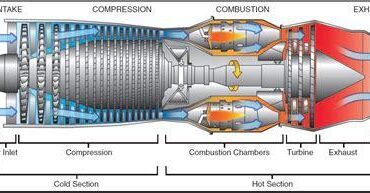
A turboprop is essentially a gas turbine engine that drives an aircraft propeller. The system integrates several critical components: an intake, reduction gearbox, compressor, combustor, turbine, and a propelling nozzle. Air is drawn into the engine, compressed by the compressor, and mixed with fuel in the combustor. This mixture is ignited, creating hot gases that power the turbine. The turbine, in turn, drives the reduction gearbox, which adjusts the speed at which the propeller spins.
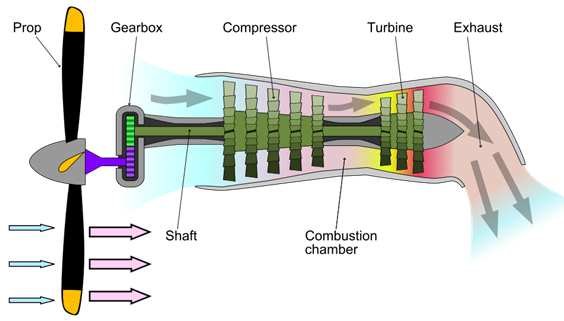
Unlike turbojets or turbofans, where the majority of the engine’s power is used to produce thrust via exhaust gases, turboprop engines are designed primarily to drive a propeller. While the exhaust gases do produce some thrust, it is minimal in comparison. The engine’s primary function is to move large amounts of air with a large-diameter propeller, which provides the majority of the thrust needed for flight.
Key Features and Operational Mechanics
One of the defining features of turboprop engines is the constant-speed, variable-pitch propeller. This propeller adjusts its angle according to the aircraft’s speed and flight conditions, optimizing performance for different phases of flight. For example, the pitch is adjusted during taxiing, takeoff, climb, and cruise, with specific modes also available for reverse thrust when slowing the aircraft down after landing.
The efficiency of turboprop engines is particularly noticeable at lower speeds. They are optimized for operations in the range of 0.6 to 0.7 Mach, making them highly effective for regional flights and short-haul routes. Their ability to move a significant volume of air with large-diameter propellers allows them to achieve better fuel efficiency compared to jet engines, especially at these slower speeds.
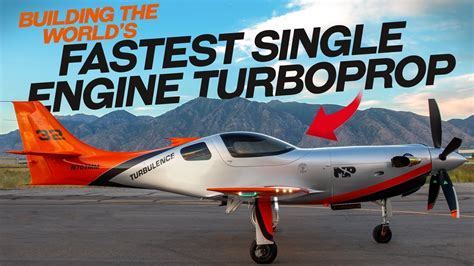
Another important factor in turboprop efficiency is the compactness of the engine design. Some turboprop engines feature reverse airflow, which allows for a more streamlined engine structure, reducing the overall size and weight of the powerplant. This design enables turboprops to be used in smaller aircraft that require high levels of maneuverability, fuel efficiency, and short takeoff and landing (STOL) performance.
Performance Advantages Over Other Engine Types
Turboprop engines provide numerous performance advantages when compared to turbojets or turbofans, particularly for certain applications. Here’s a breakdown of their benefits:
- Fuel Efficiency: At speeds below Mach 0.7, turboprops consume less fuel per passenger than jets operating at similar speeds. This makes them ideal for short to medium-haul flights, where the fuel savings can add up significantly over time.
- Shorter Runways: Turboprop engines enable aircraft to operate from shorter runways, making them perfect for regions with limited airport infrastructure or in remote areas.
- Lower Operating Costs: In addition to fuel savings, turboprop engines are often less expensive to maintain and repair than their jet counterparts, especially in smaller aircraft.
These advantages make turboprops particularly suited for regional airlines, charter services, and military applications, where low operating costs, fuel efficiency, and operational flexibility are key considerations.
Applications in Military and Civilian Aviation
Turboprops have a long history in both military and civilian aviation, with numerous aircraft types relying on these engines for their missions. Some of the most notable aircraft powered by turboprops include:
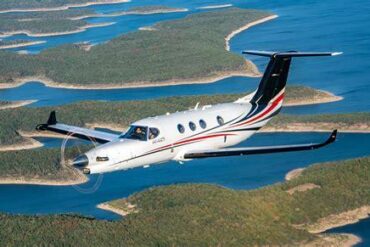
- Beechcraft King Air: One of the most widely recognized turboprop-powered business aircraft, the King Air is known for its versatility and ability to perform in a variety of roles, from executive transport to medical evacuation.
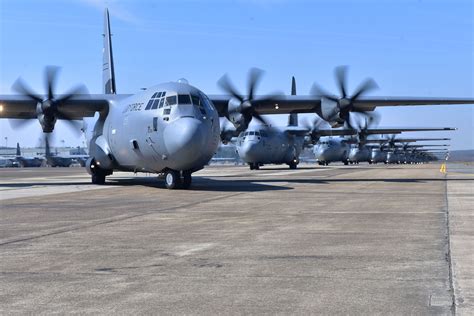
- Lockheed C-130 Hercules: A military transport aircraft, the C-130 uses turboprop engines to provide the necessary power for heavy cargo airlift missions, even from short and austere airstrips.
- Tupolev Tu-95: A long-range strategic bomber from the Soviet era, the Tu-95 is powered by four turboprop engines and remains one of the fastest turboprop-powered aircraft in service.
- Airbus A400M: A modern military transport aircraft, the A400M is equipped with turboprop engines to enable it to operate efficiently in both tactical and strategic roles.
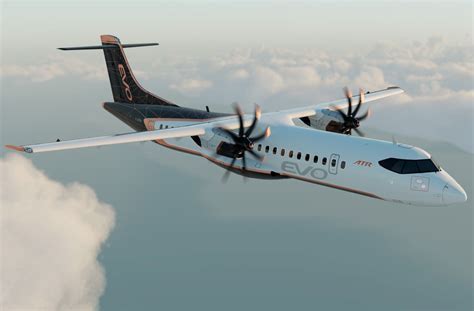
Turboprops are also becoming increasingly popular in commercial aviation, particularly for regional flights. Airlines that operate in areas with high fuel prices or challenging geographic conditions often choose turboprop-powered aircraft because of their fuel efficiency and ability to operate on shorter runways. This has led to the continued development of modern turboprop airliners, which are increasingly able to compete with jets on fuel economy and environmental performance.
Future of Turboprop Technology
While the turbojet and turbofan engines dominate long-haul commercial aviation, turboprop engines are expected to continue to play a significant role in regional aviation for the foreseeable future. Innovations in turboprop technology, including advances in materials and aerodynamics, are likely to further improve the efficiency and capabilities of these engines.
In addition, new developments in electric and hybrid propulsion systems could eventually lead to a hybrid turboprop engine, combining the efficiency of a propeller with the environmental benefits of electric motors. This could revolutionize regional aviation by reducing emissions and operating costs even further.
Conclusion
Turboprop engines remain a vital part of the aviation landscape, offering a unique blend of efficiency, versatility, and cost-effectiveness. Whether in the skies above remote areas, powering military transport aircraft, or providing reliable service on regional airliners, turboprops continue to prove their value across a wide range of applications. As technology continues to evolve, it is likely that turboprops will remain a key player in the future of aviation.