Seaplanes, a marvel of aviation design, represent the intersection of technology and versatility in the skies and on water. As powered fixed-wing aircraft capable of taking off and landing on water, they are a vital component of modern aviation, particularly in areas where traditional airstrips are impractical. These aircraft, which are split into two primary categories—floatplanes and flying boats—have become synonymous with exploration, maritime operations, and even firefighting. In this article, we will explore the fascinating history, evolution, and modern-day applications of seaplanes, showcasing their continuing relevance in the 21st century.
Understanding the Two Types of Seaplanes
At the core of seaplane design lies the distinction between floatplanes and flying boats. These two variants offer unique features that make them adaptable to different operational needs and environments.
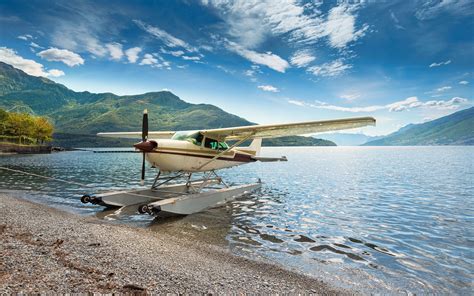
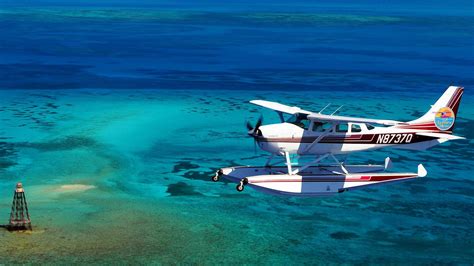
Floatplanes are characterized by their slender floats, which are mounted beneath the fuselage. These floats provide buoyancy, allowing the aircraft to land on and take off from bodies of water. Floatplanes are commonly used in regions with numerous lakes, rivers, or coastal areas, where landing strips are scarce or non-existent.
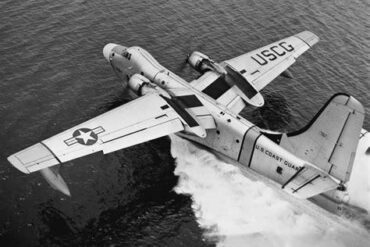
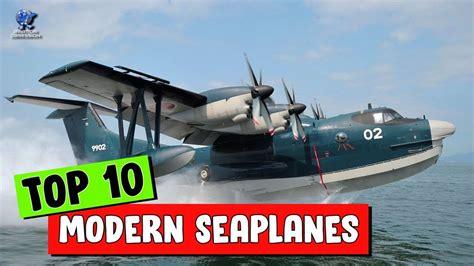
On the other hand, flying boats rely on their fuselage for buoyancy. The hull of the aircraft is designed to act as a large float, and in some cases, small wing-mounted floats are added to improve stability during water operations. Flying boats can handle rougher water conditions and are often used in heavier-duty maritime tasks, such as air-sea rescues, military operations, and firefighting.
Seaplanes can also be amphibious, meaning they are capable of operating from both water and traditional airfields. Amphibious aircraft combine the best of both worlds, offering greater flexibility in operations.
The Pioneers of Seaplane Technology
The history of seaplanes dates back to the early 20th century, with a handful of aviation pioneers making significant contributions to the field. One of the earliest figures in seaplane development was Gabriel Voisin, a French aviation pioneer who designed one of the first seaplanes, the Voisin Hydroplane. His work laid the foundation for the development of larger, more reliable aircraft designed specifically for water operations.
Another key figure in the early history of seaplanes was Henri Fabre, a French engineer and aviator who achieved a significant milestone in 1910 by flying the first seaplane to successfully take off and land on water. This achievement demonstrated the viability of seaplane operations and spurred further advancements in seaplane technology.
Seaplanes in Military and Commercial Aviation
The military applications of seaplanes were perhaps the most significant during World War I and World War II, where they played a pivotal role in reconnaissance, air-sea rescues, and maritime patrols. Seaplanes were able to operate in remote and often hostile environments, where traditional land-based aircraft could not function.
During World War II, seaplanes were utilized for anti-submarine patrols, allowing military forces to monitor vast stretches of ocean for enemy submarines. Seaplanes also played an integral role in search and rescue missions, where their ability to land on water made them invaluable in saving lives. The Consolidated PBY Catalina, for instance, became a legendary seaplane in the U.S. Navy and was used extensively throughout the war for both reconnaissance and rescue missions.
In the early 20th century, transatlantic flights also benefitted from seaplane technology. Seaplanes like the Sikorsky S-38 and the Pan American Clipper revolutionized commercial air travel between continents, offering an alternative to traditional land-based airstrips. These aircraft provided a faster and more efficient way of crossing vast oceans, paving the way for the modern global air transport network.
The Decline of Seaplanes and Their Modern Renaissance
Despite their prominence during the early to mid-20th century, the rise of land-based airstrips and the increased capacity and speed of commercial aircraft led to a decline in the widespread use of seaplanes. By the 1950s, land-based airports became more common, rendering the need for seaplanes in commercial aviation largely obsolete. However, seaplanes never completely disappeared from the aviation landscape.
After World War II, seaplanes found a niche in specialized operations such as firefighting, transport in remote regions, and maritime patrols. One of the most notable examples of a seaplane still in production today is the Canadair CL-415, a highly effective firefighting aircraft. The CL-415 is designed to scoop water from lakes and reservoirs, allowing it to fight fires in areas where traditional fire trucks and helicopters cannot access.
Modern Applications of Seaplanes
Despite being overshadowed by land-based aircraft in commercial aviation, seaplanes have continued to thrive in several niche markets. Their ability to operate in remote or waterlogged areas gives them a unique advantage over other types of aircraft. Here are some key areas where seaplanes are still in use today:
Firefighting Operations
One of the most important modern roles of seaplanes is in aerial firefighting. Seaplanes like the Canadair CL-415 can quickly scoop up water from lakes or rivers and drop it on wildfires, providing rapid response to fires in remote areas. These aircraft are crucial in combating large-scale wildfires in places with limited access to land-based firefighting resources.
Tourism and Transport in Remote Areas
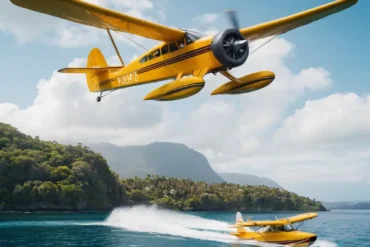
Seaplanes are frequently used in the tourism industry, particularly in destinations that are difficult to reach by road or traditional airports. For example, seaplane flights are popular in tropical locations like the Maldives, where tourists can travel between islands, or in regions with numerous lakes and rivers, like Alaska. In these areas, seaplanes offer a unique and convenient method of travel, providing access to otherwise inaccessible locations.
Search and Rescue Operations
Seaplanes continue to play a vital role in search and rescue operations, particularly in coastal or maritime environments. Their ability to land on water allows them to reach individuals stranded at sea or in areas that are difficult to access by boat or helicopter. This capability makes seaplanes an indispensable tool in the hands of emergency responders.
Future Prospects for Seaplanes
As the world faces increasing challenges related to climate change and environmental preservation, seaplanes may find new roles in sustainable aviation. In particular, amphibious aircraft equipped with modern electric engines could revolutionize regional air travel, offering eco-friendly transportation options to remote areas.
In addition, the continued development of autonomous seaplanes holds promise for revolutionizing the way goods and passengers are transported in areas that are difficult to reach by traditional means. The flexibility and versatility of seaplanes make them an attractive option for the future of aviation.
Conclusion
Seaplanes have come a long way since their inception in the early 20th century, and their enduring legacy is a testament to their importance in modern aviation. From their role in military operations during the World Wars to their use in firefighting, tourism, and search and rescue, seaplanes continue to serve vital functions in today’s world. With new technologies on the horizon, seaplanes are likely to remain an integral part of aviation for years to come.