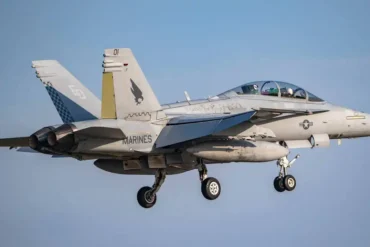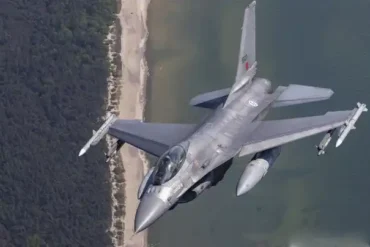
The F-16 Fighting Falcon is a multi-role combat aircraft known for its agility and advanced avionics. A crucial component of its aerodynamic control system is the airbrake, which allows for rapid deceleration and maneuverability. The F-16 airbrake system is designed with unique aerodynamic properties that enable effective speed control during combat, landing, and emergency situations.
Structural Design and Placement
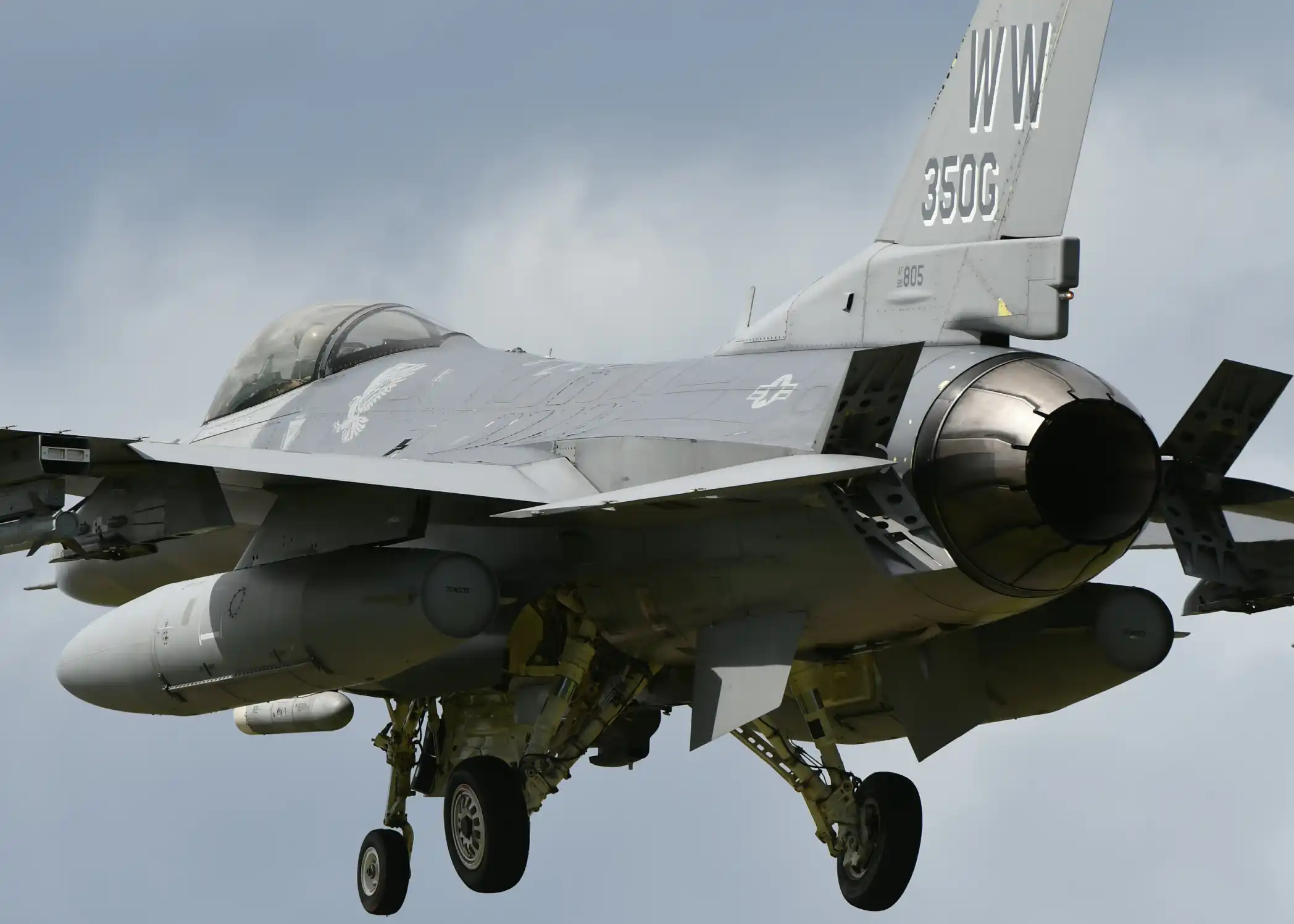
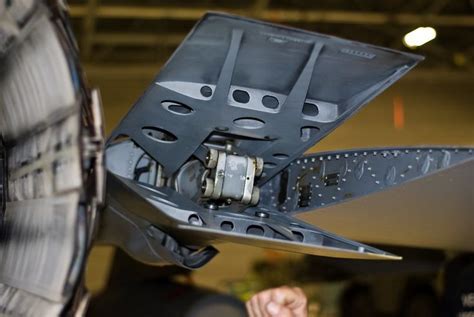
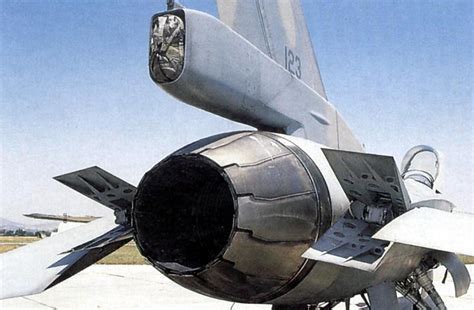
The F-16 airbrake consists of two clam-shell-style control surfaces positioned symmetrically on either side of the engine exhaust nozzle. This placement ensures that the airbrake does not interfere with the aerodynamic performance of the main wings, while also providing effective deceleration through balanced air resistance. The symmetrical deployment of the airbrake enhances stability, preventing unwanted yawing or pitching during deceleration.
Material Composition and Durability
Constructed from high-strength aluminum alloys and composite materials, the airbrake is designed to withstand extreme aerodynamic forces. These materials provide structural integrity while minimizing weight, ensuring that the F-16’s overall performance remains unaffected during deployment.
Operational Control and Deployment
The F-16 airbrake system is hydraulically actuated and integrated into Hydraulic System A, allowing for precise control by the pilot through the flight control stick or automatic systems. The airbrake’s deployment parameters depend on flight conditions, with specific limitations to ensure operational safety.
Maximum Deployment Angles
- 60° Maximum Deployment: When the landing gear is retracted, the airbrake can open up to 60 degrees, maximizing drag to reduce speed efficiently.
- 43° Limited Deployment: When the landing gear is extended, the maximum deployment angle is restricted to 43 degrees to prevent ground contact during landing.
- Override Function: Pilots can manually override this limitation using the airbrake switch on the cockpit panel.
Integration with Nose Landing Gear
- When the nose landing gear strut is fully extended, the airbrake automatically reverts to its full 60-degree opening without requiring pilot input. This ensures optimal braking efficiency during ground operations.
Tactical Applications and Functional Benefits
Air Combat Maneuvering
In dogfighting scenarios, the airbrake is a critical tool for adjusting speed to gain an advantageous position over enemy aircraft. By rapidly reducing speed, an F-16 pilot can force a pursuing aircraft to overshoot, disrupting their attack approach. The airbrake is often used in conjunction with high-G maneuvers to enhance control and survivability.
Landing and Ground Operations
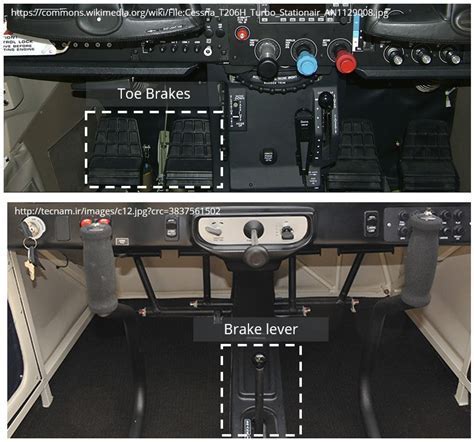
During landing, the airbrake contributes significantly to reducing runway stopping distance by increasing aerodynamic drag. It works in coordination with the main wheel braking system, which is controlled by Hydraulic System B, ensuring smooth deceleration upon touchdown.
Emergency Situations
In cases where the primary flight control system enters backup mode, the automatic airbrake logic may be disabled. In such scenarios, manual control by the pilot becomes essential to prevent excessive speed buildup.
Integration with Other Flight Systems
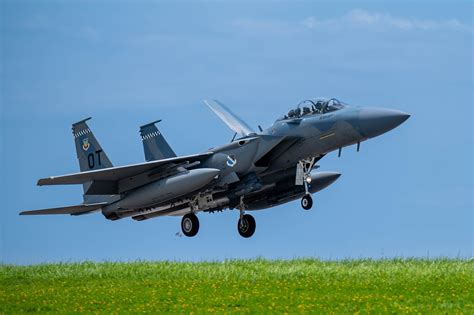
The F-16 airbrake is designed to operate seamlessly alongside other flight control systems, ensuring stability and efficiency.
Fly-By-Wire System
The quad-redundant fly-by-wire (FBW) system continuously adjusts the airbrake deployment to maintain flight stability. This ensures that excessive drag does not compromise control authority, particularly during combat maneuvers.
Leading and Trailing Edge Flaps
The leading-edge flaps and trailing-edge flaperons are dynamically adjusted to counteract adverse aerodynamic effects caused by airbrake deployment, maintaining lift and stability while decelerating.
Conclusion
The F-16 airbrake system exemplifies the aircraft’s advanced aerodynamic engineering, balancing speed management, maneuverability, and safety. Its strategic placement, automated control features, and seamless integration with other flight systems make it an essential component in combat, landing, and emergency scenarios. The system’s hydraulic precision and operational flexibility highlight the F-16’s status as a highly capable multi-role fighter aircraft.
Frequently Asked Questions (FAQs)
1. How does the F-16 airbrake enhance combat performance?
The airbrake allows pilots to rapidly reduce speed during aerial combat, disrupting enemy targeting and creating opportunities to reposition for offensive or defensive maneuvers. This feature is especially useful in dogfights where precise speed control can dictate engagement outcomes.
2. Why is the F-16 airbrake limited to 43 degrees when the landing gear is extended?
This limitation prevents potential ground contact between the airbrake and the runway, ensuring structural integrity and safe landing operations. However, pilots can override this restriction manually if necessary.
3. What happens if the F-16’s hydraulic system fails?
Since the airbrake is powered by Hydraulic System A, a failure in this system would render the airbrake inoperative. However, the aircraft’s redundant flight control features allow pilots to adapt their landing and combat strategies accordingly.