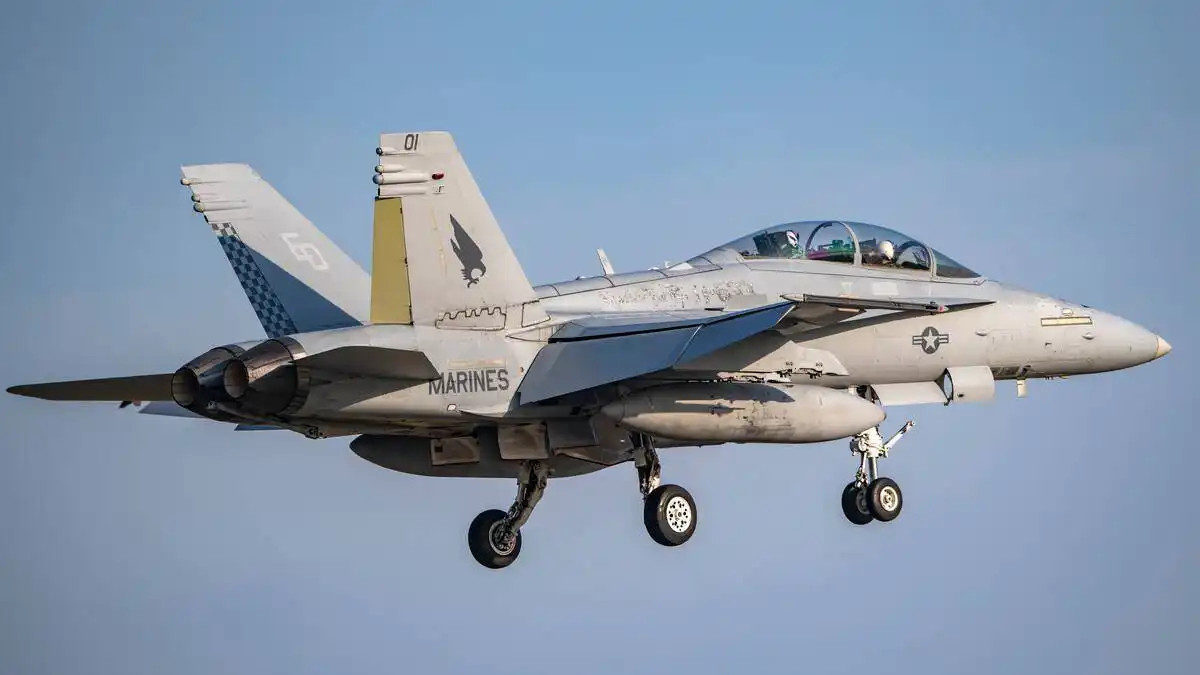
The F/A-18 Hornet is one of the most versatile carrier-based fighter aircraft in the world, serving in both air-to-air and air-to-ground combat roles. A critical yet often overlooked component of its aerodynamic design is the airbrake system, which plays a vital role in deceleration, maneuvering, and carrier operations. This article explores the design, functionality, operational benefits, and technical advancements of the F/A-18 airbrake system.
Design and Placement of the F/A-18 Airbrake
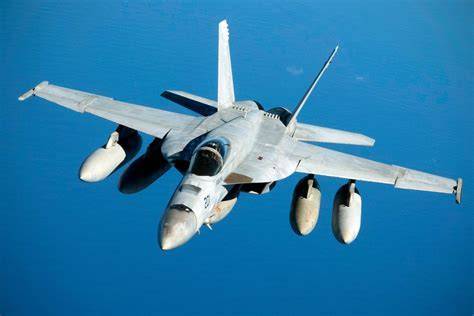
The airbrake on the F/A-18 Hornet is strategically positioned on the upper fuselage, near the base of the vertical stabilizers. This placement is crucial for maintaining aerodynamic stability while ensuring effective deceleration without adversely affecting the aircraft’s balance.
Unlike traditional split-flap airbrake designs found in older aircraft, the F/A-18’s airbrake panel deploys upwards, creating substantial drag while maintaining control authority. This design is particularly beneficial during carrier landings, where aircraft must quickly decelerate to match the short runway length of an aircraft carrier deck.
Multifunctional Role of the Airbrake System
Beyond its primary purpose of reducing speed, the F/A-18’s airbrake is integrated into various flight operations. This system assists in:
1. Combat Maneuvering
During dogfights, pilots use the airbrake to adjust their speed rapidly, forcing an enemy aircraft to overshoot, thus positioning the F/A-18 in a more advantageous attack angle. By modulating the airbrake’s deployment, pilots can enhance turn rate efficiency, crucial in close-quarters aerial combat.
2. Precision Targeting in Ground-Attack Missions
In air-to-ground operations, the airbrake is used to stabilize targeting systems. During dive-bombing runs, rapid deceleration helps maintain a steady aim, increasing the accuracy of laser-guided bombs and precision missiles.
3. Landing Approach Stability
While approaching an aircraft carrier, the airbrake helps maintain optimum speed control, allowing pilots to fine-tune their glide path for a safer landing. This feature is especially critical when operating in high-stress naval environments.
Integration with Carrier-Based Operations
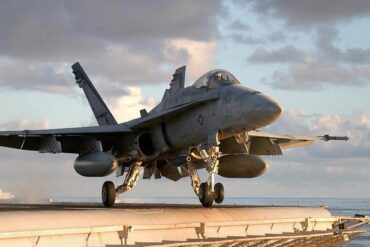
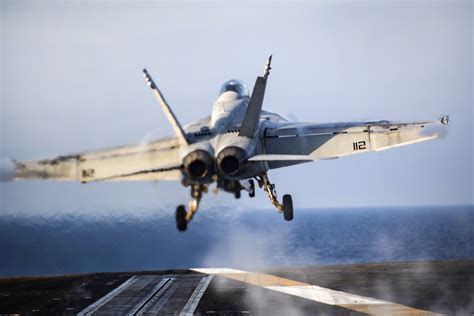
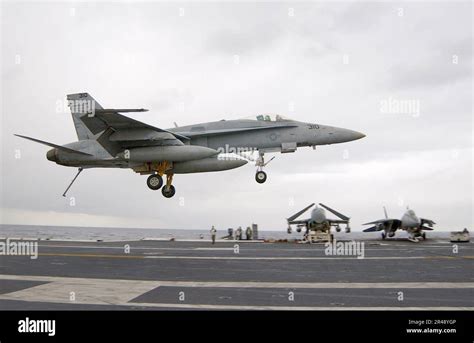
The F/A-18 Hornet is designed for carrier-based operations, where precise speed management is crucial for safe recovery. The airbrake system works in conjunction with the tailhook and arrestor cables, ensuring minimal runway overshoot. Without this integration, the risks of hard landings and bolters (missed arrestor cable catches) would significantly increase.
Another advantage of the airbrake’s fuselage positioning is its ability to decelerate efficiently without affecting the aircraft’s nose angle, which is essential for achieving the correct angle-of-attack (AOA) during carrier landings.
Technological Advancements in the Super Hornet (F/A-18E/F)
The next-generation F/A-18E/F Super Hornet features improvements to the airbrake system, making it more effective and adaptable to increased performance demands. Enhancements include:
1. Optimized Aerodynamic Efficiency
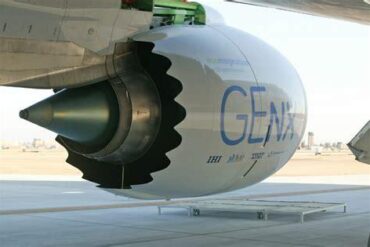
The Super Hornet’s airbrake system has been refined to work seamlessly with the aircraft’s increased thrust and advanced avionics. With a more powerful General Electric F414-GE-400 turbofan engine, adjustments to airbrake drag coefficients were necessary to prevent excessive energy loss.
2. Enhanced Stability for Heavy Weapons Loadouts
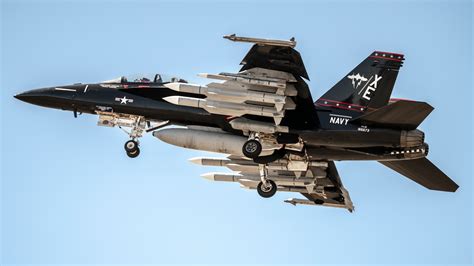
When carrying a full weapons load, particularly under the “Super Beast” configuration (including AIM-174B long-range missiles), adjustments in airbrake deployment help counterbalance the additional weight and aerodynamic drag.
3. Improved Structural Durability
The Super Hornet’s airbrake assembly is constructed from advanced composite materials, improving durability and resistance to high-stress operations in extreme environments.
Performance and Reliability in Training and Combat
The airbrake system on the F/A-18 Hornet has been extensively tested in combat scenarios and rigorous training exercises. Despite the aircraft’s aging fleet, reports indicate that the airbrake system remains one of the most reliable components.
Notable Incidents and Maintenance Insights
- In recent incidents involving the Spanish Air Force, mechanical failures in aging F/A-18 units led to crashes. However, investigations showed that these were primarily due to general wear and tear, not airbrake system malfunctions.
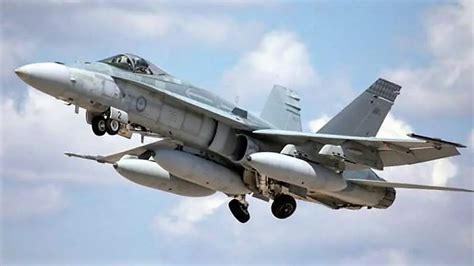
- The Royal Australian Air Force’s retired F/A-18A/B Hornets demonstrated continued operational effectiveness after system overhauls, proving the airbrake’s reliability over extended service lifespans.
Conclusion
The F/A-18 Hornet’s airbrake system is a crucial element of its multifaceted aerodynamic capabilities, supporting combat efficiency, precision landings, and enhanced maneuverability. Whether in air superiority missions, carrier landings, or ground-attack roles, the airbrake plays an indispensable role in ensuring mission success and pilot safety. As the F/A-18E/F Super Hornet continues to evolve, refinements to the airbrake system will further enhance its adaptability to modern aerial warfare.
Frequently Asked Questions (FAQ)
1. How does the F/A-18 airbrake differ from other fighter jets?
Unlike some aircraft that use ventral or wing-mounted airbrakes, the F/A-18’s airbrake is located on the upper fuselage. This design choice reduces instability while maintaining effective deceleration, particularly beneficial for carrier landings and combat maneuvering.
2. Does the airbrake affect the F/A-18’s stealth profile?
The F/A-18 Hornet is not a stealth aircraft, but its airbrake does not significantly contribute to radar cross-section enlargement. However, on newer stealth aircraft like the F-35, alternative deceleration methods are used to minimize radar signature.
3. Can the F/A-18 fly without the airbrake operational?
Yes, but with limitations. Without the airbrake, pilots must rely on throttle control, high-AOA maneuvers, and flaps to reduce speed. However, carrier landings and combat engagements would be significantly more challenging.