Aerodynamics in aircraft revolves around how air interacts with the plane’s surfaces as it navigates through the atmosphere. Every decision made during the design phase—whether it’s the curvature of the wings or the sleekness of the fuselage—aims to control this interaction. By carefully sculpting each component, engineers can harness airflow to maximize lift, minimize drag, and ensure flight stability across varying conditions.
The science of aerodynamics informs key design elements:
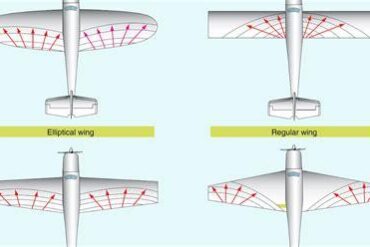
- Wing Shape and Airfoil Design: The wings are sculpted with precision to create a pressure differential that generates lift.
- Fuselage Configuration: A streamlined body reduces drag and turbulence, contributing to smoother airflow.
- Material Selection: Advanced composites are used to minimize weight while maintaining strength, a balance critical to efficient flight.
The Critical Role of Aerodynamics for Pilots
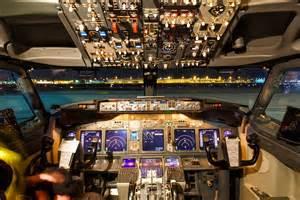
For pilots, understanding aerodynamics isn’t optional—it’s essential. Every control input, from adjusting pitch to modulating thrust, relies on aerodynamic principles. During critical flight phases like takeoff, climb, cruise, and landing, pilots rely on aerodynamic knowledge to ensure optimal performance and safety.
A pilot’s command of aerodynamics ensures they can:
- Optimize fuel efficiency by managing lift and drag throughout the flight.
- Respond to adverse conditions such as wind shear or turbulence.
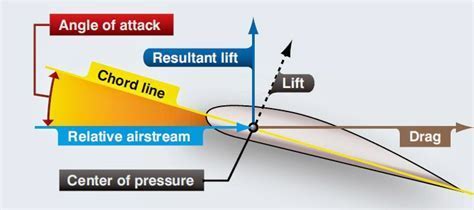
- Avoid aerodynamic stalls by understanding the relationship between angle of attack and airflow separation.
The First Rule of Aerodynamics: Generating Lift
At the heart of aerodynamics lies the fundamental principle of lift. This force, generated by the interaction of airflow with the aircraft’s wings, counters the pull of gravity and allows sustained flight. Bernoulli’s principle explains how the curvature of an airfoil accelerates air over the top surface, creating lower pressure above the wing and higher pressure below, resulting in lift.
Without a clear understanding of lift, achieving efficient flight would be impossible. Every aerodynamic design decision begins with this foundational rule, as the balance between lift and weight defines the aircraft’s ability to ascend, cruise, or descend safely.
The Four Fundamental Aerodynamic Forces
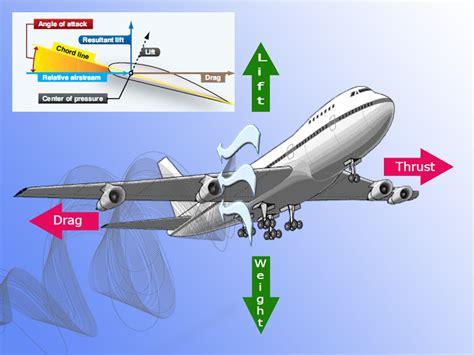
An aircraft in flight is a dynamic system, continuously influenced by four basic forces: lift, weight, thrust, and drag. These forces interact in complex ways, but maintaining their balance is essential for stable and controlled flight.
- Lift: The upward force generated by the wings, counteracting the aircraft’s weight.
- Weight (Gravity): The downward force due to gravity, pulling the aircraft toward Earth.
- Thrust: The forward force produced by engines, propelling the aircraft through the air.
- Drag: The resistance created by air friction and turbulence, opposing thrust.
The relationship between these forces can be summarized as:
- Lift vs. Weight: For an aircraft to climb, lift must exceed weight. To maintain altitude, lift must equal weight.
- Thrust vs. Drag: For an aircraft to accelerate, thrust must exceed drag. To maintain a steady speed, thrust must equal drag.
Understanding these forces allows both engineers and pilots to manage aircraft performance precisely, ensuring efficient and safe operations under various conditions.
Why Are Plane Wings Curved?
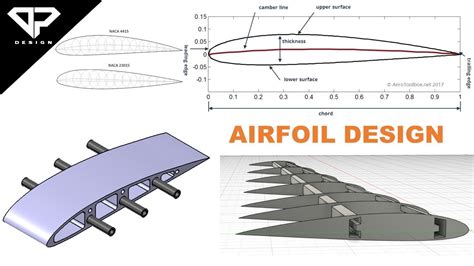
The curvature of an aircraft’s wings, known as the airfoil design, plays a critical role in creating lift. The upper surface of the wing is designed to be more curved than the lower surface, forcing air to travel faster over the top than underneath. This difference in airspeed generates lower pressure above the wing and higher pressure below, producing lift.
The benefits of curved wings include:
- Increased Lift Efficiency: The airfoil maximizes lift without requiring excessive thrust.
- Reduced Fuel Consumption: By optimizing lift, curved wings contribute to better fuel economy.
- Enhanced Stability: The design helps maintain smoother airflow, reducing turbulence and improving flight control.
Aerodynamic Design: Balancing Form and Function
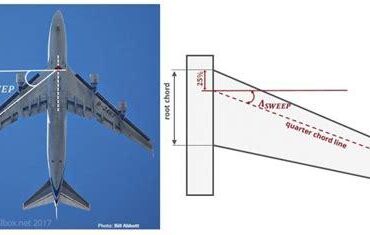
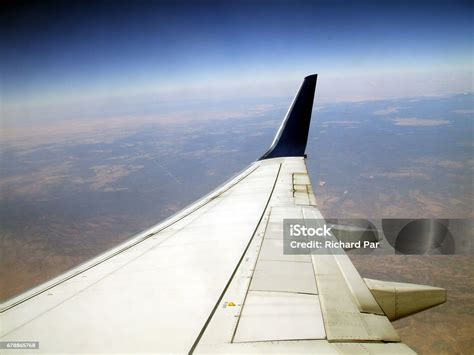
In the design process, every structural choice must balance aerodynamic efficiency with functional performance. The quest for reduced drag and increased lift drives innovations in winglets, blended wing bodies, and laminar flow control. These innovations are not mere aesthetic choices but strategic decisions that enhance the aircraft’s ability to cut through the air with minimal resistance.
Key design strategies include:
- Winglets: These upward-pointing extensions at the tips of wings reduce vortex drag, enhancing fuel efficiency.
- Blended Wing Bodies (BWB): By integrating the fuselage and wings into a seamless shape, BWBs reduce drag and improve lift-to-drag ratios.
- Laminar Flow Control: Smoother surfaces and strategic airflow control reduce turbulence, allowing for more efficient flight.
Advanced Computational Tools in Aerodynamic Optimization
Modern aircraft design relies heavily on computational fluid dynamics (CFD) and wind tunnel testing to refine aerodynamic properties. CFD simulations allow engineers to visualize and predict airflow behavior, while wind tunnels provide empirical validation of design choices.
By leveraging these tools, designers can:
- Identify drag-inducing features and optimize shapes accordingly.
- Test performance under various flight conditions, from low-speed takeoffs to high-altitude cruises.
- Innovate with new materials and configurations that push the boundaries of traditional design.
Conclusion: Mastering the Skies Through Aerodynamic Excellence
The importance of aircraft aerodynamics in design cannot be overstated. From the basic principles of lift and drag to the advanced computational techniques driving innovation, aerodynamics shapes the future of aviation. By continuously refining our understanding and application of these principles, we unlock new levels of efficiency, safety, and performance.
For aspiring aviation professionals and engineers, mastering aerodynamics is not just a technical requirement—it is a gateway to creating the next generation of aircraft that will redefine what is possible in the skies.