Wing tips are one of the most vital yet often overlooked components of an aircraft’s design. They are located at the farthest edge of each wing, and their role goes beyond merely completing the wing structure. The aerodynamics of wing tips are crucial in enhancing flight performance, controlling airflow, and improving fuel efficiency. Over the years, several innovations have shaped wingtip designs, each with a specific purpose in mind, from reducing drag to mounting essential systems. In this article, we explore the different types of wing tips, their functions, and how they influence the overall performance and design of an aircraft.
What is a Wing Tip?
The wing tip refers to the outermost portion of an aircraft’s wing, extending away from the fuselage. This section plays a significant role in shaping the flow of air around the wing, which directly affects the aircraft’s aerodynamics. The wing tip design helps mitigate drag caused by wingtip vortices—turbulent air that forms at the edges of the wings as a result of pressure differences. The more efficient the wingtip, the less drag is produced, which results in better fuel efficiency and performance.
Aerodynamic Challenges and Solutions in Wing Tip Design
In the early days of aviation, the shape of wing tips was relatively simple, with aircraft generally sporting squared-off or rounded tips. However, as aircraft speeds increased, so did the understanding of the aerodynamic challenges at play. The key issue faced by aircraft designers is wingtip vortices—circular air movements that trail off the ends of the wings, creating drag and reducing fuel efficiency. These vortices cause a significant increase in drag, which becomes more pronounced at higher speeds. As a result, engineers began exploring ways to reduce vortex strength and drag by modifying the shape of the wing tips.
Common Wing Tip Designs
Over the years, various wingtip designs have emerged, each serving a specific purpose. Here are some of the most common types of wing tips:
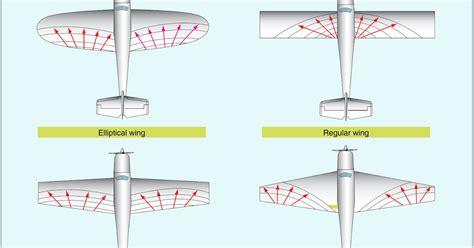
- Square Tips: Simple and inexpensive, these tips are often found on older or smaller aircraft. They create more drag than more advanced designs but offer sufficient performance for lower-speed aircraft.
- Hoerner Tips: Named after aerodynamicist Dr. Julius Hoerner, these tips are rounded and feature a more gradual transition from the wing’s main surface. This design reduces vortex strength and is found in many light aircraft.
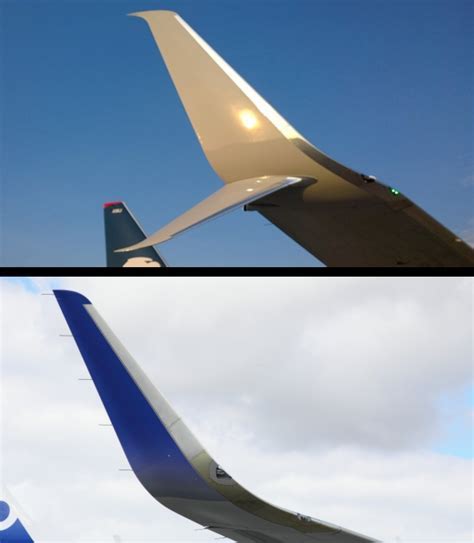
- Winglets: Winglets are small, vertical extensions at the end of the wing that are now ubiquitous on modern airliners. They help reduce drag by preventing the formation of strong wingtip vortices. Winglets are often seen on high-speed aircraft like the Boeing 737 and Airbus A320, where they significantly improve fuel efficiency.
- Raked Wingtips: These tips are angled backward, offering better aerodynamics and reducing drag. They are common on modern commercial jets, such as the Boeing 787.
- Drooped Wingtips: These are often used on aircraft that operate in extreme conditions, such as STOL (Short Take-Off and Landing) aircraft. The drooping design helps maintain stability at low speeds.
The Role of Wing Tips in Aircraft Performance
The design and configuration of wing tips have a profound impact on the overall performance of an aircraft. The following are some of the key benefits of efficient wing tip design:
1. Fuel Efficiency
One of the primary reasons winglets and other advanced wingtip designs have become standard in modern aviation is their ability to reduce drag and improve fuel efficiency. By reducing the strength of wingtip vortices, these designs minimize the energy lost to drag, allowing aircraft to travel more efficiently over long distances. In commercial aviation, this translates into significant savings on fuel costs.
2. Improved Stability and Control
Wing tip designs, particularly those that affect the flow of air across the wing’s surface, can enhance an aircraft’s stability. Aircraft that are designed for slower speeds or specific flight conditions, such as STOL aircraft, benefit from wing tips that improve controllability and maintain steady airflow. For example, some aircraft feature wingtips that help with low-speed stability and prevent wing stall.
3. Enhanced Lift and Maneuverability
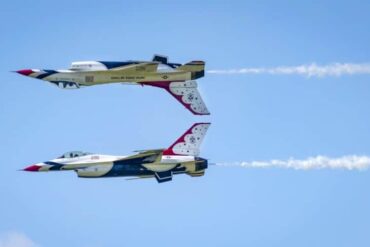
Some specialized wingtip designs, such as those used in aerobatic aircraft, improve lift and maneuverability. Aerobatic planes, for instance, often have wingtip-mounted smoke systems, which not only add to the visual appeal of the aircraft but also help optimize its aerodynamics during complex maneuvers. These systems assist in maintaining controlled airflow during rapid changes in direction.
4. Noise Reduction
In certain aircraft, especially those with rotary wings, wing tips are used to reduce noise and vibrations. Swept or curved wing tips on rotary-wing aircraft like helicopters help minimize the noise generated by the blades cutting through the air, providing a quieter flight experience.
Specialized Wing Tips: From Fighter Jets to Amphibians
While most commercial aircraft benefit from advanced wingtip designs, military and specialized aircraft often employ more unique configurations to meet specific operational needs.
Fighter Aircraft and Wing Tip Hardpoints
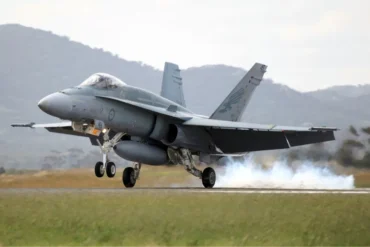
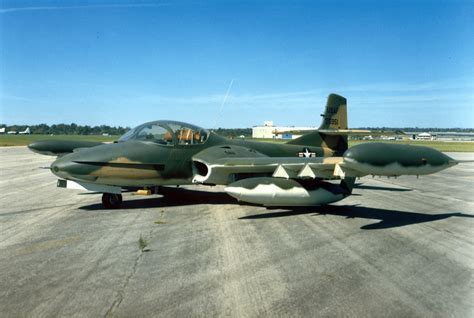
On military fighter aircraft, wing tips often serve more than just an aerodynamic function. They may feature hardpoints for mounting weapons or electronic countermeasures. These hardpoints allow for easy attachment of drop tanks, missiles, and other mission-critical equipment, making wing tips an essential part of combat readiness.
Wingtip Tanks
In some aircraft, particularly older models or those designed for extended range, wingtip-mounted fuel tanks are used. These tanks not only provide additional fuel capacity but also help distribute weight more evenly across the wing, improving overall structural integrity and flight performance. This setup is often seen in cargo and military transport aircraft.
Wing Tip Innovations: Foldable and Moveable Designs
With the evolution of aviation, some aircraft designs incorporate foldable or moveable wing tips to accommodate storage and operational requirements. This is particularly true for naval aircraft, where space on aircraft carriers is limited. Folding wingtips allow these aircraft to fit into tighter spaces without compromising their performance in flight.
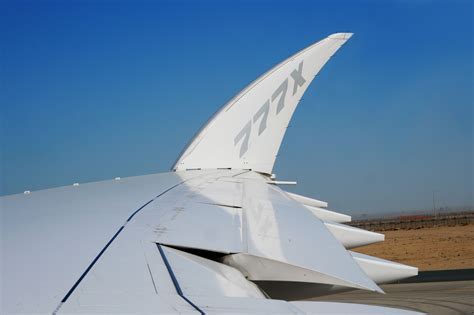
A notable example is the Boeing 777X, which features 3.5-meter folding wingtips. This innovative design helps maximize storage space on crowded airport ramps and hangars. The folding process takes just 20 seconds, making it a quick and efficient solution for commercial aircraft that need to conserve space.
The Boeing 777X: A Case Study in Folding Wing Tips
The Boeing 777X is a prime example of how modern aircraft have embraced foldable wingtip technology. The 777X’s wingtips are designed to fold upward to reduce the aircraft’s overall wingspan. This feature is particularly valuable for airlines operating in airports with limited gate space or for ground handling equipment that needs more maneuverable clearance. This folding mechanism, powered by Liebherr Aerospace, has been carefully engineered to provide seamless operation without compromising the aircraft’s aerodynamics or structural integrity.
Conclusion
The design and function of wing tips are integral to an aircraft’s overall performance. From reducing drag and enhancing fuel efficiency to improving stability and maneuverability, these seemingly small features have a profound impact on how an aircraft behaves in flight. As aviation technology continues to advance, wing tip designs will undoubtedly evolve further, with even more specialized innovations tailored to meet the demands of modern flight. Whether it’s the iconic winglet found on airliners or the specialized hardpoints used on fighter jets, wing tips are a crucial component of aerospace design and an area of ongoing development.