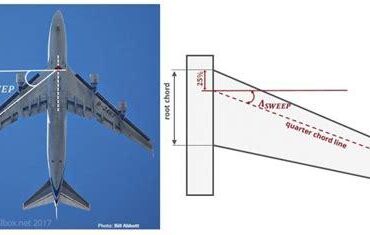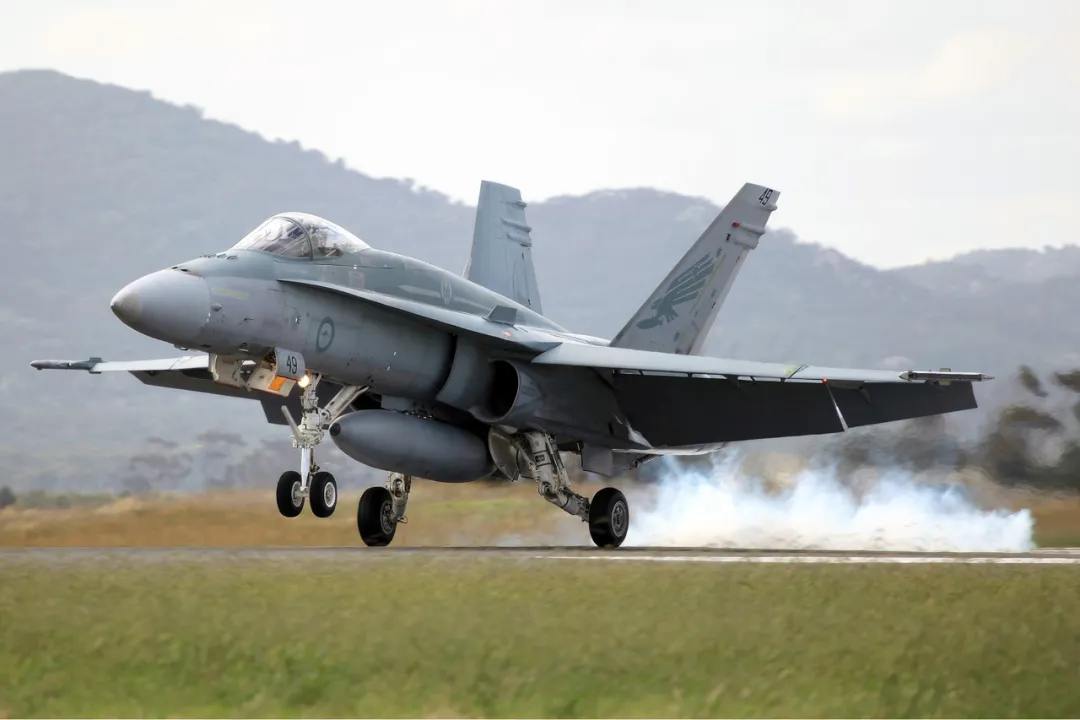
The F/A-18 Hornet is one of the most versatile carrier-based aircraft in modern aviation. A key aspect of its aerodynamic efficiency and adaptability lies in its wing sweep angle and overall wing design. Unlike traditional swept-wing fighter jets, the F/A-18 features a trapezoidal wing configuration, where the leading-edge sweep angle is 20 degrees, while the trailing edge remains straight without any sweep. This design provides a balanced compromise between subsonic maneuverability, structural integrity, and carrier compatibility.
Aerodynamic Advantages of the 20-Degree Leading-Edge Sweep
Enhanced Lift Efficiency at Subsonic Speeds
The 20-degree leading-edge sweep angle, coupled with a straight trailing edge, significantly optimizes the lift-to-drag ratio in subsonic flight conditions. This configuration enhances lift efficiency, allowing the aircraft to maintain a superior balance of maneuverability and stability, particularly in dogfighting and carrier approach scenarios.
A critical aspect of this design is the Leading-Edge Extension (LEX), which merges smoothly with the main wing structure. The LEX enhances vortex lift, contributing to high angle-of-attack (AoA) control. The F/A-18 is capable of maintaining controllability up to 45 degrees AoA, a significant advantage in close-range air combat.
Superior Handling in Carrier Operations
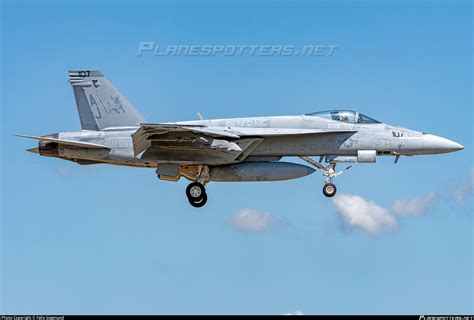
Carrier-based aircraft require exceptional low-speed handling characteristics for safe catapult launches and arrested recoveries. The trapezoidal wing design of the F/A-18 enhances low-speed lift generation, reducing stall tendencies and ensuring predictable behavior during approach and landing. Additionally, the high-lift coefficient at low speeds minimizes the required approach velocity, an essential factor in carrier landings.
Another critical feature is the folding wing mechanism, which enhances the aircraft’s ability to fit within limited deck space aboard aircraft carriers. The reinforced landing gear and airframe allow it to endure the immense stresses of carrier takeoffs and landings.
Combat Versatility: Multi-Role Weapon Integration
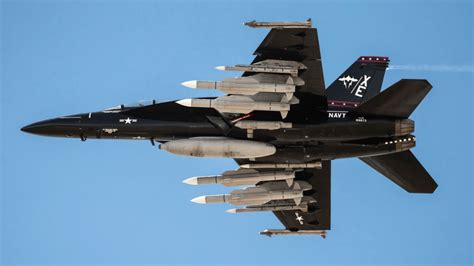
The wing structure of the F/A-18 plays a pivotal role in its multi-role adaptability. Beneath each wing, there are four hardpoints designed to accommodate a variety of air-to-air and air-to-ground munitions, including:
- AIM-7 Sparrow and AIM-9 Sidewinder missiles for aerial combat
- MK-84 bombs and guided munitions for ground strikes
- External fuel tanks for extended range
The structural integrity of the wing design allows for high load-bearing capacity, ensuring optimal performance regardless of mission requirements. The F/A-18’s adaptability for both fighter and attack roles is a direct result of this aerodynamic innovation.
Addressing Performance Limitations
While the trapezoidal wing design excels in subsonic agility and carrier-based operations, it has been criticized for reduced acceleration at transonic speeds. The 20-degree sweep angle does not offer the same wave drag reduction as higher-sweep designs, leading to moderate supersonic performance. However, this limitation has been mitigated through:
- Upgraded engines: The F404-GE-402 engines, which provide a 10% thrust increase, improve acceleration and high-speed handling.
- Advanced avionics: Enhanced flight control systems and radar capabilities help optimize combat efficiency.
- Aerodynamic refinements: Modifications in later variants, such as the F/A-18E/F Super Hornet, incorporate structural and engine improvements to enhance transonic maneuverability.
Conclusion
The F/A-18 Hornet’s 20-degree wing sweep angle is a defining feature that prioritizes carrier adaptability, subsonic maneuverability, and multi-role versatility. While it may not match the transonic acceleration of some contemporary fighters, its operational reliability, ease of control at high AoA, and combat flexibility make it an invaluable asset for naval aviation.
Frequently Asked Questions (FAQ)
1. Why does the F/A-18 have a 20-degree leading-edge sweep angle?
The 20-degree leading-edge sweep angle provides a balanced aerodynamic profile, optimizing lift efficiency, carrier landing stability, and maneuverability at subsonic speeds. It enhances low-speed handling, making it ideal for naval operations.
2. How does the F/A-18’s wing design compare to other fighter jets?
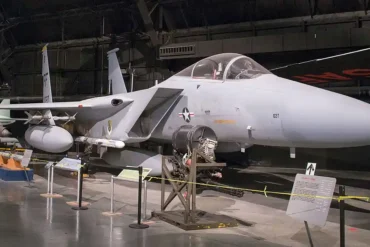
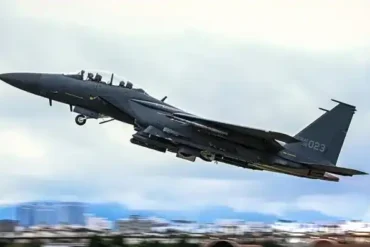
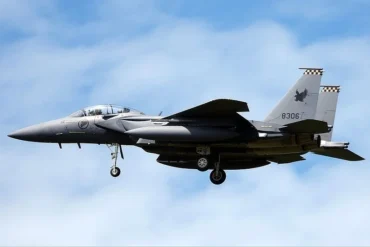
Unlike highly swept-wing fighters like the F-15 or F-22, the F/A-18 prioritizes low-speed agility and multi-role adaptability. Its trapezoidal wing allows for superior carrier operations and sustained high-angle-of-attack performance, but at the cost of transonic acceleration.
3. How has the F/A-18’s wing design evolved in later variants?
The F/A-18E/F Super Hornet introduced larger wings, enhanced aerodynamics, and more powerful engines, addressing earlier limitations in range, payload capacity, and transonic acceleration while maintaining the fundamental trapezoidal wing design.