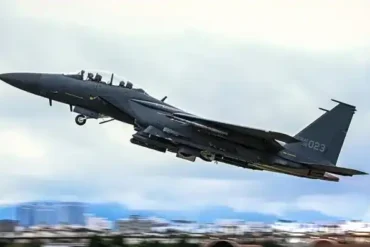
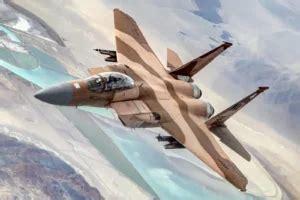
The F-15SG Strike Eagle, a formidable air superiority fighter developed by Boeing, plays a crucial role in Singapore’s defense strategy. As an enhanced version of the F-15E, the F-15SG is equipped with state-of-the-art avionics, electronic warfare capabilities, and an extensive weapons payload, ensuring the Republic of Singapore Air Force (RSAF) maintains a cutting-edge aerial combat force.
Advanced Features and Configurations
Cutting-Edge Avionics
The F-15SG is fitted with the AN/APG-63(v)3 Active Electronically Scanned Array (AESA) radar, which provides superior air-to-air and air-to-ground targeting capabilities. This system allows simultaneous engagement of multiple targets and boasts enhanced jamming resistance. The radar’s ability to track threats at extended ranges significantly improves situational awareness for RSAF pilots.
Enhanced Weapons Payload
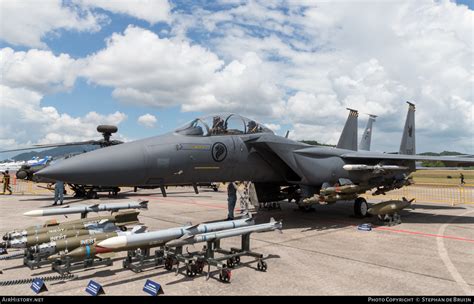
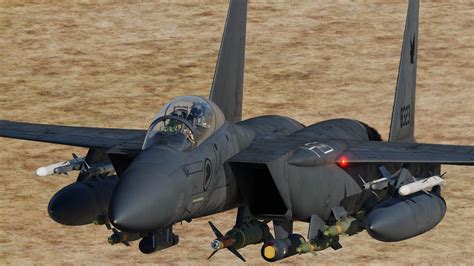
The F-15SG’s 15 external hardpoints enable it to carry a diverse array of weapons, including:
- AIM-120C7 AMRAAMs – Advanced medium-range air-to-air missiles for high-speed engagements.
- GBU-12/24 Paveway II/III – Precision-guided laser bombs for ground-target destruction.
- AGM-65 Maverick missiles – Designed for engaging heavily armored enemy positions.
With a maximum payload of 10.4 tons, the F-15SG is well-equipped for diverse combat scenarios, from air superiority missions to ground attack operations.
Electronic Warfare and Survivability
To counter sophisticated threats, the F-15SG integrates a Joint Helmet-Mounted Cueing System (JHMCS) and an advanced electronic warfare suite. These systems enhance pilot targeting accuracy and protect against electronic jamming, making the aircraft highly resilient in complex battle environments.
Procurement and Deployment
Acquisition History
Singapore’s decision to procure the F-15SG was a strategic move to strengthen its air force capabilities.
- In 2005, the Singaporean government signed a $1.6 billion deal with Boeing for an initial 12 F-15SG aircraft.
- Subsequent acquisitions increased the fleet to 40 aircraft, with the final deliveries completed by 2017.
Training and Overseas Deployment
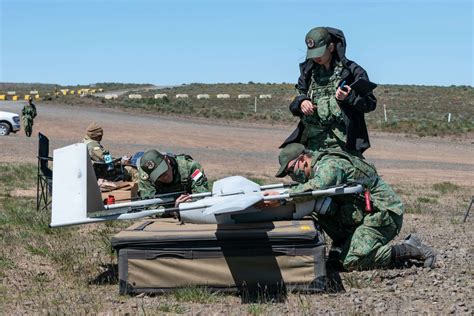
RSAF pilots undergo intensive combat training in the United States at Mountain Home Air Force Base (Idaho), where they participate in joint exercises with the U.S. Air Force.
In 2023, Singapore announced plans to station 12 F-15SG fighters at Andersen Air Force Base in Guam. This move provides access to larger training airspace, enabling realistic combat simulations and readiness enhancement.
Operational Capabilities and Upgrades
Multi-Role Combat Proficiency
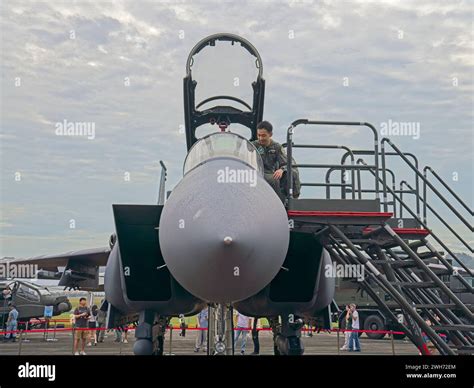
The F-15SG excels in air defense and precision strikes. It is deployed for missions including:
- Air interdiction – Neutralizing aerial threats before they reach Singaporean airspace.
- Strategic bombing – Delivering precision-guided munitions to high-value enemy targets.
- Counter-terrorism operations – Swift response to regional security threats.
Since 2013, the RSAF F-15SG fleet has achieved Full Operational Capability (FOC), participating in multinational exercises such as Exercise Red Flag and Pitch Black, proving its combat effectiveness in real-world scenarios.
Planned Technological Upgrades
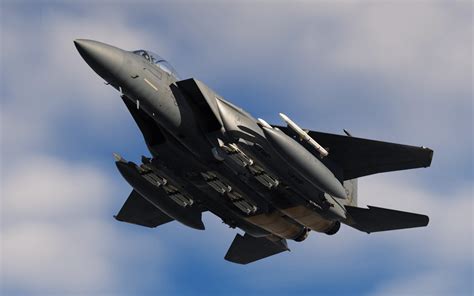
To maintain technological superiority, Singapore is exploring upgrades, including the EPAWSS v2 Electronic Warfare Suite, developed by BAE Systems for enhanced threat detection and countermeasures. The system integrates:
- Radar warning receivers – Detecting hostile missile locks.
- Geolocation capabilities – Pinpointing enemy radar locations.
- Advanced decoy systems – Deploying countermeasures against modern air defense threats.
With these enhancements, the F-15SG remains relevant against next-generation adversaries, solidifying Singapore’s aerial dominance well into the 2040s.
Strategic Importance in Southeast Asia
Strengthening Regional Security
The deployment of F-15SG fighters enhances Singapore’s ability to secure key strategic points such as the Malacca Strait, a vital maritime passage for global trade. The aircraft’s long-range and high-speed response capability ensure quick deterrence against potential threats in the region.
Multinational Defense Collaborations
Singapore actively participates in military partnerships such as:
- The Five Power Defence Arrangements (FPDA) – A regional security pact with the UK, Australia, Malaysia, and New Zealand.
- U.S.-Singapore joint military drills – Strengthening interoperability with allied forces.
These collaborations boost Singapore’s ability to operate within a coordinated defense framework, ensuring regional stability.
Future Outlook
Integration with Next-Generation Fighters
Singapore is a participant in the F-35 Joint Strike Fighter Program, although no official orders have been placed. However, the F-15SG remains a critical asset, expected to complement future stealth aircraft through tactical coordination.
Longevity and Sustainability
Boeing continues to develop sustainment programs for the F-15 series, ensuring that the RSAF fleet remains operationally effective through mid-century. Future advancements in artificial intelligence, network-centric warfare, and extended-range weapons will further enhance the fighter’s combat capabilities.
Frequently Asked Questions (FAQs)
1. How does the F-15SG compare to the F-15E?
The F-15SG is a customized variant of the F-15E Strike Eagle, featuring superior avionics, enhanced AESA radar, and upgraded electronic warfare capabilities. Its tailored configuration allows Singapore to maintain a technological edge over regional threats.
2. Why does Singapore deploy F-15SGs in the U.S. and Guam?
Singapore lacks extensive airspace for full-scale combat training. By deploying F-15SGs to Mountain Home AFB and Andersen AFB, RSAF pilots gain access to larger operational zones, allowing them to conduct realistic combat simulations and joint exercises with allied forces.
3. Will Singapore replace the F-15SG with the F-35 in the future?
While Singapore is exploring the F-35 Lightning II, the F-15SG will continue to serve as the backbone of the RSAF due to its proven combat performance, high payload capacity, and versatility. The two platforms may operate together in a complementary role rather than a direct replacement scenario.
The F-15SG remains a key pillar of Singapore’s air defense strategy, ensuring unparalleled dominance in Southeast Asian skies for decades to come.