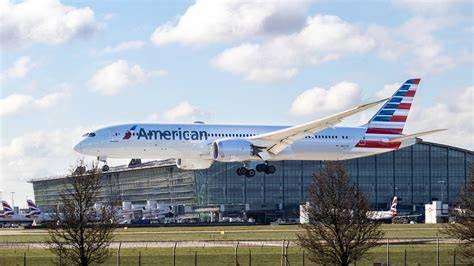
Flooding at London Heathrow Airport (LHR) has disrupted access to Terminals 2 and 3 after a burst water main beneath the airport’s Inner Ring Road West caused significant flooding in the central terminal area. The incident has created a major transportation headache for passengers during one of the busiest periods of the summer, although flight operations have not been directly affected.
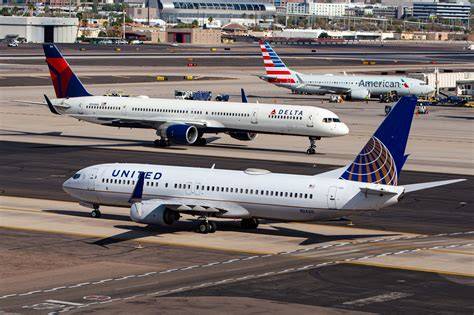
The affected terminals are particularly important for travelers flying between London and the United States. Terminal 2 is the main Heathrow base for United Airlines, while Terminal 3 handles flights operated by American Airlines and Delta Air Lines, as well as numerous other international carriers. The road closures therefore have the potential to affect thousands of passengers and airport employees even while aircraft continue operating normally.
Heathrow advised passengers traveling to or from Terminals 2 and 3 on Saturday morning not to use road access to the terminals. Instead, travelers were directed toward the airport’s rail connections, including the Heathrow Express, Elizabeth Line and Piccadilly Line. The warning is particularly significant because the disruption comes during the UK school summer holidays, when Heathrow is dealing with exceptionally high passenger volumes.
Burst Water Main Closes Heathrow’s Central Road Network
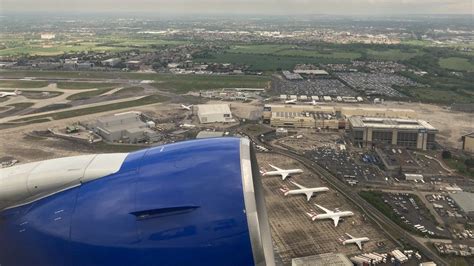
The flooding was caused by a burst main beneath Inner Ring Road West, an internal road serving Heathrow’s central terminal complex. Water from the damaged infrastructure has blocked road access around Terminals 2 and 3, creating difficulties for passengers arriving by taxi, private vehicle, bus and other road-based transportation.
Heathrow said the leak had been isolated and that repair work was continuing. Importantly, there have been no reports that floodwater entered either terminal building, meaning the immediate problem is access rather than damage to passenger facilities or aircraft operations. Nevertheless, the closure of roads serving the central terminal area can have significant knock-on effects because these routes connect the terminals with surrounding airport infrastructure.
The incident follows another water-related disruption at Heathrow earlier in the week, when a leak caused a tunnel to close and affected important rail links. The latest burst main consequently adds another layer of transportation disruption at an airport where smooth connections between road, rail and terminal facilities are critical.
United, American and Delta Among the Airlines Affected
The importance of the closure becomes clearer when considering the airlines based at Heathrow’s two affected terminals. United Airlines operates from Terminal 2, also known as the Queen’s Terminal, which serves a large number of Star Alliance members and other international airlines.
Terminal 3 is similarly important for long-haul travelers. American Airlines and Delta Air Lines both operate from Terminal 3, alongside carriers including British Airways, Cathay Pacific, Emirates, Iberia, Japan Airlines, Qantas and Virgin Atlantic. Alaska Airlines also operates from the terminal, making the area a particularly important hub for international and transatlantic travel.
Terminal 2 additionally serves airlines such as Air Canada, Air India, ANA, Lufthansa, Singapore Airlines, SWISS, Turkish Airlines and TAP Air Portugal. The concentration of major global carriers means that even a road-access problem can affect a broad cross-section of Heathrow passengers.
Rail Offers the Main Alternative to Road Travel
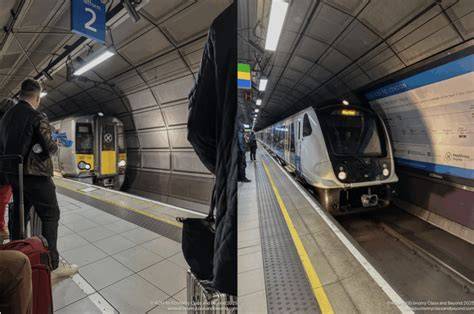
With roads around Terminals 2 and 3 restricted, rail is currently the most practical alternative for many passengers. The Heathrow Express connects the airport with central London, while the Elizabeth Line provides another direct rail option. The Piccadilly Line also connects Heathrow with multiple locations across London.
Passengers who need to reach the affected terminals by car can consider alternative airport access arrangements, including traveling to Terminals 4 or 5 and using Heathrow’s free inter-terminal transfer services where practical. However, travelers should allow additional time because changing terminals during a major road disruption can introduce extra walking and transfer time.
Heathrow Faces Peak Summer Pressure
The timing of the flooding makes the disruption particularly inconvenient. Heathrow has been experiencing exceptionally strong passenger demand, with the airport processing around 267,000 passengers on July 19, its busiest day of the year at that point. Across July, the airport handled more than 7.85 million passengers.
Heathrow also recorded 84.5 million passengers in 2025, reinforcing its position as the UK’s busiest airport. New and returning international services, including Alaska Airlines, ITA Airways and Riyadh Air, have added further activity this year.
For now, the Heathrow flooding appears to be primarily an access disruption rather than an aviation shutdown. The airport’s decision to isolate the leak and direct passengers toward rail services should help maintain operations while repairs continue. The key question is how quickly the damaged water main and surrounding road network can be restored, particularly with passenger demand remaining exceptionally high during the summer holiday period.