On Friday, July 27, 2025, Chicago was struck by an unprecedented wave of severe weather that resulted in catastrophic flash flooding, leading to streets being submerged and widespread travel disruptions across the city. The National Weather Service (NWS) issued urgent warnings about the perilous conditions, as torrential rains caused water levels to surge dramatically. With rainfall totals ranging between 3 to 5 inches in just a few hours, the situation escalated rapidly, prompting officials to take immediate action. As storms were forecasted to continue over the weekend, residents braced for further challenges, making it crucial to understand the full scope of this alarming weather event.
The Impact of Heavy Rainfall
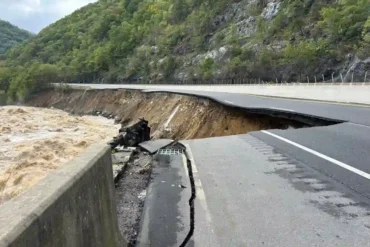
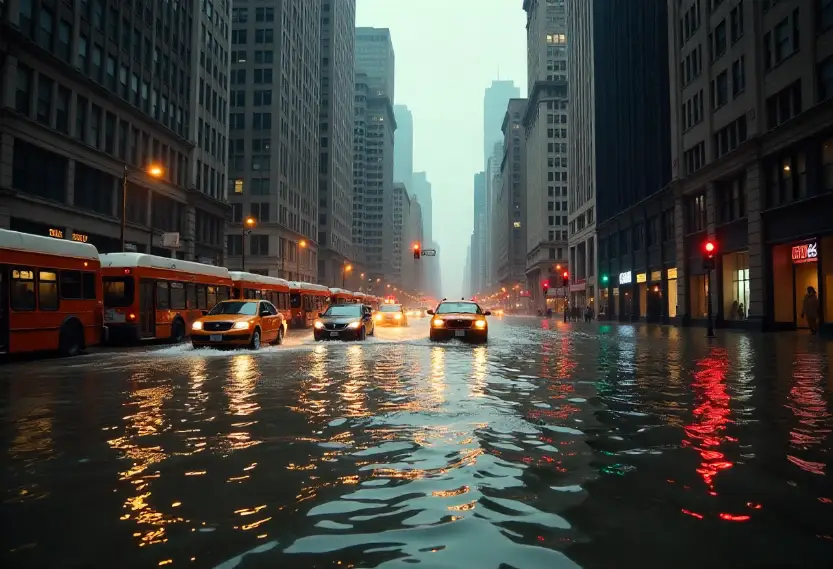
The heavy rains wreaked havoc across Chicago, inundating streets and highways, which were rendered almost impassable. Areas such as Drake Avenue and 47th Street and locations along Archer Avenue became virtual rivers, hindering normal traffic flow and creating hazardous conditions for commuters. Even major thoroughfares like Interstate 55 near First Avenue were affected as water levels rose quickly, leaving drivers in perilous situations. The NWS maintained flash flood warnings until 2:45 p.m., with a flood watch in effect until 6 p.m., urging residents to stay vigilant and prepared for further developments.
Social media quickly became a platform for Chicagoans to share their experiences, with videos depicting locals wading through knee-deep waters circulating widely. These harrowing images from areas such as 58th Street and Harlem Avenue illustrated the extreme challenges many residents faced as they navigated the rising waters.
National Weather Service’s Response
In light of the escalating situation, the National Weather Service acted swiftly to alert affected areas of the impending dangers. Rainfall rates soared to over 2 inches per hour in certain regions, prompting immediate advisories for residents to take precautions. Special alerts highlighted the risks faced by those living near creeks, drainage systems, and other bodies of water, warning of potential threats to life and property. Flash flooding is particularly perilous due to its rapid onset, leaving individuals with little time to react effectively. Authorities reassured the public that while tornadoes were not anticipated, vigilance was essential as conditions remained unpredictable. Reports of funnel clouds emerged in areas like LaSalle County and southern Cook County, compounding the storm’s volatility.
Travel Disruptions and Airport Delays
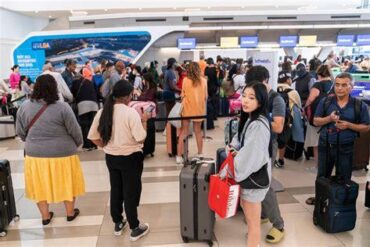
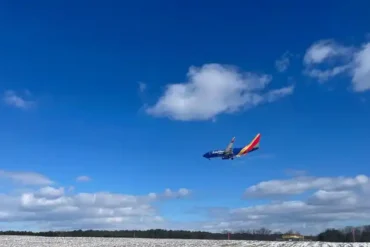
The ramifications of the flooding extended beyond street and infrastructure damage; they also severely impacted air travel. Reports indicated that Midway Airport experienced flight delays of up to 45 minutes, while O’Hare International Airport reported disruptions averaging 25 minutes. These delays were attributed to thunderstorms and necessary ground stops during the storm’s peak intensity. Travelers hoping to reach their destinations found themselves stranded, with cancellations and delays mounting as the storm continued to wreak havoc. The torrential downpour not only led to prolonged delays but also significantly reduced visibility, complicating airport operations even further.
Local Infrastructure Under Strain
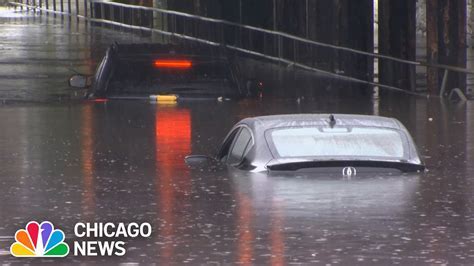
The aftermath of the Chicago flash flooding extended well beyond disrupted travel; it also revealed significant strain on local infrastructure. In Mount Greenwood, residents faced water pressure issues when electrical problems arose at the Southwest Pumping Station. Meanwhile, the flooding inflicted severe damage on the local police department in Darien, compromising critical evidence rooms and resulting in operational disruptions due to temporary power outages. Emergency crews tirelessly worked around the clock to pump water from affected buildings and streets, providing life-saving assistance to individuals trapped by the encroaching waters. Areas like Pinewood Park witnessed vehicles caught in the floodwaters, prompting quick responses from emergency responders. Thankfully, there were no reports of injuries, yet the damage inflicted by the flash floods was undeniably substantial.
Ongoing Severe Weather and Future Concerns
This catastrophic flash flooding represented just one facet of a broader weather pattern affecting Chicago. Prior to this event, intense storms had already caused considerable destruction, including downed power lines and uprooted trees. The National Weather Service issued warnings indicating that additional storms and heavy rainfall were anticipated over the weekend, increasing the likelihood of further flooding. Given that the ground was already saturated from previous storms, any additional precipitation could exacerbate the dire circumstances, leading to even more widespread flooding. Residents were urged to remain informed about the latest weather updates and to avoid unnecessary travel during this tumultuous time.
Key Takeaways from Chicago’s Flash Flooding
As we reflect on the devastating impact of the Chicago flash flooding, several critical points emerge:
- Widespread Disruptions: The flooding caused extensive disruptions to both travel and local infrastructure.
- Timely Warnings Issued: The National Weather Service promptly warned residents about rising water levels and potential hazards.
- Submerged Roads: Numerous roads and viaducts were completely submerged, creating treacherous conditions for drivers.
- Airport Delays: Airports such as Midway and O’Hare faced significant flight delays due to thunderstorms and adverse weather conditions.
- Emergency Response: Emergency crews performed water rescues and worked diligently to pump out flooded buildings.
- Future Weather Concerns: Ongoing severe weather is predicted, with the potential for additional rain and flooding.
Conclusion
In summary, the flash flooding that struck Chicago was a profound event that significantly disrupted both local life and the broader landscape of US travel news. As the storms continue to develop, residents and travelers must remain prepared for ongoing disruptions. The National Weather Service is closely monitoring the situation, and authorities implore everyone to stay informed and take the necessary precautions as the storm system persists. As Chicago works towards recovery from the aftermath of this calamity, it is evident that the region will need to maintain vigilance in the face of continuing severe weather.