In a marketing move as bold as it is brilliantly timed, Southwest Airlines has tapped into 2025’s viral Word of the Year—a number, ’67’—to launch a flash sale campaign offering one-way tickets starting at $67. This strategic play blends meme culture with modern-day travel marketing, creating a limited-time offer that targets Gen Alpha and budget-savvy travelers alike.
The Rise of ’67’: Slang That Became Strategy
Chosen by Dictionary.com as 2025’s Word of the Year, ’67’—pronounced six-seven—has evolved into a versatile piece of Gen Alpha slang. Its core appeal lies in its intentional ambiguity, functioning as an omnipurpose expression akin to ‘maybe’ or ‘sure, why not.’
The number first gained momentum across TikTok and Instagram, with users deploying it in countless contexts, from memes to music remixes. Search interest in ’67’ skyrocketed sixfold following June 2025, transforming the numeral into a linguistic inside joke that only the culturally tuned-in truly grasp. In embracing this term, Southwest isn’t just marketing airfare—it’s signaling cultural fluency and brand relevance to a new generation.
The Mechanics Behind the $67 Fare Sale
The airline’s campaign, which runs from December 16 to 18, 2025, offers deeply discounted flights on select domestic routes. The key details of the sale include:
- Price Point: One-way fares from $67, including taxes and government fees.
- Travel Window: January 6 to March 4, 2026.
- Eligibility: Only bookings made at least 21 days in advance are eligible.
- Flight Days: Discounts primarily apply to Tuesday and Wednesday departures.
This flash sale underscores the Southwest model: affordable, no-frills air travel with limited flexibility. It’s a high-impact value proposition targeting spontaneous, social media-driven audiences who are more inclined to take a quick getaway than a meticulously planned vacation.
A Campaign That Speaks Fluent Meme
By latching onto the cultural cachet of ’67’, Southwest turns its fare discount into a social signal. This isn’t just another price cut—it’s a viral talking point that is destined to be shared, memed, and hashtagged. While other carriers are likely to roll out generic holiday deals, Southwest distinguishes itself by creating a narrative, not just an offer.
This move is especially clever in a hyper-competitive travel market. Rather than shouting into the discount void, Southwest offers relevance. The campaign doesn’t just sell tickets—it taps into how Gen Alpha communicates and how they decide what’s cool.
Southwest’s Youthful Rebranding Effort
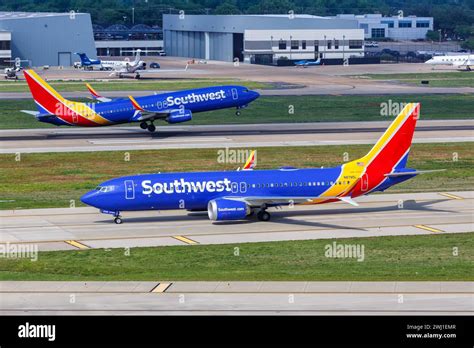
This campaign is part of a broader evolution for Southwest Airlines, which is slowly steering away from its image as just the ‘fun budget airline’ and instead leaning into a digitally native identity. The carrier’s fleet of over 800 Boeing 737s now supports high-density routes connecting major cities, aligning with new travel habits shaped by remote work and flexible schedules.
Incorporating ’67’ into its branding speaks to a deeper shift—a willingness to speak the language of Gen Alpha in ways that feel authentic. For Southwest, it’s not just about selling a seat; it’s about selling participation in a cultural moment.
How to Actually Book the $67 Flights
Snagging one of these discounted fares is a bit like a digital scavenger hunt. Here’s how to navigate it:
First, travelers need to maintain flexibility. The $67 deals are not available for every city pair and tend to pop up on less conventional route combinations. Users should filter for nonstop flights first, then branch out to one-stop itineraries if needed.
While the $67 fare includes mandatory taxes and fees, optional add-ons like early boarding, extra baggage, or in-flight perks can quickly inflate the final cost. These fares are nonrefundable and tied to Southwest’s Wanna Get Away category, meaning changes come with limitations:
- Passengers can cancel up to 10 minutes before departure to receive a flight credit.
- Missing that deadline means the ticket value is forfeited entirely.
- A 24-hour cancellation window remains the only true safety net for indecisive travelers.
This structure appeals to younger flyers who prioritize spontaneity over itinerary control. It’s a smart bet by Southwest: younger travelers care less about refundable fares and more about Instagram-worthy escapes that don’t break the bank.
Beyond Buzzwords: A Data-Informed Deal
Southwest isn’t just riding a meme wave—they’ve engineered this campaign using real-time cultural insight and booking behavior analytics. According to USA Today, the promotion was intentionally set around the holiday window, a time when travelers are already in booking mode and itching to plan future trips.
Moreover, by limiting the flights to Tuesdays and Wednesdays, the airline is optimizing for lower-demand days that typically suffer from underutilization. It’s a win-win: Southwest fills seats, and travelers score deals.
The Competitive Edge: Marketing That Translates to Ticket Sales
Airfare promotions typically blend into the digital noise of holiday marketing. But Southwest’s ’67’ campaign has earned headlines not just for its pricing, but for its cultural resonance. It’s not just youth marketing—it’s youth engagement, built on shared understanding rather than generic pandering.
By using a single-digit price hook rooted in an internet trend, Southwest has created an entry point for discussion, both online and offline. This ensures the campaign’s lifespan outlives the 3-day booking window, creating halo effects for brand loyalty and awareness.
Will Other Airlines Follow Suit?
Southwest’s success with this campaign may well set the tone for next-gen airline marketing. Expect other carriers to watch closely and potentially integrate similar meme-driven, hyper-targeted campaigns in their future strategies. But replication won’t be easy.
What makes ’67’ work is its unusual blend of randomness and relatability—a numeric slang that means everything and nothing at once. And in mimicking this strategy, competitors risk either overexplaining the meme (thereby killing it) or missing the authenticity entirely.
Final Boarding Call: Should You Book?
If you’re even thinking about taking advantage of this deal, don’t hesitate. These fares are limited by inventory, city, and departure date, and will vanish quickly. The magic of ’67’ lies in its fleeting relevance—just like the sale itself.
For those seeking an affordable way to fly in early 2026 while feeling plugged into the zeitgeist, Southwest’s campaign is a rare confluence of value, virality, and vision. It’s not just a sale. It’s a signal that Southwest gets what’s next.