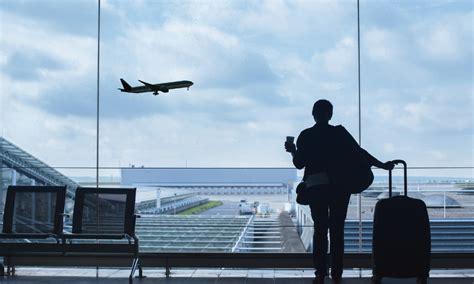
The U.S. travel industry is soaring into summer 2025 with unprecedented momentum as travel agencies across the country report a staggering $8.6 billion in air ticket sales for May alone, according to the latest data from the Airlines Reporting Corporation (ARC). This impressive figure marks an 8.7% increase year-over-year, signaling not only a recovery but an evolution in American travel behavior, where experience is prioritized over cost and the appetite for air travel continues to grow.
Air Ticket Sales Surge Reflects Strong Summer Demand
Driven by both higher airfares and increased volume, the $8.6 billion in May ticket sales represent more than a seasonal spike—it’s a reflection of renewed consumer confidence and a shift in how Americans are choosing to spend. With 25.6 million tickets sold, travelers are increasingly willing to pay more for both domestic and international trips, spurred by a concept that’s being dubbed “Revenge Travel 2.0”—a continuation of post-pandemic travel urges now refined by greater budgets and bigger ambitions.
This phenomenon goes beyond the casual vacationer. Corporate travel, once slow to rebound, is now rising steadily, climbing 3.7% from April to May. Business executives, team managers, and sales professionals are once again prioritizing face-to-face interactions. This resurgence is not just beneficial for airlines, it brings much-needed midweek stability to the travel economy, which historically depends on business travel to balance out the leisure-heavy weekends.
Rising Fares and the Experience Economy
While ticket prices have gone up considerably—especially on long-haul international routes and premium cabins—consumers aren’t deterred. Instead, they’re embracing the opportunity to upgrade. From first-class bookings to extended stays and multiple-city itineraries, the American traveler in 2025 is signaling a preference for meaningful, immersive experiences over mere cost-saving itineraries.
Travel experts note that the post-COVID consumer is willing to pay a premium for comfort, convenience, and exclusivity. This includes everything from early boarding privileges and extra legroom to curated travel packages and destination-specific excursions. Airlines have been quick to capitalize, increasing inventory in business and premium economy classes and launching new global routes to meet the demand.

Corporate Travel Reawakens
Although leisure travel remains the dominant force behind the boom, the reemergence of corporate travel is adding depth and resilience to the market. For years, Zoom calls and virtual summits replaced handshakes and hotel conferences. But in 2025, the return to in-person client meetings, conventions, and executive retreats has begun to reshape the business travel landscape.
ARC’s data reveals a notable uptick in corporate bookings—proof that businesses are once again recognizing the value of physical presence. Travel agencies specializing in corporate accounts have reported an increase in weekday flights, especially to major business hubs such as New York, San Francisco, Chicago, and Dallas. Moreover, industries such as tech, pharmaceuticals, and finance are leading the way in restoring their global travel budgets.
Airports Brace for Record-Breaking Passenger Volumes
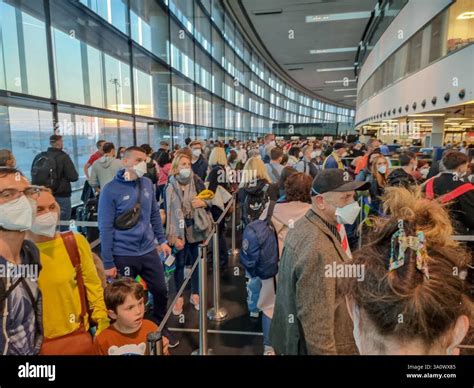
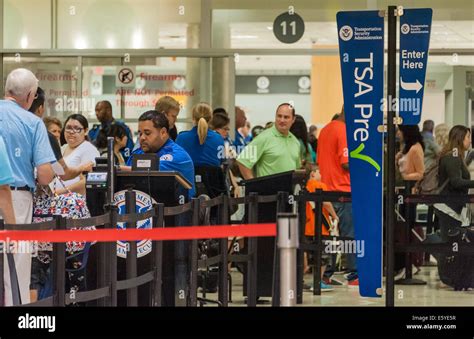
As millions of Americans prepare for summer getaways, airport terminals are bracing for congestion levels not seen since before 2020. The Transportation Security Administration (TSA) has ramped up staff hiring, deployed more mobile credential checkpoints, and extended lane hours at high-traffic locations. Yet, even with these efforts, travel insiders warn that long lines and delays may be the norm this summer.
Travelers are being advised to arrive early, pack smart, and remain flexible. Especially during July and August, peak travel times will stretch airport capacity, and even minor disruptions could cascade into longer wait times. To mitigate frustration, passengers are encouraged to download airline apps, sign up for TSA PreCheck, and monitor real-time updates before departure.
The New Travel Priorities: Quality Over Quantity
Today’s travelers are choosing value over volume. They are not necessarily taking more trips, but they are making each trip count. Surveys by industry analysts suggest that Americans are increasingly likely to:
- Upgrade to first or business class when traveling internationally.
- Extend travel time to include leisure activities, even on business trips (so-called “bleisure” travel).
- Spend more on sustainable tourism, boutique hotels, and curated experiences.
This evolution is forcing airlines and travel agencies to pivot their offerings. Packages that include premium seating, exclusive hotel partnerships, or cultural add-ons are outselling traditional economy deals. The travel ecosystem—from booking platforms to loyalty programs—is being redesigned to reflect this experience-first mindset.
Early Bookings Are Key as Peak Season Approaches
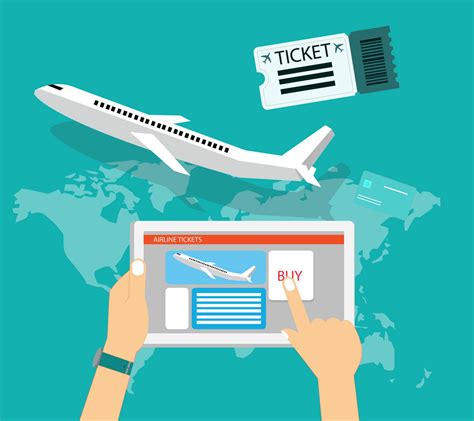
For those still on the fence about summer travel, experts are clear: book now or pay later. July and August are forecasted to be particularly crowded, and with dynamic pricing models in play, last-minute ticket buyers will face significantly higher costs. According to ARC data and projections from AAA, fare prices could jump by 15–20% over the next few weeks on high-demand routes.
Travel planners suggest that even those with tentative travel dates should consider booking refundable tickets or leveraging flexible fare policies. Airlines have also introduced a wider array of pricing tiers, allowing travelers to tailor bookings to their budget without compromising on essentials like seat choice or baggage.
Airlines Position Themselves for Long-Term Gains
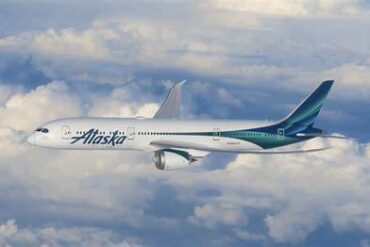
Airlines aren’t just riding the wave—they’re steering it. The summer of 2025 is a strategic opportunity for carriers to recoup past losses, expand international footprints, and reinvest in fleet upgrades. Major U.S. airlines such as Delta Air Lines, American Airlines, and United have already announced expanded summer schedules, with added flights to Europe, Asia, and South America.
To accommodate the volume, many are also enhancing in-flight experiences, adding more nonstop routes, and offering AI-powered customer support to streamline the passenger journey. Beyond the skies, airline loyalty programs are being revamped to cater to hybrid travelers—those blending business and leisure in a single itinerary.
Travel Agencies Play a Crucial Role in the Boom
Traditional and digital travel agencies are central to managing the volume, complexity, and personalization of modern travel bookings. Many travelers are turning to agencies for curated recommendations, exclusive deals, and concierge-level support. With tools to access real-time inventory, dynamic pricing, and corporate policy compliance, agencies have become indispensable, especially for high-value or multi-leg journeys.
Agencies also serve as consumer advocates during disruptions—rebooking flights, securing hotel refunds, or rerouting travelers when delays or cancellations strike. Their role has grown as travelers seek peace of mind alongside performance.
Final Boarding Call for Summer 2025
With over $8.6 billion already spent on air travel in just one month, and volumes expected to climb even higher, summer 2025 is shaping up to be a historic period for the U.S. travel industry. Whether driven by luxury-seeking vacationers or reenergized corporate travelers, the sky is no longer the limit—it’s the runway.
If you’re planning to travel this summer, the message is clear: book early, stay informed, and prepare for the ride. From bustling terminals to upgraded cabins and once-in-a-lifetime journeys, the American travel spirit is flying higher than ever.
Visit the TSA website or your airline’s official app for updates on airport guidelines, travel documentation, and flight alerts.
This season, the U.S. is not just moving—it’s taking off.