Selling an airline ticket is often a topic that sparks curiosity, particularly when you find yourself with an unused, non-refundable ticket that you can no longer use. The question arises—can you sell it? Or, at the very least, transfer it to someone else? In this article, we explore whether it’s possible to sell or transfer your airline ticket, the conditions under which you might be able to do so, and what your alternatives are if selling or transferring isn’t an option.
Understanding the Non-Transferability of Airline Tickets
In most cases, airline tickets are not transferable. Airlines generally have strict policies in place to prevent the resale of tickets for several reasons. The primary one being security; the name on the ticket must match the identity of the passenger flying. This policy is meant to prevent fraud, identity theft, and other security concerns. Additionally, airlines want to maintain control over pricing and ticket sales, and they don’t want people reselling tickets at a higher price on the secondary market.
Why Are Airline Tickets Non-Transferable?
Airlines have several revenue protection systems in place to prevent people from buying cheaper tickets and reselling them for profit. Much like sporting event tickets, some types of tickets are specifically priced for specific customer profiles, such as economy travelers. Allowing the resale of tickets would open the door for individuals to buy low-cost tickets and sell them for higher prices, undermining the airline’s pricing strategy.
Furthermore, airlines also have a vested interest in protecting their customer data. Tickets are often linked to a passenger’s personal information, and transferring that ticket to someone else would involve significant privacy concerns. This is why most airline tickets are non-transferable.
Exceptions to the Rule: When Can You Transfer or Sell an Airline Ticket?
Although airline tickets are typically non-transferable, there are a few situations where it may be possible to transfer or sell your ticket.
Name Changes
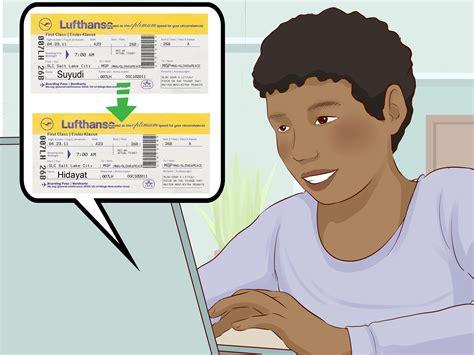
In rare instances, some airlines may allow you to change the name on a ticket for a small fee. However, this is generally limited to cases where there was a spelling mistake or a minor error in the name. A full transfer to another person is usually not permitted. Some airlines may allow a name change if you are traveling with family or a close associate, but this is often at their discretion and not a standard policy.
Refunds or Credits
If you cannot use your ticket, many airlines offer a refund, though this is typically only available for refundable tickets. Non-refundable tickets generally do not qualify for a refund, but they may allow you to change your flight for a fee. In some cases, you may be able to receive credit toward future travel.
Travel Insurance
If you purchased travel insurance, you may be able to get a refund for your unused ticket, depending on the policy and the circumstances that caused you to cancel your trip. Most policies require that you cancel your travel for a covered reason, such as illness or a family emergency.
What Happens If You Can’t Sell or Transfer Your Ticket?
If you’re in the unfortunate situation where your ticket is non-transferable and non-refundable, don’t lose hope. There are still a few things you can try to mitigate your loss.
Post on Social Media or Travel Forums
Some travelers have successfully transferred their tickets by finding someone with the same name. You can post your ticket details on social media platforms like Facebook, Reddit, or specialized travel forums to see if anyone is interested in using the ticket. This won’t technically be a sale, but it may be a way to make sure your ticket isn’t wasted.
Request Credit Toward Future Travel
If you can’t get a refund, you may be able to exchange the value of your ticket for credit with the airline. This credit is usually valid for a future flight, and while it doesn’t fully resolve your situation, it does give you the opportunity to use the funds for a future trip.
Use the Ticket for a Different Purpose
In some cases, you may be able to change your flight to another date or destination, albeit for a fee. While this option won’t provide a direct solution to your original issue, it can help minimize your losses if you’re flexible.
How to Avoid Ticket Loss in the Future
To prevent finding yourself in a situation where you have an unused, non-refundable airline ticket, consider the following tips when booking your flights in the future:
- Choose Refundable Tickets: While more expensive, refundable tickets provide peace of mind in case your plans change unexpectedly.
- Purchase Travel Insurance: Travel insurance can help mitigate the financial impact of unforeseen circumstances like illness, cancellations, or personal emergencies.
- Check Airline Policies Before Booking: Always read the terms and conditions of your ticket before booking. Pay attention to whether the ticket is refundable or transferable.
Can You Sell Airline Tickets Legally?
Selling airline tickets on the secondary market is generally not allowed by most airlines. While it may be possible to transfer your ticket to someone else in rare cases (such as through a name change), reselling a ticket is typically a violation of airline terms and conditions.
If you attempt to resell your ticket on the open market, you risk having your ticket canceled, losing your funds, and facing potential legal consequences. Therefore, it is advisable to avoid trying to sell your ticket to a third party, as doing so could result in serious complications.
Conclusion
In conclusion, while it’s generally not possible to sell or transfer your airline ticket, there are a few options available depending on your situation. If your ticket is refundable, you may be able to get a refund or exchange it for credit. If not, you might have to resort to posting your ticket on social media or travel forums in the hope that someone with the same name or similar itinerary can use it.
Remember that airlines have strict policies in place to protect their interests, and while these rules may seem frustrating, they are in place to ensure fairness and security for all passengers.