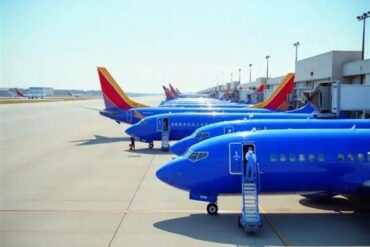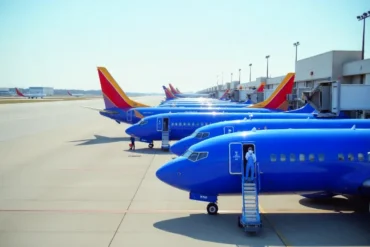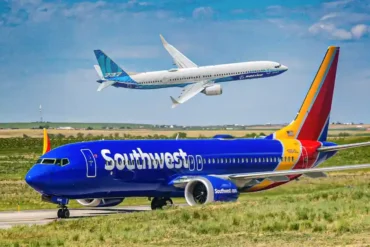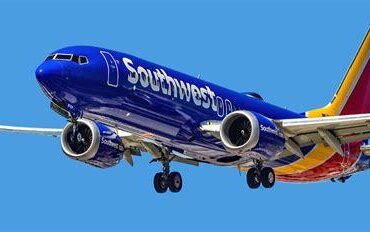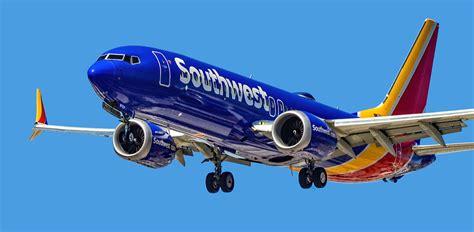
Southwest Airlines, a long-standing titan of the low-cost carrier market, is signaling a potentially transformative shift in its fleet management strategy. Amid a combination of improved Boeing production, favorable market pricing, and modest capacity growth forecasts, the airline is exploring the monetization of its Boeing 737 MAX backlog—an unprecedented move with wide-reaching implications for the aviation sector.
The airline, headquartered at Dallas Love Field and boasting major hubs in cities such as Denver, Phoenix, and Atlanta, disclosed the strategy as part of its Investor Day presentation in September 2024. The announcement highlighted the carrier’s plan to capitalize on the soaring secondary market value of the Boeing 737 MAX—aircraft it already holds rights to via preexisting contracts at highly competitive rates.
Strategic Shift Toward Asset Monetization
Bob Jordan, President and CEO of Southwest Airlines, emphasized during the Bernstein Strategic Decisions Conference that the company holds a “very, very attractive order book” of 737 MAX aircraft. These aircraft were negotiated at prices significantly below current market valuations. As Southwest projects only 1–2% capacity growth in the near term, it may not need the full fleet it has on order. This opens the door to aircraft sales that could inject liquidity without sacrificing operational capabilities.
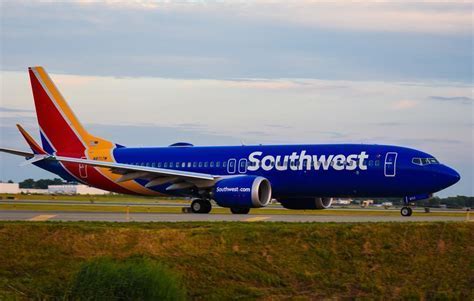
“If we don’t take all those aircraft for our own uses, then we will monetize those into the market,” Jordan said. “Our pricing compared to what the market pricing is in right now is very strong. Whether we take the aircraft or we decide to sell them into the market, we’re going to monetize every dime of value that we have in the Boeing order book.”
The potential resale of these aircraft aligns with the airline’s refined CapEx strategy, which aims to create value through flexibility. Rather than locking itself into rigid fleet expansions, Southwest is allowing itself to pivot—balancing operational needs, shareholder returns, and macroeconomic shifts.
Boeing’s Role in the Supply Equation
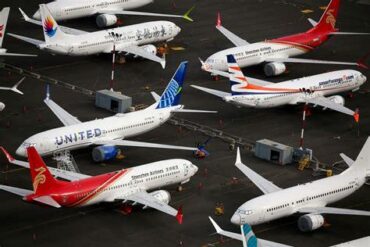
Boeing’s production reliability has historically been a pain point for Southwest, particularly following high-profile issues with the 737 MAX 9, including a mid-air door plug incident with Alaska Airlines in January 2024 and a worker strike at the Renton, Washington facility in late 2024. Despite these setbacks, improvements are materializing.
Jordan acknowledged that while the airline expected only 38 MAX 8 deliveries from Boeing in 2025—down from the contractual 136 aircraft—it now believes it could receive upwards of 50 due to enhanced stability and quality in Boeing’s production lines.
“What we see is much better quality, much better stability of the deliveries,” Jordan stated, indicating cautious optimism. Boeing’s ramp-up in production, if sustained, could significantly improve Southwest’s ability to either expand operations or sell surplus aircraft profitably.
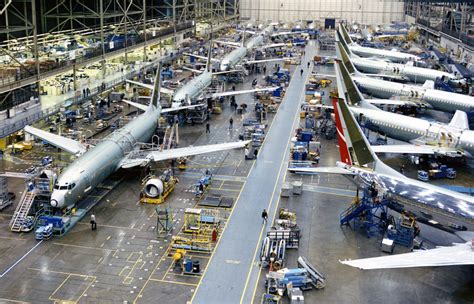
Deep Order Book Presents a Unique Opportunity
Southwest Airlines’ current backlog includes 496 firm 737 MAX orders, with many having been negotiated under pre-crisis economic conditions. As of early 2025, 63 of these aircraft were contractually committed for 2024 but were not delivered on time due to Boeing’s delays. This delayed supply combined with high market demand has amplified the resale value of new aircraft slots—particularly for popular narrowbody models like the MAX 8.
Tammy Romo, Southwest’s former Executive Vice President and CFO, explained during the 2024 Investor Day event that the airline could reallocate capital away from fleet expansion and toward operational transformation. “Efficiency improvements are going to drive capacity growth,” she said, pointing to initiatives such as red-eye flights and improved scheduling tools.
The excess aircraft availability stems from a disconnect between a large backlog of orders and a conservative capacity expansion plan. The result: a surplus of aircraft that can now be used as financial instruments in a competitive seller’s market.
A Financially Calculated Strategy
Incoming CFO Tom Doxey reinforced the financial logic underpinning the new strategy during the TD Cowen Future of Consumers Conference in June 2025. Doxey highlighted that Southwest has over $16 billion in unencumbered aircraft assets, making it one of the most capital-flexible carriers in the world.
“You’ll likely see more in the form of either direct sales or parting the aircraft out and using assets from the part-out process,” Doxey stated, indicating that traditional sale-leaseback arrangements may take a backseat to more lucrative asset-liquidation models.
These moves are not just about liquidity—they’re about delivering higher shareholder returns. By offloading surplus aircraft and minimizing CapEx obligations, the airline can reallocate resources toward dividends, share repurchases, and modernization efforts.
The ‘Southwest. Even Better’ Transformation Plan
Southwest’s aircraft sale strategy is just one component of its broader “Southwest. Even Better” initiative—a long-term plan focused on digitization, customer experience improvements, and enhanced profitability. Rather than anchoring itself in physical growth, the airline is leaning into smarter operations, using technology and analytics to optimize routes, crew assignments, and maintenance schedules.
The freed-up capital from aircraft sales is expected to fund these initiatives. Moreover, it allows Southwest to maintain a strong balance sheet while weathering unpredictable external shocks such as fuel price volatility or geopolitical instability.
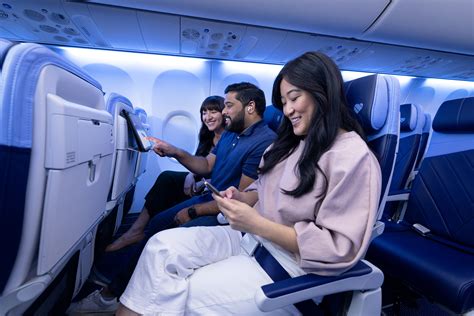
Implications for the Aviation Industry
Southwest’s pivot toward aircraft resales is a striking development in an industry where aircraft are typically held for operational use or leased out under longer-term contracts. If successful, it could set a precedent for other major carriers to monetize backlogs as strategic assets, especially in an environment where aircraft manufacturers are struggling to keep up with demand.
With narrowbody aircraft increasingly scarce due to supply chain disruptions, Southwest’s inventory may command premium pricing. This approach effectively allows the airline to act as an intermediary in the global aircraft supply chain—a rare position of leverage typically reserved for leasing giants and conglomerates.
Furthermore, by demonstrating that even low-cost carriers can strategically manage billions in unencumbered assets, Southwest challenges assumptions about budget airlines’ financial sophistication. The move also deepens the competitive moat around Southwest, making it less vulnerable to macroeconomic fluctuations or manufacturer inconsistencies.
Long-Term Impact on Fleet and Operations
While monetizing its aircraft backlog, Southwest remains focused on preserving operational integrity. The airline isn’t exiting the MAX program—it still plans to integrate hundreds of these aircraft into its fleet through 2031. What’s changing is the tempo and flexibility of these acquisitions.
With the FAA likely to certify the 737 MAX 7 sometime in 2025, Southwest could soon have access to a broader range of aircraft models. This adds optionality to both its operational and financial strategy: certain models can be retained for high-density, short-haul routes, while others can be sold to other carriers seeking immediate fleet expansion.
Additionally, the ability to sell off unwanted aircraft provides a hedge against demand volatility. Should travel demand dip unexpectedly, Southwest won’t be saddled with idle assets—it can simply offload them at a profit, reinforcing both cash flow and investor confidence.
Conclusion: A Bold, Calculated Bet
Southwest Airlines’ decision to explore the sale of incoming Boeing 737 MAX aircraft marks a bold departure from the traditional playbook. It’s a savvy maneuver that speaks to the airline’s evolving identity—not just as a low-cost carrier, but as a nimble, asset-rich enterprise poised to capitalize on inefficiencies in the aviation marketplace.
Backed by a robust order book, improved manufacturer reliability, and a well-articulated transformation strategy, Southwest is turning its aircraft backlog into a lever for growth, flexibility, and shareholder value. As the aviation industry continues to grapple with supply shortages and escalating demand, Southwest’s model may soon become the new gold standard for fleet management.