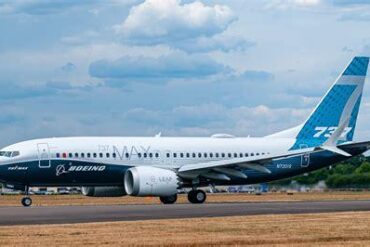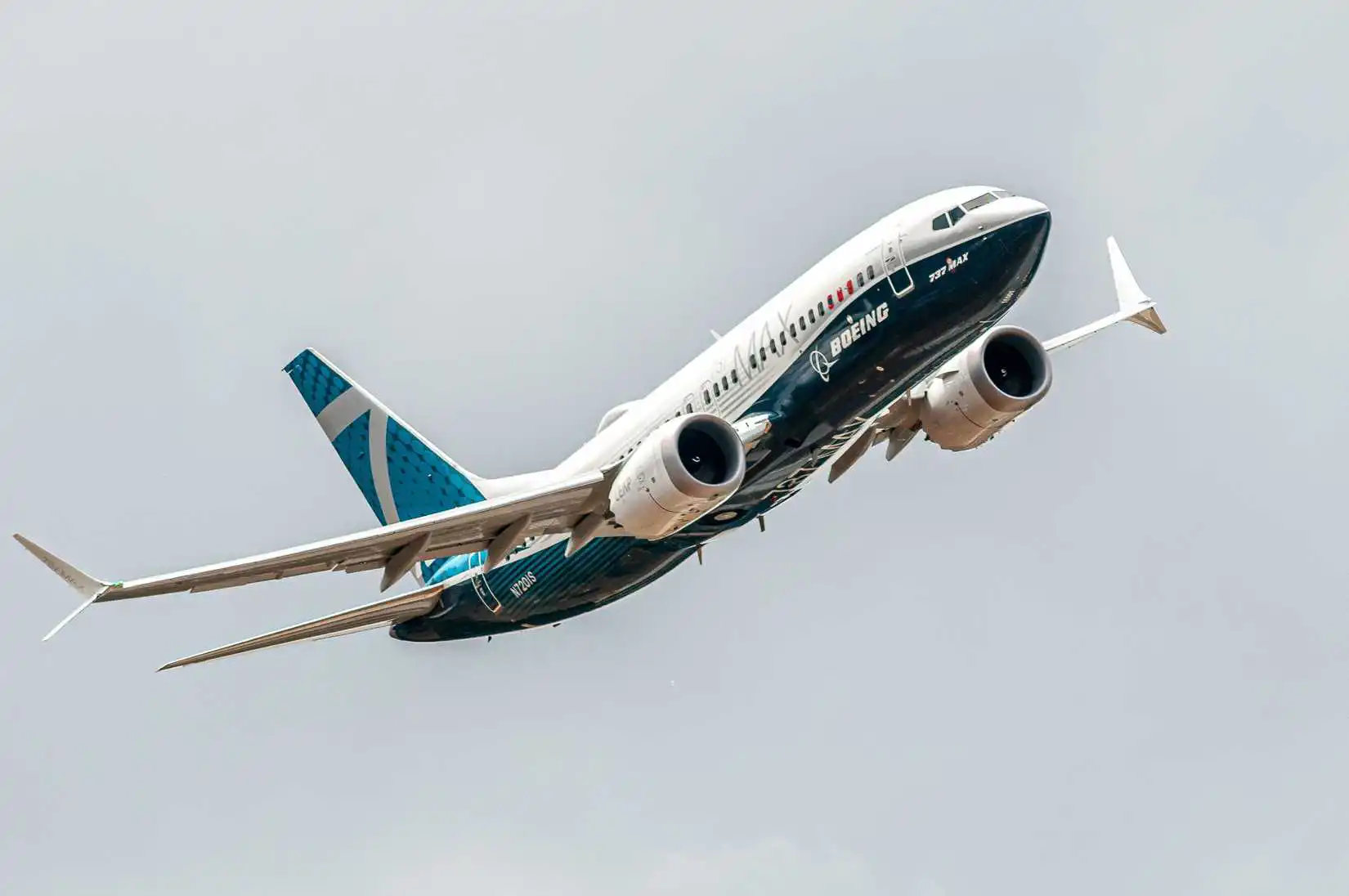
The Boeing 737 MAX 7 has officially reached a major milestone after the Federal Aviation Administration (FAA) granted the aircraft its amended type certificate, ending an unusually long certification campaign for the smallest member of Boeing’s MAX family. The approval allows Boeing to manufacture the aircraft under its existing production certificate and moves the program closer to commercial operations after years of regulatory reviews, technical changes, and delays.
The certification marks the conclusion of a development process that began when Boeing first launched the MAX 7 with Southwest Airlines as its primary customer. Although the aircraft completed its first flight in March 2018, its planned entry into service was pushed back by several industry-wide events, including the global 737 MAX grounding, the COVID-19 pandemic, and stricter certification requirements introduced after two fatal MAX 8 accidents.
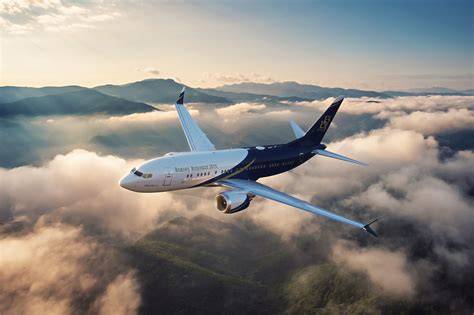
The FAA approval followed a comprehensive testing campaign involving more than 1,000 hours of flight and ground testing, along with extensive safety evaluations, system reviews, and human-factors assessments. Boeing engineers were required to demonstrate that the aircraft met updated certification standards while addressing technical concerns discovered during development.
One of the final challenges involved the aircraft’s engine anti-ice system, a component shared across multiple 737 MAX variants. Boeing identified a potential overheating condition that could occur if the system operated for extended periods in dry atmospheric conditions. The manufacturer redesigned the system to eliminate the risk, and the updated configuration will also be incorporated into other MAX models, including future production 737 MAX 8s, MAX 9s, and MAX 10s.
Boeing 737 MAX 7 Certification Ends Years of Delays
The journey to certification was considerably longer than Boeing originally expected. When the first MAX 7 prototype flew in 2018, Boeing anticipated delivering the aircraft to Southwest within months. However, the timeline changed dramatically after the worldwide grounding of the 737 MAX fleet in 2019.
The grounding led regulators to introduce additional oversight and more demanding certification procedures. Boeing also faced increased scrutiny over aircraft design processes, software development, manufacturing quality, and safety management practices. These factors transformed what was expected to be a straightforward variant approval into one of the company’s most closely examined certification programs.
Boe Boeing Commercial Airplanes President and CEO Stephanie Pope said the certification demonstrated the strength of the aircraft’s design process and recognized the efforts of Boeing’s engineering and testing teams. The company emphasized that employees worked through regulatory changes, pandemic-related disruptions, and technical challenges to complete all required evaluations.
The final FAA approval represents more than just another aircraft certification. It demonstrates Boeing’s ability to complete a highly scrutinized program while rebuilding confidence among regulators and airline customers following one of the most difficult periods in the company’s commercial aviation history.
Southwest Airlines Becomes the Key Operator for the 737 MAX 7
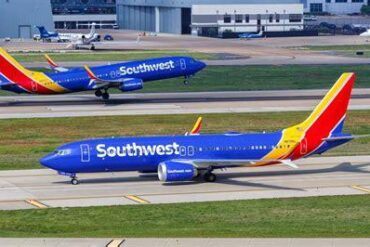
No airline has invested more heavily in the 737 MAX 7 than Southwest Airlines. The carrier currently holds approximately 258 firm orders for the aircraft, making it the central customer behind the program’s development.
Southwest plans to use the MAX 7 primarily as a replacement for its aging fleet of Boeing 737-700 aircraft. The new aircraft provides the airline with improved fuel efficiency, extended range capability, and a smaller seating capacity compared with the larger MAX 8, allowing Southwest to better match aircraft size with passenger demand.
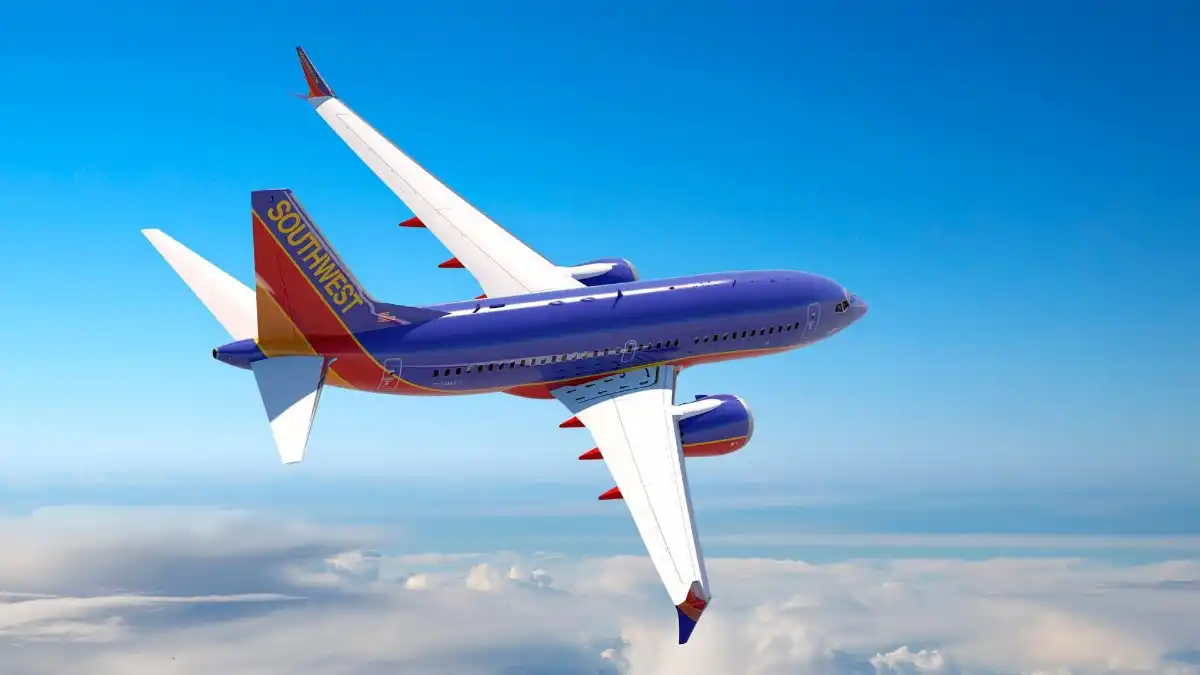
For years, the certification delay created operational challenges for Southwest. The airline often had to use larger aircraft, including the 737 MAX 8 and 737-800, on routes where fewer seats would have been more efficient. The MAX 7 will give Southwest additional flexibility by allowing it to maintain its single-aircraft-family strategy while improving capacity planning.
Instead of introducing another aircraft type such as the Airbus A220, Southwest can continue operating an all-Boeing 737 fleet. This simplifies pilot training, maintenance procedures, and operational planning while maintaining the company’s long-standing fleet philosophy.
Beyond Southwest, the MAX 7 orderbook remains relatively limited. Other customers connected with the aircraft include Allegiant Air, Luxair, Ruili Airlines, and SkyUp Airlines. Luxair is expected to become the European launch operator for the variant, while other airlines have retained flexibility to adjust their future MAX configurations.
Stored Boeing 737 MAX 7 Aircraft Can Now Move Toward Delivery
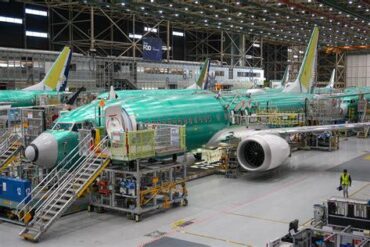
The FAA certification also allows Boeing to begin completing aircraft that have already been produced but were waiting for regulatory approval. Industry data suggests that approximately 30 MAX 7 aircraft have already been assembled and remain in storage.
Before delivery, Boeing must update those aircraft to the final certified configuration, complete customer-specific modifications, and receive individual airworthiness certificates. Once finished, these aircraft can be transferred to customers, helping Boeing reduce inventory and generate revenue from completed aircraft.
The ability to deliver stored aircraft is particularly important as Boeing continues working through production challenges across its commercial aircraft programs. Each completed delivery helps improve cash flow while reducing the number of unfinished aircraft occupying factory and storage space.
The MAX 7 certification also supports Boeing’s broader strategy for the entire 737 MAX family. The aircraft shares important systems and regulatory developments with the larger 737 MAX 10, which remains the final MAX variant awaiting certification.
Boeing 737 MAX 10 Certification Will Follow in 2026
While the MAX 7 approval is an important achievement, Boeing’s larger challenge remains the certification of the 737 MAX 10. The aircraft has more than 1,500 orders worldwide, making it one of the most commercially important models in Boeing’s future narrowbody lineup.
The MAX 10 is designed to compete directly with the highly successful Airbus A321neo, which dominates the upper end of the single-aisle market. With greater seating capacity than the MAX 9, the aircraft is intended to serve high-demand routes where airlines need additional passenger volume without moving to widebody aircraft.
Boeing has completed final certification flight testing for the MAX 10 and expects approval during 2026, with initial deliveries planned for 2027. The company hopes that completing both remaining MAX certifications will strengthen the competitiveness of the 737 family against Airbus.
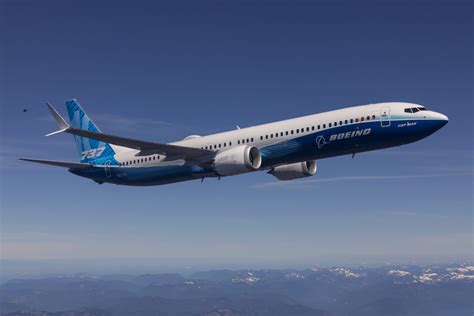
The completion of the MAX 7 program removes one of the longest-running unfinished projects in Boeing’s commercial aircraft portfolio. Although the aircraft will likely never match the sales volume of the MAX 8, it fills an important role by offering airlines a smaller, efficient, and longer-range narrowbody option.
After eight years of development, regulatory reviews, and engineering changes, the Boeing 737 MAX 7 is finally ready to move from certification testing into airline operations. Southwest’s first deliveries are expected in 2027, marking the beginning of a new chapter for the smallest member of Boeing’s next-generation single-aisle family.