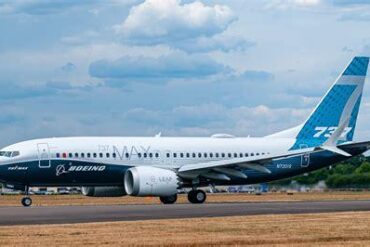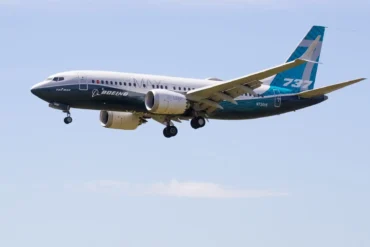
Boeing appears to be on the verge of reaching one of its most significant regulatory milestones in years, with reports indicating that the Boeing 737 MAX 7 could receive Federal Aviation Administration (FAA) certification before the end of the month. If approved, the smallest member of the 737 MAX family will finally be cleared to enter commercial service after years of delays, engineering reviews, and regulatory scrutiny. For Boeing, the decision would represent another important step in rebuilding confidence following the crises that have overshadowed the MAX program. For airlines, particularly Southwest Airlines, certification would unlock hundreds of long-awaited aircraft that are central to future fleet planning.
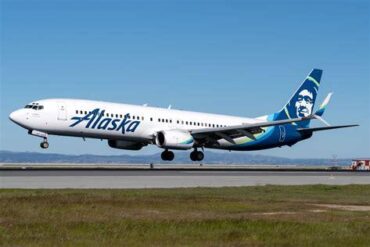
The expected approval arrives after an extended certification campaign that has stretched far beyond Boeing’s original schedule. Regulatory oversight intensified following the two fatal 737 MAX accidents that led to the worldwide grounding of the aircraft family in 2019. Additional quality concerns, including the Alaska Airlines door-plug incident earlier this year, further increased FAA scrutiny over Boeing’s manufacturing processes. Against that backdrop, certification of the MAX 7 would demonstrate that the aircraft has successfully satisfied the regulator’s demanding safety requirements before carrying its first paying passengers.
Although the 737 MAX 7 is the smallest aircraft within the MAX lineup, its importance extends well beyond seating capacity. The aircraft combines the latest CFM LEAP-1B engines, improved aerodynamics, and upgraded flight systems with the proven 737 platform that has served airlines for more than six decades. Its efficiency makes it particularly attractive for carriers operating high-frequency domestic networks where lower operating costs and improved fuel economy can produce meaningful savings over thousands of annual flights.
Why FAA Certification Represents A Major Turning Point For Boeing
FAA approval would mark much more than another aircraft certification. It would reinforce Boeing’s gradual recovery after several years dominated by investigations, production restrictions, and intense regulatory oversight. The manufacturer has spent considerable resources strengthening quality control, redesigning manufacturing processes, and rebuilding trust with regulators worldwide.
Certification would also strengthen Boeing’s broader production strategy. The company recently opened another 737 MAX production line in Everett, Washington, reflecting confidence that future deliveries will steadily increase as regulatory approvals continue. Boeing ultimately hopes to raise production rates to satisfy the enormous global demand for new single-aisle aircraft, a market segment that continues to expand despite recent industry challenges.
For Boeing executives, the MAX 7 represents one of several certification objectives expected to shape the company’s recovery through the remainder of the year. Company leadership has repeatedly described upcoming regulatory approvals as the light at the end of the tunnel, signaling optimism that years of uncertainty may finally be giving way to a more stable production environment.
Southwest Airlines Stands To Benefit The Most
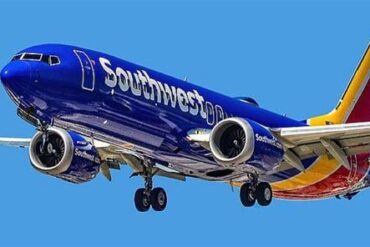
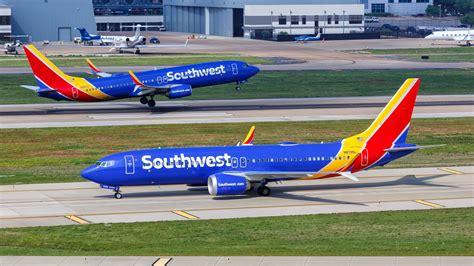
No airline has a greater interest in the MAX 7 than Southwest Airlines. As the launch customer and largest buyer of the variant, the Dallas-based carrier has built much of its future fleet strategy around the aircraft. Southwest currently has more than 258 MAX 7s on order, making certification an essential milestone for both operational planning and long-term growth.
The airline continues operating a substantial fleet of aging 737-700 aircraft, many of which have now exceeded two decades of service. Replacing those aircraft with the more efficient MAX 7 promises lower fuel consumption, reduced maintenance expenses, improved environmental performance, and enhanced passenger comfort. Those improvements become increasingly valuable as airlines seek to manage operating costs while maintaining competitive fares.
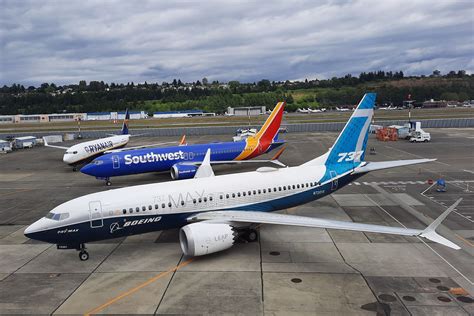
More than twenty completed MAX 7 aircraft are already built and awaiting certification at Boeing’s storage facilities in Moses Lake, Washington. Once regulatory approval is granted, those aircraft can begin the delivery process, allowing Southwest to gradually modernize one of the world’s largest all-Boeing fleets.
Entry Into Passenger Service Will Still Take Time
Despite the anticipated certification, travelers should not expect to board the MAX 7 immediately. Southwest has indicated that commercial operations are unlikely to begin before early 2027, even after deliveries commence. Airlines must complete pilot training, maintenance preparation, operational certification, fleet integration, and aircraft acceptance procedures before introducing a new aircraft type into scheduled service.
Other airlines also stand to benefit from certification. WestJet and Allegiant Air both have MAX 7 orders and are closely monitoring Boeing’s progress. Looking further ahead, Boeing continues working toward certification of the larger 737 MAX 10, another highly anticipated variant whose biggest customers include United Airlines and Delta Air Lines.
Certification Could Signal Renewed Momentum For The MAX Family
With the 737 MAX 8 and 737 MAX 9 already serving airlines worldwide, certification of the MAX 7 would leave only the MAX 10 awaiting regulatory approval. Completing another certification milestone would provide reassurance to airline customers that Boeing’s narrowbody roadmap remains on track despite years of setbacks.
While certification alone will not erase Boeing’s recent challenges, it would represent tangible progress backed by regulatory approval rather than corporate promises. For Southwest Airlines and other customers awaiting deliveries, the decision could finally transform years of planning into fleet expansion. If FAA approval arrives before the month’s end, Christmas may indeed come early for Boeing, even if passengers must wait until 2027 before experiencing the newest member of the 737 MAX family in regular commercial service.