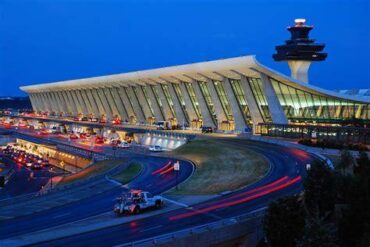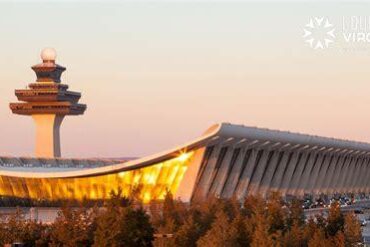
Washington Dulles International Airport (IAD), the nation’s capital’s premier international gateway, is once again under the microscope as the Federal Aviation Administration (FAA) begins a comprehensive review of its long-envisioned fifth runway project. Initially included in master planning documents as early as the 1950s and formalized in the 1985 Master Plan, this runway is part of a larger, transformative 25-year redevelopment strategy poised to modernize and expand the airport’s capacity and infrastructure.
FAA Reviews 25-Year Expansion Blueprint at Dulles
The Metropolitan Washington Airports Authority (MWAA) officially approved the plan on July 16, forwarding it to the FAA for environmental and operational review. The expansion blueprint extends far beyond the proposed runway, encompassing new terminal buildings, expanded retail and office zones, high-capacity taxiways, and even new hotel developments. This ambitious undertaking signals a renewed commitment to making Dulles a competitive, globally connected air travel hub.
Strategic Importance of the Fifth Runway
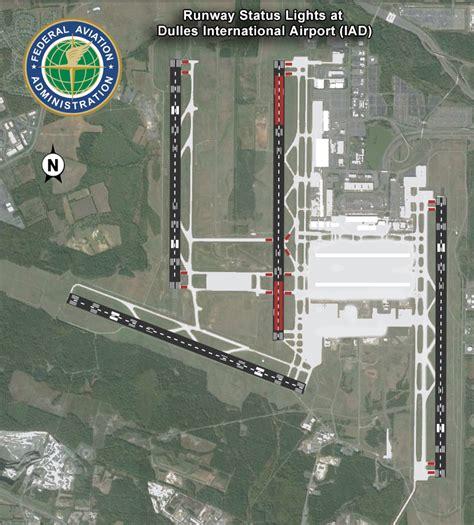
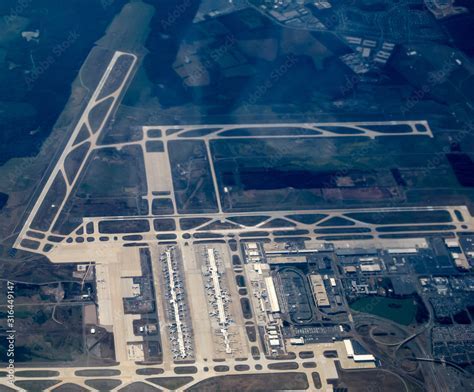
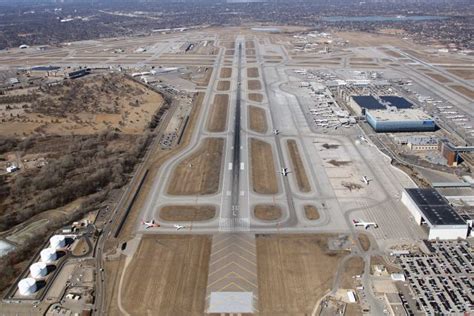
Currently, Dulles operates four runways:
- Runway 01L/19R – 9,400 ft
- Runway 01C/19C – 11,500 ft
- Runway 01R/19L – 11,500 ft
- Runway 12/30 – 10,500 ft (to be renamed 12L/30R)
The fifth runway, designated 12R/30L, will span 10,500 feet long and 150 feet wide, positioned parallel to U.S. Route 50, just south of the existing east-west runway. It will be fully equipped with Instrument Landing System (ILS) capabilities, high-speed exit taxiways, and new connector taxiways to maximize operational flexibility.
The east-west orientation is critical. Currently, Runway 12/30 is the sole east-west configuration, and during adverse weather, especially high crosswinds, the north-south runways become less viable. The second east-west runway will not only serve as a redundant option but will also increase air traffic capacity and reduce delays.
Dulles’ Vision: From Concrete to Commerce
The expansion master plan is more than just concrete. The airport’s surrounding infrastructure will receive a complete overhaul, including:
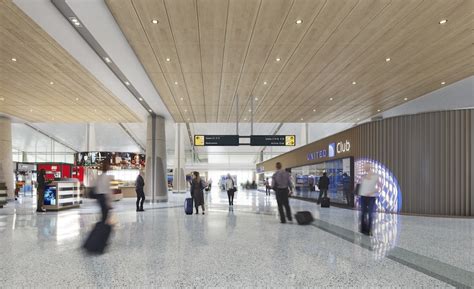
- Retail and dining zones integrated into concourses
- Office complexes to boost non-aeronautical revenue
- New terminal building to support growing demand
- On-site hotels tailored to business travelers and international transit passengers
All of these elements are geared towards turning Dulles into a multifunctional transportation and business hub, not just an aviation facility.
The Operational Logic Behind the Runway Location
Runway 12R/30L will not only mirror its northern counterpart in name, but also in function. Positioned south of the current 12/30 runway, the two parallel runways will allow for simultaneous takeoffs and landings, greatly enhancing throughput.
This placement near US Route 50 ensures minimal disruption to existing airside infrastructure and allows for efficient construction staging. The inclusion of direct taxiway access to the north-south system further ensures that traffic flows will remain smooth even during peak operations.
Tackling Noise and Community Pushback
The fifth runway doesn’t come without complications. Loudoun and Fairfax Counties—two of the wealthiest and most politically active in the U.S.—are raising concerns primarily over noise pollution. Increased aircraft operations would elevate ambient noise levels, particularly in residential zones that have expanded steadily since the airport’s original construction.
The MWAA is working with community boards and environmental agencies to mitigate concerns through:
- Revised flight paths to avoid densely populated areas
- Time-based restrictions for night operations
- Zoning regulations to prevent future developments in noise-sensitive areas
Economic Justification: Why Dulles Needs This Runway
Dulles handles more than 500,000 aircraft movements annually and is the base of a major United Airlines hub, responsible for a large share of international and transcontinental flights. The FAA’s review is not just about compliance—it’s about enabling the airport to meet projected growth.
According to MWAA projections:
- Passenger traffic will surpass 40 million annually within five years
- Cargo operations are growing due to Amazon Air and DHL’s expanded presence
- International flights have increased by 18% since 2019, driven by resurgent post-COVID demand
Without added capacity, bottlenecks will become more frequent, resulting in delays, higher operating costs, and a diminished passenger experience.
Reagan vs. Dulles: The Domestic Travel Challenge
Despite its stature, Dulles is not the primary domestic airport for Washington D.C. That role falls to Ronald Reagan National Airport (DCA), located closer to downtown and shielded by a 1,250-mile federal perimeter rule.
This rule restricts long-haul domestic operations at Reagan, funneling coast-to-coast and international flights to Dulles. Still, Dulles faces a public perception challenge: longer commute times and older infrastructure have historically hindered its popularity for short-haul travelers.
The 25-year plan aims to fix this by making Dulles not just functional, but desirable, with seamless access, elevated amenities, and high-frequency domestic connectivity.
Infrastructure Additions Beyond the Runway
Among the other vital projects included in the expansion are:
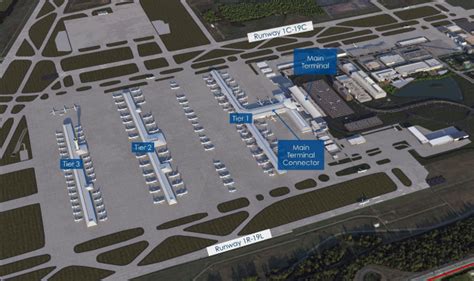
- Reconstruction of midfield concourses to align with newer gate design standards
- Integration of biometric security systems for faster processing
- Upgrade of people movers, though the iconic mobile lounges will remain
- Sustainable energy systems including solar panels and energy-efficient lighting
The Final Hurdles: Environmental & Political Approval
For the plan to proceed, the FAA’s review must encompass several key areas:
- Environmental impact statements (EIS) per NEPA requirements
- Airspace redesign to accommodate new departure and arrival flows
- Safety assessments for simultaneous operations
- Public consultation rounds in Virginia counties
While FAA approval is a pivotal milestone, the real determinant of success lies in local political will. With enough community resistance, even federally cleared projects can stagnate for years.
What This Means for the Future of U.S. Aviation Hubs
The Dulles expansion offers a blueprint for what major airports must become: multi-use, high-capacity, and passenger-centric ecosystems. As international hubs like Atlanta Hartsfield, JFK, LAX, and Dallas-Fort Worth race toward modernization, Dulles’ fifth runway signals that Washington is not willing to be left behind.
If approved and constructed on schedule, Runway 12R/30L could be operational by the early 2030s, ushering in a new era for Mid-Atlantic air traffic and global connectivity.
Conclusion: The Sky’s the Limit—Pending FAA Green Light
Washington Dulles International Airport’s plan for a fifth runway is not just about accommodating more planes. It’s about future-proofing one of America’s most vital international gateways. From weather resilience and operational efficiency to community sensitivity and economic expansion, the stakes are high. As the FAA deliberates, all eyes remain on Dulles, waiting for a signal that the next generation of U.S. aviation infrastructure is ready for takeoff.