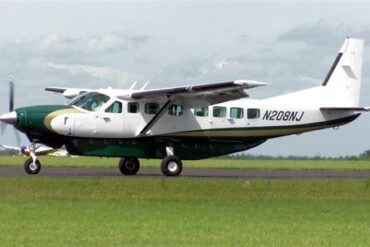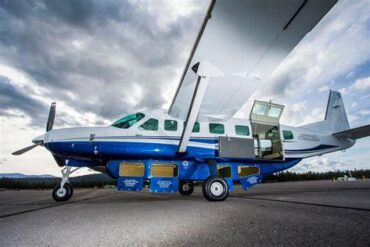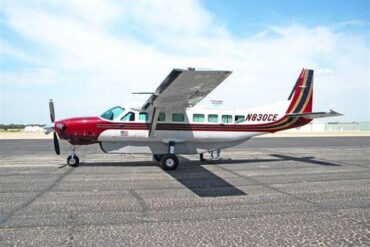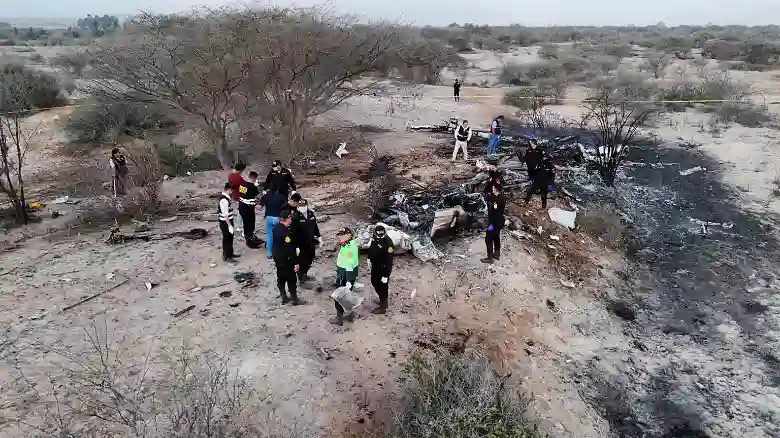
A Cessna 208B Grand Caravan sightseeing aircraft crashed near Peru’s famous Nazca Lines on Saturday, killing all 13 people aboard. The aircraft, registered as OB-2001, was operating a tourist overflight of the UNESCO World Heritage Site when it went down in a field in the southern Ica region.
The aircraft departed from Capitán FAP Renán Elías Olivera Airport (PIO) at approximately 12:10 PM local time for a scenic flight over the ancient geoglyphs. Around 50 minutes later, the crew reported an emergency while flying near the town of Socos, before the aircraft crashed at approximately 1:20 PM.
Authorities confirmed that the victims included 11 foreign tourists and two Peruvian pilots. Among the passengers were seven Italian nationals, two Spanish tourists, and two German visitors. The pilots were identified as Américo Salazar and Irenka Guanilo del Carpio.
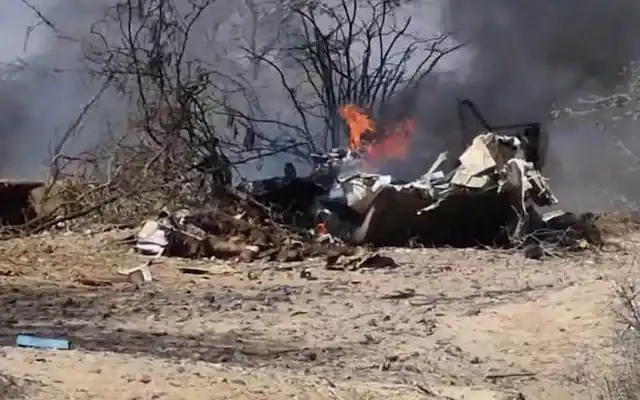
The crash site was located roughly four miles from the city of Nazca and about 12 miles from the Nazca Lines archaeological area. Local reports indicated that the aircraft caught fire after impact, leaving emergency responders with a difficult recovery operation.
Investigation Begins Into Fatal Nazca Scenic Flight Accident
The cause of the crash remains unknown, with Peru’s Directorate General of Civil Aviation (DGAC) and the country’s Aviation Accident Investigation Commission leading the investigation.
Initial information suggests that the accident occurred as the aircraft was beginning its return journey after completing the sightseeing route. Investigators are expected to examine flight data, aircraft maintenance records, pilot experience, weather conditions, and operational procedures as they attempt to determine what caused the aircraft to lose control.
Weather conditions may become an important part of the investigation. Scenic flights from nearby María Reiche Neuman Airport (NZC) had reportedly been suspended the previous day because of strong winds in the region. Investigators will analyze whether changing weather conditions contributed to the emergency situation.
The operator, Aerodiana, said it was cooperating fully with authorities and expressed condolences to the families of those killed. The company stated that safety had always been a central commitment during its 18 years of operations and that the accident had deeply affected its employees.
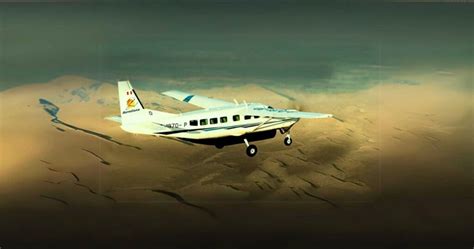
Aerodiana Operated the Cessna Grand Caravan Used in the Flight
The aircraft involved was a 15-year-old Cessna 208B Grand Caravan, one of three Grand Caravan aircraft operated by Aerodiana from its base in Pisco. The company specializes in flights that allow tourists to view the massive Nazca Lines designs from the air.
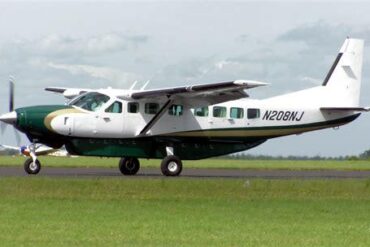
The Cessna 208B Grand Caravan is among the world’s most widely used single-engine turboprop aircraft. Designed for passenger transport, cargo operations, skydiving missions, and regional aviation, the aircraft has built a reputation for versatility and reliability.
Powered by a Pratt & Whitney PT6A turboprop engine, the Grand Caravan can typically carry up to 14 passengers depending on configuration. It has a cruise speed of around 186 knots and a maximum range of approximately 1,070 nautical miles.
The original Caravan first flew in 1982 and entered production in 1984. More than 3,000 aircraft from the Caravan family have been produced, making it one of the most successful utility aircraft designs in modern aviation.
Nazca Lines Scenic Flights Have Faced Previous Safety Concerns
The fatal crash is the latest in a series of accidents involving sightseeing flights over the Nazca Lines. The region has experienced several deadly incidents since 2008, raising repeated concerns about aviation safety standards among local operators.
In 2022, seven people died in another sightseeing flight accident. Earlier crashes in 2010 also resulted in multiple fatalities, including a February accident that killed seven people and an October crash that killed four British tourists and two Peruvian pilots.
Following those incidents, Peruvian authorities introduced stricter oversight measures. Some operators faced regulatory reviews, and sightseeing flights were temporarily suspended while aviation officials examined compliance with safety requirements.
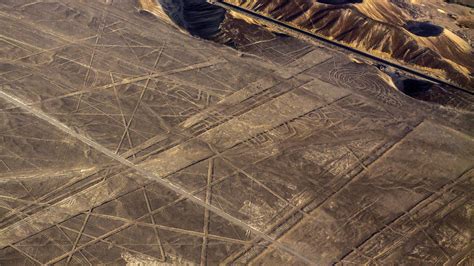
The popularity of Nazca Lines flights has continued despite these challenges. The ancient drawings attract around 100,000 visitors annually, creating a major tourism industry centered around aerial viewing experiences.
Several companies operate flights in the region, including AirMajoro, Aero Paracas, Aero Nasca, Alas Peruanas, and MovilAir.
Deadliest Accident Involving Nazca Lines Sightseeing Flights
Saturday’s crash represents the deadliest accident connected with Nazca Lines sightseeing operations. The tragedy has renewed attention on the balance between tourism demand and aviation safety in one of Peru’s most recognizable destinations.
Investigators will now focus on determining whether the accident resulted from mechanical failure, weather conditions, operational factors, or another cause. Until the official investigation is completed, authorities have not identified any specific reason for the aircraft’s emergency declaration or subsequent crash.
For the families of the victims, the investigation will be closely watched as they seek answers about why a routine sightseeing flight over one of the world’s most famous archaeological landmarks ended in such a devastating loss.