Buyers who run the numbers in 2026 keep arriving at the same conclusion: a modern executive turboprop costs roughly 30% to 45% less to own and operate than a comparable light jet on an hourly direct-cost basis, and the gap can stretch past $400,000 a year at 300 flight hours once fixed overhead is included. That headline figure, however, hides a second, more useful truth. The turboprop’s advantage is not uniform. It is largest on short regional sectors and narrows steadily as stage length grows, which means the real question is not whether a turboprop is cheaper, but at what mission length the savings stop paying for the compromises.
The comparison matters because the two categories overlap far more than their marketing suggests. Both reach regional airfields, both carry six to nine passengers in comparable comfort, and both are flown by a single pilot in many configurations. Yet their financial engines run on entirely different physics. Turboprops convert fuel into thrust through propellers at lower altitudes and lower speeds; light jets chase cruise efficiency at 40,000 feet and beyond. Everything that follows, from fuel burn to insurance premiums to the number of minutes saved on a 350-nautical-mile trip, flows from that single thermodynamic difference.
Direct Operating Cost Per Hour: Where the Turboprop Wins
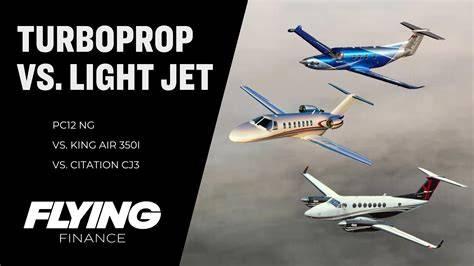
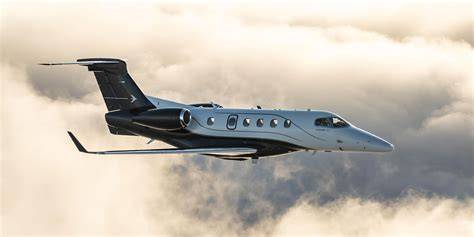
Start with the variable costs that accrue every time the wheels leave the ground. Pilatus PC-12 operators typically see direct operating expenses near $1,100 per flight hour, while the twin-engine Beechcraft King Air 350i averages roughly $1,500 per hour. On the jet side of the ledger, a Cessna Citation CJ3+ runs about $2,200 per hour, and an Embraer Phenom 300E climbs closer to $2,600 per hour once fuel, engine reserves, and scheduled airframe maintenance are fully accounted for.
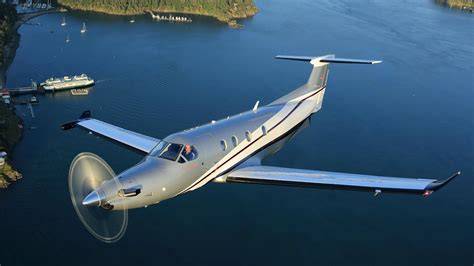
Multiply those figures by a realistic 300-hour annual profile and the PC-12 owner spends near $330,000 in direct variable expenses, while the Phenom 300E owner crosses $780,000 for the same hours flown. Fuel burn explains most of that spread. A PC-12 sips roughly 66 gallons per hour at cruise, the King Air 350i consumes about 120 gallons per hour, the CJ3+ around 150, and the Phenom 300E as much as 180. Because Jet-A pricing in 2026 has settled into a range that rewards efficiency rather than punishing it, the turboprop’s lower burn rate translates directly into a lower fuel line on the income statement, and that line compounds across every year of ownership rather than resetting annually.
Maintenance reserves amplify the effect. Power-by-the-hour programs and propeller overhaul schedules create predictable, modest recurring costs on well-established turboprops, whereas high-speed jet airframes demand more frequent inspections, hotter-section engine work, and insurance underwriters’ premiums calibrated to higher hull values and faster approach speeds. Insurance alone can differ by thousands of dollars annually between a single-engine turboprop and a light jet of similar cabin size.
Speed, Altitude, and the Cost of Getting There Faster
The premium buys performance that is genuinely valuable in the right circumstances. Light jets cruise above 450 knots with service ceilings beyond 40,000 feet, while turboprops trade top-end velocity for fuel economy and field versatility, cruising at 290 to 312 knots between 25,000 and 30,000 feet. On a long sector the jet’s speed advantage is not cosmetic; it is a direct reduction in block time, crew duty cost, and passenger fatigue that can justify the higher hourly run-rate.
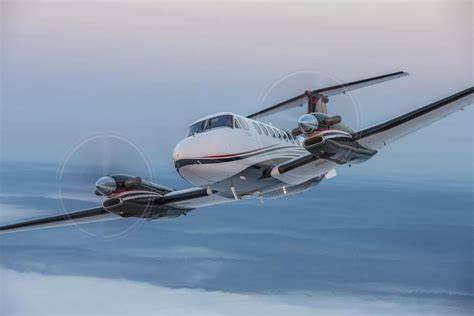
That advantage erodes on short legs. On a 350-nautical-mile trip, a King Air 350i and a Citation CJ3+ often finish within 15 minutes of each other in block time once taxi, departure sequencing, and air traffic control vectors are folded in. The jet still burns considerably more fuel and accumulates more maintenance hours to deliver a difference passengers rarely notice. Paying a 40% to 60% hourly premium for a light jet on a hop of that length is, from a pure cost-discipline standpoint, difficult to defend.
The Fixed Annual Overhead Nobody Quotes First
Hourly figures tell only half the story. Fixed annual overhead for a PC-12 class aircraft lands near $155,000 per year, a twin turboprop such as the King Air 350i near $220,000, a CJ3+ around $280,000, and a Phenom 300E closer to $310,000. Those numbers capture hangar space, crew salaries or management fees, recurrent training, insurance, subscriptions, and the depreciation of a hull worth more than the turboprop’s. For a first-time buyer comparing purchase prices, this is the line item that most often overturns an otherwise confident decision.
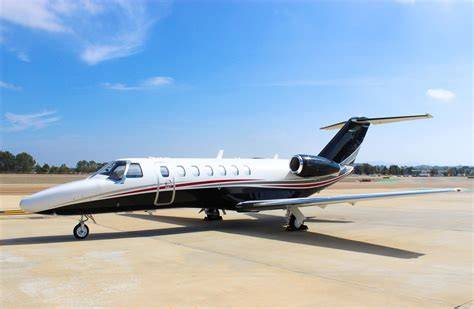
Combine fixed and variable spend at 300 hours and the picture becomes stark. A PC-12 owner faces roughly $485,000 in total annual cost; a Phenom 300E owner faces $1.09 million or more. That gap of well over half a million dollars is the number that should anchor any acquisition analysis, because it represents capital that could fund a second aircraft, additional crew, or a decade of charter supplementation for the days the turboprop cannot serve the mission.
Matching Stage Length to Airframe
The break-even point sits higher than most buyers expect. Below 400 nautical miles, light jets spend a disproportionate share of their flight time climbing and descending, forfeiting the speed they paid for and delivering negligible door-to-door savings. Between 400 and roughly 800 nautical miles, the balance shifts gradually as cruise time overtakes climb and descent. Beyond 800 nautical miles, a Phenom 300E at 464 knots completes the sector in under two hours while a 290-knot turboprop needs nearly two hours and 45 minutes, and the jet’s value becomes tangible: the turboprop’s extra time in the air erodes its fuel and maintenance advantage on that specific trip while costing passengers productive hours.
When a Light Jet Is the Right Purchase
For operators whose routine missions run beyond 800 nautical miles, or who must overfly mountain passes and continental weather systems on tight schedules, the light jet’s upper-tier service ceiling and cabin pressurization differential convert its extra expenditure into real operational capability. A Phenom 300E flying at FL410–FL450 sits comfortably above the turbulence and icing layers that a turboprop cruising at 25,000 to 30,000 feet must navigate tactically. Buyers who cannot absorb weather delays or who regularly fly transcontinental sectors should treat the jet premium as the price of schedule reliability rather than a luxury.
The Caveats a Turboprop Buyer Must Price In
The financial case for turboprops is not unconditional. Lower cruise ceilings place them in regional weather, which makes advanced de-icing equipment, radar routing discipline, and pilot skill non-negotiable. Single-engine platforms face insurance and operational restrictions for commercial night or overwater flights in certain jurisdictions, and passenger hesitation over oceanic routes is a real commercial factor. Propeller blade inspections and governor overhauls add recurring maintenance absent from jet turbofans, though Pratt & Whitney PT6 reliability and comprehensive coverage programs have made those costs predictable. Twin-engine turboprops mitigate the redundancy concern but burn enough extra fuel to narrow the hourly advantage against entry-level jets like the Citation M2.
The 2026 Verdict
For operators whose typical routes fall under 500 nautical miles and who value runway availability including grass, unpaved, and short mountain strips, a PC-12 or King Air 350i delivers most of a light jet’s practical utility at a substantially lower share of total operating cost. The savings are not marginal; they are structural, rooted in fuel burn, maintenance complexity, and insurance underwriting. Buyers who fly longer sectors or need above-weather capability should pay for the jet and stop apologizing for it. The disciplined approach in 2026 is to tally true annual stage lengths, price both aircraft against the same 300-hour profile, and let the mission decide, because the airframe that wins on a spreadsheet and the airframe that wins on a Tuesday morning are not always the same aircraft.