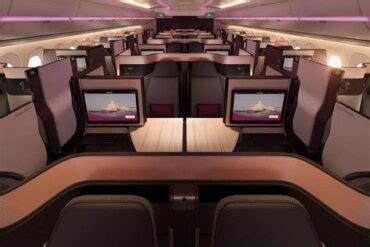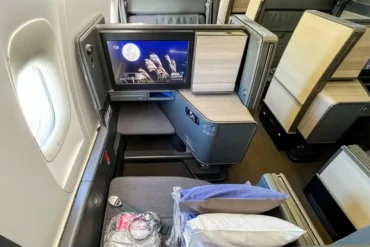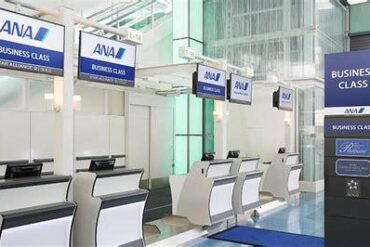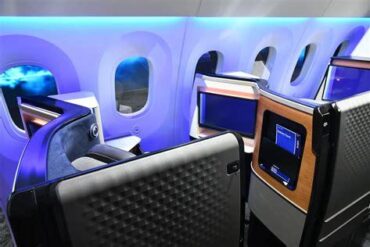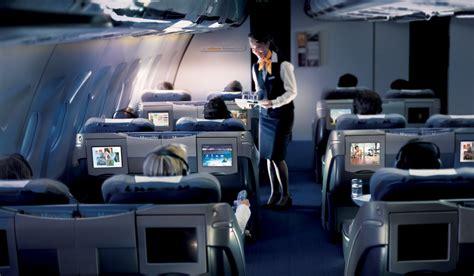
Air travel has always carried a quiet hierarchy. At the front of the aircraft sits business class, a space of wide seats, elevated service, and the promise of arriving far more rested than those behind the curtain. For many travelers seated in economy class, the idea of moving forward into that premium cabin at the last minute feels like discovering a secret door inside the airport. The strategy seems simple: buy a cheaper ticket first, then attempt a business class upgrade at check-in for a fraction of the original fare.
The appeal of this tactic has grown stronger as airlines increasingly advertise upgrade opportunities during online check-in, through mobile apps, and even at airport kiosks. Travelers sometimes report surprisingly low offers appearing just hours before departure. Stories circulate about long-haul upgrades costing only a few hundred dollars instead of several thousand. Naturally, curiosity follows: does upgrading at check-in actually cost less, or is the supposed bargain mostly myth?
The answer lives in the complex ecosystem of airline revenue management, a field that blends mathematics, economics, and behavioral psychology. Airlines constantly adjust prices to maximize profit on every flight. A business class seat is not simply a chair; it is a dynamic asset whose value changes minute by minute depending on demand, timing, and passenger behavior. Understanding how that system works reveals why some travelers score astonishing upgrade deals while others encounter unexpectedly high prices.
In practice, upgrading at check-in can indeed cost less than purchasing business class outright. Yet the outcome depends heavily on variables such as seat availability, route demand, airline strategy, and frequent-flyer status. Sometimes the price drops dramatically in the final hours before departure. Other times the premium cabin sells out long before check-in begins, leaving no opportunity to upgrade at all.
The fascinating reality is that the airport upgrade desk sits at the very end of a long chain of pricing decisions that began months earlier when the flight first went on sale. To understand whether check-in upgrades are truly cheaper, it helps to examine how airlines manage premium cabin inventory and why those prices shift so dramatically as departure approaches.
Why Airlines Offer Discounted Business Class Upgrades Near Departure
Airlines operate with a single goal in mind: maximize revenue per flight. Each aircraft leaves the gate only once, and any empty seat represents lost income that can never be recovered. This economic pressure explains why airlines sometimes reduce upgrade prices as departure time approaches.
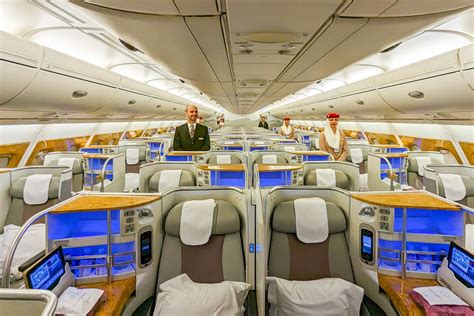
Business class seats are among the most profitable products airlines sell. On many long-haul routes, a full business class ticket may cost three to five times more than an economy fare. Yet demand for those seats fluctuates. Corporate travel budgets change, conferences get canceled, and passengers alter their plans. As a result, even premium cabins occasionally depart with unoccupied seats.
From the airline’s perspective, an empty business class seat generates exactly zero revenue. Offering an upgrade to an economy passenger for a few hundred dollars suddenly transforms that empty space into additional profit. Even if the price is far below the original ticket cost, the airline still benefits financially.
This is why travelers sometimes encounter discounted upgrade offers during online check-in or at airport counters. The airline’s systems analyze booking patterns and determine whether lowering the upgrade price could fill remaining seats. If the algorithm predicts that those seats would otherwise go empty, it may trigger a lower-priced offer to passengers already booked on the flight.
However, the crucial detail is that airlines only reduce prices when unsold seats remain. If demand for business class is strong, the system has no reason to discount anything. In that scenario, upgrades may remain expensive or disappear entirely because the cabin is already full.
The Role Of Dynamic Pricing In Upgrade Costs
The modern airline industry runs on dynamic pricing, a sophisticated strategy that continuously adjusts fares and upgrade offers based on real-time demand. The concept resembles how hotel prices or ride-sharing fares change depending on availability and timing.
For airline upgrades, the system considers multiple pieces of information simultaneously. Booking data reveals how quickly seats are selling. Historical trends indicate how similar flights typically perform. Even factors such as holidays, trade shows, or seasonal travel patterns can influence the algorithm’s predictions.
Because of this complexity, two passengers on the same flight might receive different upgrade offers. One traveler might see a $350 upgrade while another is offered a seat for $700. These variations can arise from booking class differences, loyalty status, or personalized marketing strategies.
Dynamic pricing also explains why upgrade costs may fluctuate at different stages of the journey. An offer displayed a week before departure might look very different from the price presented during online check-in 24 hours before the flight. If bookings suddenly increase, the upgrade price can rise accordingly. If demand weakens, the price may drop.
The result is a system that behaves less like a fixed menu and more like a constantly shifting marketplace. For travelers hoping to experience business class without paying full fare, this unpredictability creates both opportunity and risk.
Key Factors That Influence Check-In Upgrade Prices
Several underlying forces determine whether a last-minute business class upgrade will feel like a bargain or a disappointment. These factors interact in complex ways, but a few patterns appear repeatedly across the airline industry.
One of the most influential elements is seat availability. If the business class cabin still has many empty seats close to departure, airlines become more willing to lower prices. A lightly booked flight may generate attractive upgrade offers simply because the airline prefers some revenue rather than none.
Another major factor is route demand. Flights connecting major financial centers—cities such as New York, London, Singapore, or Tokyo—often sell large numbers of premium tickets to corporate travelers. On these routes, business class cabins frequently fill weeks in advance. In such situations, economy passengers rarely see inexpensive upgrade opportunities because there are few seats left to sell.
Timing also plays a surprisingly important role. Upgrade offers may appear at several stages of the travel process:
- Shortly after booking through promotional emails
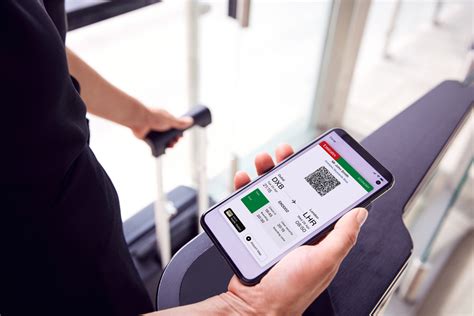
- In airline apps days before departure
- During online check-in
- At the airport check-in counter
- Occasionally at the boarding gate
Prices can shift between each stage. A deal that appears during online check-in might vanish by the time a traveler reaches the airport.
Frequent flyer status adds another layer of complexity. Airlines often reserve a portion of upgrade inventory for loyalty program members, especially elite travelers who accumulate large numbers of miles. Complimentary or mileage-based upgrades for these passengers may occur before the general public ever sees a paid offer.
How Airlines Present Upgrade Offers To Passengers
The airline industry has quietly transformed the way upgrades are sold. In the past, travelers typically asked about upgrades at the check-in counter. Today, airlines actively market these opportunities through digital platforms designed to capture spontaneous purchases.
After purchasing a ticket, passengers may receive email notifications offering discounted upgrades. Airline apps frequently display upgrade options alongside boarding passes or flight details. Some carriers even run upgrade bidding programs, allowing passengers to submit offers for premium seats.
These systems reveal how airlines view premium cabins as flexible inventory. Instead of relying solely on full-fare ticket sales, carriers now treat upgrades as an additional revenue stream. Every stage of the travel timeline becomes a chance to sell a higher-value product.
By the time travelers reach the airport, most upgrade opportunities have already been presented through earlier channels. The check-in counter therefore represents the final phase of the process, when the airline decides whether remaining seats should be discounted further or preserved for operational flexibility.
Comparing Check-In Upgrades With Other Upgrade Options
To judge whether a check-in upgrade costs more, it helps to compare it with the other upgrade pathways airlines offer throughout the booking journey.
Upgrading during the original ticket purchase is typically the most expensive option. At this stage, travelers are simply buying a business class ticket outright, and prices reflect the full premium value of the cabin.
Shortly after booking, airlines sometimes present targeted upgrade deals. These offers may already represent a discount because the airline knows the passenger has committed to the flight.
Upgrade bidding programs introduce another dynamic. Passengers submit a price they are willing to pay, and the airline accepts bids above a certain threshold. When successful, bidding can produce relatively low upgrade costs, though the outcome remains uncertain.
Check-in upgrades occupy a unique position in this sequence. By the time check-in opens, the airline has much more information about how full the flight will be. If several business class seats remain unsold, the system may display reduced upgrade prices to encourage last-minute purchases.
The absolute lowest prices occasionally appear at the boarding gate, when airlines make final attempts to fill empty premium seats. However, these opportunities are rare because many upgrades are already allocated earlier in the process.
When A Check-In Upgrade Becomes A Genuine Bargain
Under the right conditions, upgrading at check-in can deliver remarkable value. The ideal scenario occurs when a flight has excess business class capacity but strong demand in economy. In that case, airlines have a powerful incentive to convert economy passengers into paying premium customers.
Long-haul flights sometimes produce the most dramatic deals. A lie-flat business class seat on a transcontinental or intercontinental route might normally sell for several thousand dollars. If the cabin still contains unsold seats hours before departure, the airline may offer upgrades for a small fraction of that price.
Travelers occasionally report paying $300 to $600 for upgrades that originally cost several thousand dollars when purchased as full business class tickets. While such examples are not guaranteed, they illustrate the economic logic behind last-minute discounts.
Flights departing during off-peak travel periods also increase the odds of a bargain. Midweek departures, shoulder seasons, and routes with fluctuating demand are more likely to produce empty premium seats.
When those circumstances align, the check-in upgrade becomes something close to a travel jackpot: the comfort of business class purchased at a deeply reduced price.
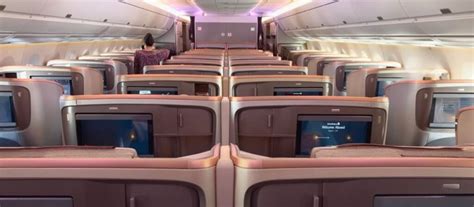
Hidden Limitations Of Some Airport Upgrade Deals
Not every upgrade sold at check-in provides the full business class experience. This detail surprises many travelers who assume that purchasing a premium seat automatically includes all associated perks.
In reality, some airlines sell seat-only upgrades. Passengers gain access to the business class cabin and its larger seat but may not receive every benefit normally included with a full business class ticket.
These differences can affect several aspects of the journey. Lounge access may remain unavailable. Baggage allowances might stay the same as the original economy ticket. Frequent flyer mileage earnings could also be lower than those associated with standard business class fares.
Policies vary widely between airlines, which makes reading the upgrade terms important before accepting the offer. While the improved seat and onboard service still represent a significant improvement over economy, the experience may not perfectly match that of a traveler who purchased business class from the beginning.
Why Some Flights Never Offer Cheap Upgrades
Many travelers attempt the check-in upgrade strategy only to discover that no discounted offers appear at all. The reason usually lies in simple supply and demand.
Certain routes consistently attract premium passengers. Flights between major financial hubs often carry executives, consultants, and corporate travelers whose companies pay for business class seats. On these routes, the premium cabin frequently sells out weeks or months in advance.
Seasonal travel patterns also matter. Holidays, major events, and peak vacation periods increase demand across all cabins. When both economy and business class fill quickly, the airline has little incentive to discount anything.
Frequent flyer upgrades further reduce availability. Elite loyalty members often receive complimentary upgrades before check-in opens. By the time standard passengers attempt to upgrade, the remaining seats may already be allocated.
The result is that some flights simply never reach the stage where airlines need to discount business class seats.
The Strategic Approach To Securing A Cheaper Upgrade
Travelers who consistently find attractive upgrade prices tend to follow a simple strategy: they monitor offers throughout the entire booking process rather than relying solely on check-in.
Airline apps and email notifications often reveal upgrade opportunities days before departure. Sometimes those early offers are already competitive with what appears at the airport. Accepting a reasonable price earlier in the process also eliminates the uncertainty of waiting.
Flexibility helps as well. Travelers willing to adjust departure dates or choose less crowded flights increase their chances of encountering unsold premium seats.
Ultimately, the most successful upgrade hunters treat the process like a probability game rather than a guaranteed hack. They watch the market, evaluate offers, and accept a deal when the price aligns with the value of the experience.
The Final Reality Of Check-In Business Class Upgrades
Upgrading to business class at check-in does not automatically cost more than upgrading earlier in the travel process. In many cases, the opposite is true. When airlines anticipate empty premium seats, they often lower prices during online or airport check-in to generate additional revenue.
Yet the system remains unpredictable. Demand, route popularity, seat availability, and loyalty programs all influence whether discounted upgrades appear. On some flights the opportunity emerges as a genuine bargain. On others it never materializes at all.
The airport check-in desk therefore represents an opportunistic moment rather than a reliable strategy. Travelers comfortable with uncertainty may occasionally unlock remarkable value, stepping into the spacious world of business class for a fraction of its original price.
Air travel is full of these curious little economic puzzles. Behind the boarding gates lies a constant balancing act between supply, demand, and timing—a reminder that even something as simple as a seat on an airplane is part of a much larger system quietly calculating the value of every mile in the sky.