For travelers eyeing a wider seat, champagne before takeoff, and the quiet confidence of priority boarding, one question lingers: does upgrading to business class at check-in cost more than upgrading earlier? The belief is widespread. The logic seems simple. Wait too long, and you’ll pay a premium.
Airline pricing, however, is rarely simple. It is elastic, algorithmic, and ruthlessly responsive to supply and demand. Upgrading at check-in does not automatically cost more. Sometimes it does. Sometimes it does not. The difference lies in how airlines manage inventory, forecast demand, and prioritize loyalty.
Understanding this system requires stepping inside the revenue management machinery that powers modern aviation. Once you do, the myth begins to unravel.
How Dynamic Pricing Determines Business Class Upgrade Costs
Airlines do not assign a fixed “upgrade fee.” They use dynamic pricing, a real-time method that adjusts fares based on seat availability, booking patterns, historical trends, and projected demand. By the time check-in opens—typically 24 hours before departure—the airline knows exactly how full the aircraft is and how many business class seats remain unsold.
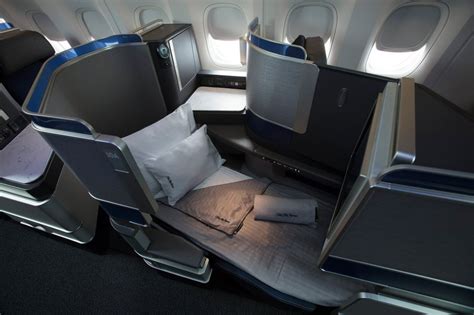
If only two business class seats remain on a high-demand route like New York JFK to Los Angeles LAX, the system recognizes scarcity. Scarcity increases price. An upgrade that appeared for $250 three days earlier may now show $700 at check-in. Not because it is check-in—but because those seats are nearly gone.
Conversely, if a midday flight between Chicago O’Hare (ORD) and San Francisco (SFO) is underperforming in premium sales, the algorithm may lower upgrade prices at check-in to capture incremental revenue. An empty lie-flat seat generates zero revenue once the door closes. Selling it at a discount is better than letting it fly vacant.
Dynamic pricing means:
- Upgrade offers fluctuate constantly.
- Two passengers on the same flight may see different prices.
- The timing alone does not determine cost—inventory does.
The upgrade price at check-in reflects the airline’s most current estimate of what that seat is worth in the marketplace at that exact moment.
Why Loyalty Status Changes The Upgrade Equation
Frequent flyer programs significantly alter upgrade availability before most passengers ever reach check-in. Airlines such as Delta Air Lines (Medallion Program), American Airlines (AAdvantage), and United Airlines (MileagePlus) process complimentary upgrades for elite members ahead of departure.
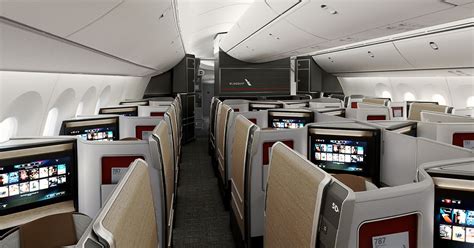
High-tier elites—such as Delta Diamond Medallion or American Executive Platinum—often clear into first or business class days before the flight. By the time check-in opens, the premium cabin may already be partially filled by loyalty upgrades.
This creates an important psychological effect. A non-elite passenger checking in sees only two seats left in business class and a high upgrade price. It feels expensive because supply is limited. In reality, those seats were simply allocated earlier to status members.
The system prioritizes loyalty before monetization. Once elite upgrades are processed, the remaining seats are priced based on scarcity. For travelers without status, this can make check-in upgrades appear inflated, when in fact availability is simply constrained.
Pre-Check-In Offers vs Check-In Upgrade Pricing
Airlines increasingly push upgrade offers before check-in begins. Within days—or even hours—of booking, passengers may receive in-app or email invitations to move to business class for a fixed price.
These early offers are based on projected demand. The airline estimates how well the premium cabin will sell and prices upgrades accordingly.
For example, a traveler flying Dallas/Fort Worth (DFW) to Miami (MIA) might receive a $180 upgrade offer three days before departure. If business demand surges—perhaps due to a conference or event—the remaining seats shrink. At check-in, the price might rise to $350.
However, the opposite can occur. If projected demand fails to materialize, the airline may reduce upgrade pricing closer to departure to fill seats.
The difference lies in forecasting versus certainty. Early upgrade pricing is predictive. Check-in pricing is reactive. Once booking data becomes concrete, airlines adjust more confidently.
Waiting can sometimes reward patience. It can also punish it.
The Role Of Fare Class And Ticket Restrictions
Not all economy tickets are created equal. The fare you purchase influences both eligibility and pricing for upgrades.
Basic economy fares, offered by major US carriers, frequently restrict upgrade opportunities. Delta, United, and American impose limitations that can delay or prohibit paid upgrades from these lowest fare classes.
If upgrades are allowed, the pricing gap can appear large. That is because the original ticket was deeply discounted. Moving from a $99 basic economy fare to a $1,000 business seat will naturally carry a steep differential.
Passengers who book higher economy fare classes often see smaller upgrade price gaps. In these cases, check-in pricing may feel more reasonable because the original fare already carried flexibility and partial premium valuation.
This is not a check-in penalty. It is fare architecture at work.
Premium-Heavy Routes Reveal The Pricing Reality
Consider the intensely competitive transcontinental market between San Francisco (SFO) and New York (JFK or EWR). Airlines deploy lie-flat business class cabins—United Polaris, Delta One, American Flagship Business, and JetBlue Mint.
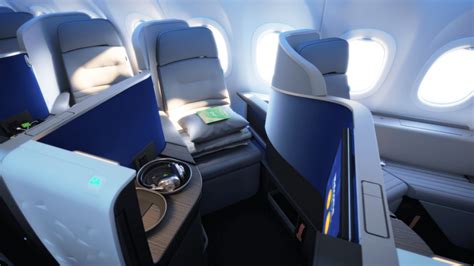
These routes attract heavy corporate travel. Business cabins often fill early. A passenger booking months in advance might see a $600 fare difference between economy and business class. A week before departure, an in-app offer might appear for $300. At check-in, with only one seat remaining, the price could jump to $800.
On the same route during a slow January week, the airline may struggle to fill premium seats. At check-in, upgrade offers might drop significantly.
The route itself does not dictate price. Demand patterns do. Premium-heavy markets amplify volatility because business demand fluctuates sharply based on corporate schedules.
Does Speaking To An Airport Agent Result In A Cheaper Upgrade?
There is a persistent belief that negotiating at the airport counter yields better deals. In reality, most agents have limited discretion over pricing. Upgrade offers displayed at the counter are generated by the same revenue management systems powering online check-in.
That said, operational disruptions can create exceptions.
If an economy cabin is oversold but business class has empty seats, gate agents may solicit paid upgrades to balance the aircraft. In these scenarios, last-minute offers can drop dramatically.
These situations are rare and unpredictable. They are not standard practice. Most of the time, airport pricing mirrors digital pricing.
The romantic image of a savvy traveler charming an agent into a bargain upgrade belongs more to cinema than to modern airline systems governed by algorithms.
Seasonality And Market Demand Influence Check-In Prices
Airline revenue management does not operate in a vacuum. Broader economic forces shape upgrade pricing.
During peak travel seasons—summer holidays, Thanksgiving, Christmas—business cabins fill quickly. Airlines have little incentive to discount at check-in. Prices tend to be firm or higher.
During shoulder seasons—late January or early September—premium demand softens. Business travelers fly less. Leisure demand dominates. Airlines may reduce check-in upgrade prices to avoid empty seats.
Routes also matter. Flights between Chicago O’Hare (ORD) and Orlando (MCO) may experience lower premium demand outside holiday periods. On these leisure-heavy routes, check-in upgrades can occasionally offer strong value.
Global events, trade shows, sporting tournaments, and corporate earnings seasons also spike demand. When corporate budgets are strong, business cabins tighten. When economic uncertainty rises, upgrade pricing may soften.
Airlines are businesses responding to macroeconomic currents, not merely seat maps.
Why The Myth Persists
The belief that upgrading at check-in costs more survives because of visible sticker shock. A traveler ignores a $250 upgrade email, then sees $700 at check-in. The conclusion feels obvious.
What is unseen is the dynamic reshuffling of inventory in between. Loyalty upgrades cleared. Corporate bookings materialized. Seat scarcity increased.
Check-in did not cause the price hike. Demand did.
Humans prefer simple cause-and-effect narratives. Airline pricing resists simplicity. It is a constantly recalibrating market experiment running thousands of times per minute across global networks.
When Waiting For Check-In Makes Sense
Waiting may be advantageous when:
- The route historically has low premium demand.
- Travel occurs during off-peak seasons.
- The business cabin shows significant unsold inventory days before departure.
- Competing airlines are discounting similar routes.
In these scenarios, airlines may lower check-in upgrade pricing to stimulate last-minute purchases.
Patience can sometimes pay off. But patience without data is speculation.
When Upgrading Early Is The Smarter Strategy
Purchasing an early upgrade is often wiser when:
- Traveling on high-demand business routes.
- Flying during peak corporate periods.
- The business cabin is already more than 70% full days before departure.
- You hold no elite status and are competing for limited inventory.
In these cases, waiting increases the probability of higher prices or complete unavailability.
Airlines reward certainty. If demand appears strong, they rarely discount late.
The Psychological Element Of Upgrade Decisions
Beyond economics lies psychology. Upgrade pricing often leverages perceived exclusivity. Seeing only two seats left triggers urgency. Limited inventory increases willingness to pay.
Airlines understand behavioral economics. Scarcity messaging and time-sensitive offers encourage quicker decisions.
From a purely financial standpoint, the upgrade cost should be evaluated relative to flight length, comfort needs, and total trip value. Paying $300 for a five-hour lie-flat flight may represent strong value. Paying $700 for a two-hour domestic hop likely does not.
The rational approach evaluates benefit, not timing superstition.
So, Does Upgrading To Business Class At Check-In Cost More?
No universal rule exists. Upgrading at check-in does not inherently cost more. It reflects real-time inventory, processed loyalty upgrades, and demand certainty.
Sometimes check-in upgrades are higher because the cabin is nearly sold out. Sometimes they are lower because the airline needs to fill empty seats. Most often, they mirror the current market value of that remaining seat.
The true driver is not the clock striking check-in time. It is supply meeting demand under algorithmic supervision.
Airlines treat every premium seat as a perishable asset. Once airborne, its value collapses to zero if unsold. Every pricing decision before departure attempts to extract maximum revenue from that fleeting opportunity.
Understanding this transforms upgrade decisions from guesswork into strategic evaluation. The seat does not care when you buy it. The system only cares how much demand exists when you try.
Travelers who watch inventory trends, consider seasonal demand, and evaluate personal comfort priorities will consistently make better upgrade decisions than those relying on timing myths.
The modern business class cabin is not priced by superstition. It is priced by mathematics, forecasting, and a relentless algorithm quietly calculating what you might be willing to pay.