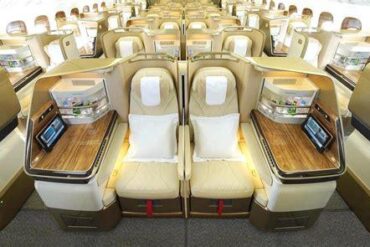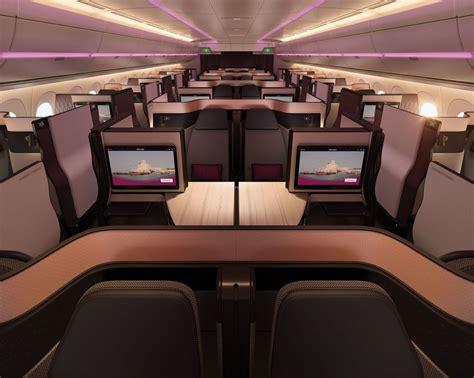
Qatar Airways’ Qsuite has developed a reputation that borders on mythological within premium travel circles. Travelers speak about it in the same hushed tone usually reserved for rare first-class cabins, yet on paper it remains a business class product. That contradiction is precisely what fuels the fascination. The experience promises privacy doors, double beds, dine-on-demand service, and a cabin layout that feels engineered for both solitude and social travel. Naturally, one question follows anyone researching the product: how much does it actually cost to upgrade into Qsuite?
The answer is less a number and more a moving target. Unlike buying seat selection or extra baggage, Qsuite is not sold as a standalone add-on. Instead, travelers upgrade into Qatar Airways Business Class on flights operated with Qsuite-equipped aircraft. The price therefore fluctuates with the same forces that shape airline revenue strategy: demand curves, seasonal travel flows, fare class restrictions, and remaining premium inventory.
Understanding Qsuite upgrade pricing requires stepping back and examining the broader ecosystem in which it sits — from aircraft deployment and fare families to loyalty currency mechanics and last-minute inventory releases.
Qatar Airways’ Premium Cabin Ecosystem
Qatar Airways has built its brand around the idea that premium travel begins long before boarding. Its Doha hub functions less like a transit point and more like a curated passageway designed to smooth the friction of long-haul flying. Connections are tightly orchestrated, signage is intuitive, and premium passengers are guided through transfers with deliberate efficiency.
Within this system, premium cabins are divided into First Class — limited primarily to the Airbus A380 fleet — and Business Class, which carries the airline’s flagship reputation globally. While First Class offers exclusivity with an eight-seat cabin and shared onboard lounge, Business Class is where the majority of travelers encounter Qatar’s most refined service architecture.
Lie-flat seating, restaurant-style dining, extensive entertainment systems, and elevated bedding define the baseline. Fare families within Business Class further differentiate flexibility, lounge access, and change policies, meaning two passengers seated side by side may have paid vastly different prices for nearly identical onboard experiences.
Ground Experience And Lounge Differentiation
Premium value does not end at the aircraft door. Qatar Airways has invested heavily in its Al Mourjan lounge network, particularly at Hamad International Airport. The flagship “Garden” lounge blends architectural scale with resort-style calm — water features, greenery, and expansive dining zones transform waiting time into restorative time.
For connecting passengers, these lounges function as decompression chambers between ultra-long-haul sectors. Shower suites, quiet rooms, and made-to-order dining are positioned not as luxuries but as expected components of the premium journey.
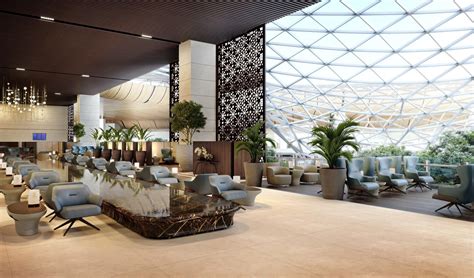
This integrated ground-and-air design reinforces why Qsuite upgrades command significant pricing leverage. The seat is only one piece of a much larger premium machine.
What Makes Qsuite Different From Standard Business Class
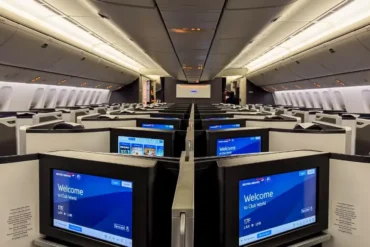
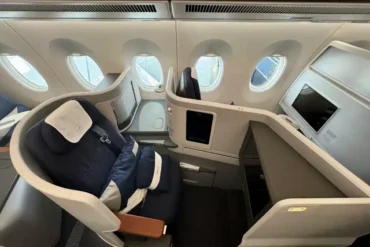
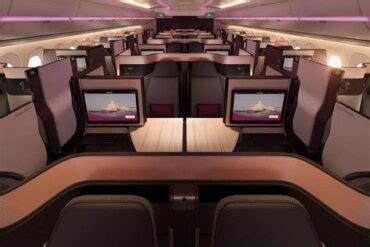
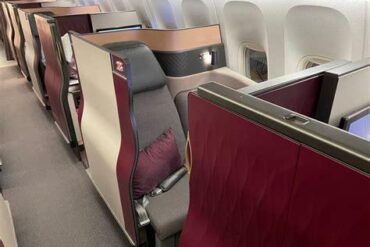
Qsuite is not merely an incremental seat improvement — it represents a structural rethink of business class privacy. Configured in a 1-2-1 layout, every passenger receives direct aisle access, but the defining feature is the sliding privacy door that converts the seat into a fully enclosed suite.
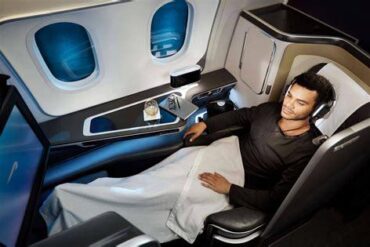
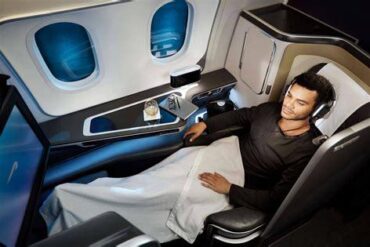
Ambient lighting, generous storage, and high walls create the sensation of occupying a private room rather than a shared cabin. On long-haul routes, Qatar leans heavily into sleep optimization: turndown service includes mattress pads, plush duvets, and multiple pillow types designed to replicate boutique hotel rest.
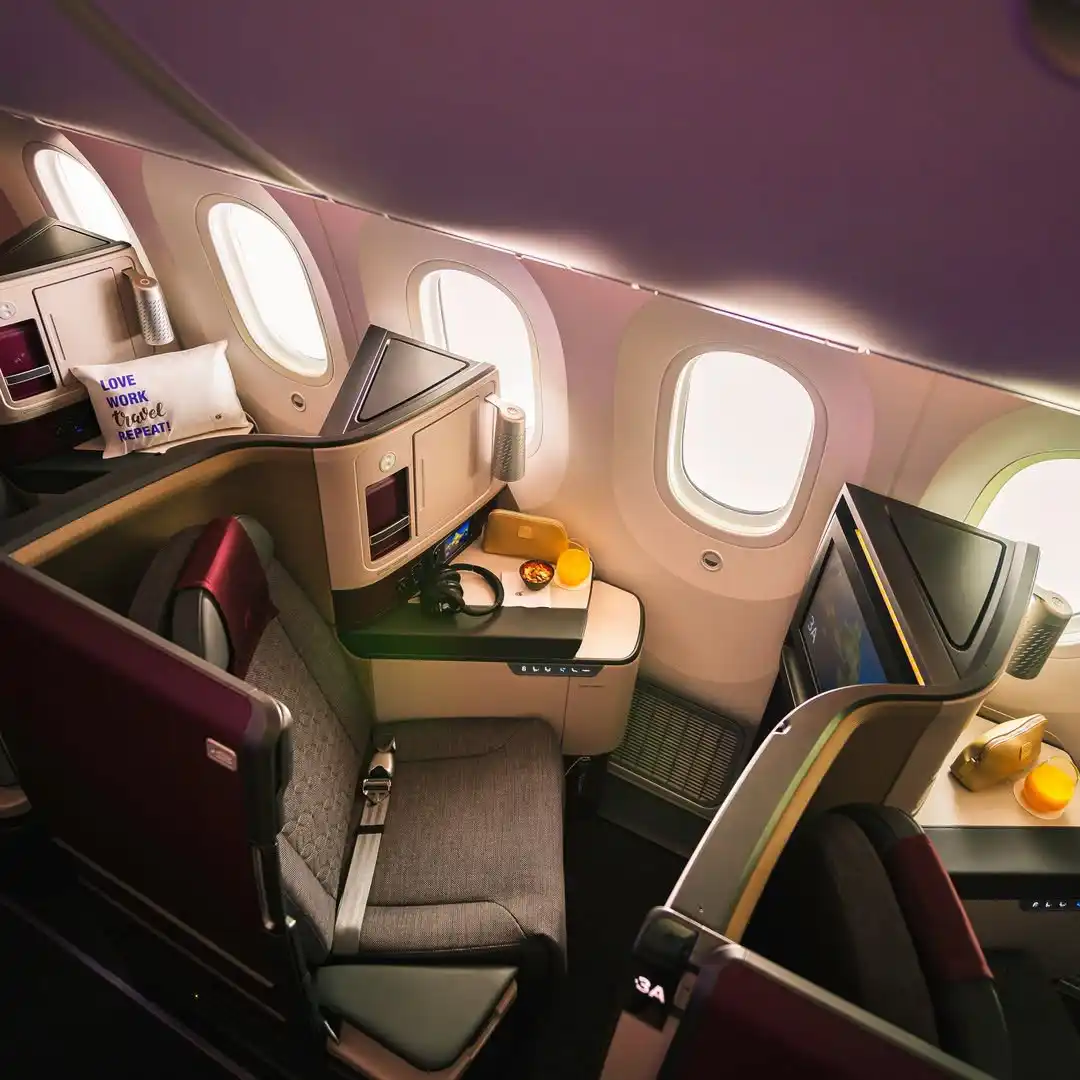
Amenities are sourced from premium partners such as The White Company, while some sectors feature Diptyque amenity kits. Practical design details — HDMI ports, USB charging, NFC connectivity — ensure the suite functions as both bedroom and workspace.
One of Qsuite’s most distinctive engineering feats is its quad configuration. Center seats can transform into four-person social spaces, ideal for families or business groups traveling together. Paired middle seats can also convert into double beds, a rarity in business class aviation design.
Aircraft Deployment And Route Availability
Not every Qatar Airways aircraft features Qsuite. The product is installed across a large portion of the airline’s widebody fleet — including select Boeing 777s, Airbus A350s, and some A330 retrofits — but deployment varies by route and operational planning.
Aircraft swaps remain a real risk. A flight scheduled with Qsuite can be reassigned to a non-Qsuite aircraft due to maintenance, scheduling changes, or demand shifts. For travelers specifically upgrading for the suite, monitoring seat maps and equipment assignments becomes part of the strategy.
Booking Qsuite Outright: Baseline Business Class Pricing
When travelers book Qsuite from the start, they are purchasing a Business Class fare tied to a Qsuite-equipped flight. Pricing therefore mirrors global business class market dynamics.
On high-yield long-haul routes — particularly between the United States and Doha — one-way fares commonly range between $6,000 and $11,000, with round-trip pricing often stretching from $11,000 to $16,000 depending on timing and flexibility.
Promotional windows and alternative departure regions can lower the threshold significantly. Discounted business fares around $2,700 one-way occasionally surface during sales or shoulder-season travel periods. These pricing troughs are fleeting and inventory-controlled, rewarding travelers who track fare movements across multiple gateways.
Refundable and highly flexible tickets command substantial premiums, sometimes costing thousands more than restrictive fare classes despite identical onboard seating.
How Upgrade Pricing Actually Works
Upgrading into Qsuite is effectively purchasing the price difference between an existing ticket and available Business Class inventory. Because that inventory is dynamically managed, upgrade offers fluctuate constantly.
Cash upgrade opportunities appear through several channels:
- Online booking management portals
- Pre-departure email offers
- Online check-in upgrade screens
- Airport check-in counters
Timing plays a decisive role. Upgrade offers frequently emerge one to two weeks before departure, when airlines refine cabin load forecasts. If Business Class demand appears soft, targeted offers may surface at reduced rates.
Typical Cash Upgrade Cost Ranges
While no universal price exists, real-world data reveals broad upgrade bands:
- $500–$900 on lower-demand regional or mid-haul routes
- $1,000–$2,500 on long-haul flights during moderate demand
- $3,000+ on peak routes or last-seat inventory
These figures remain fluid. A lightly booked cabin one day can fill rapidly the next, causing upgrade quotes to spike or disappear entirely.
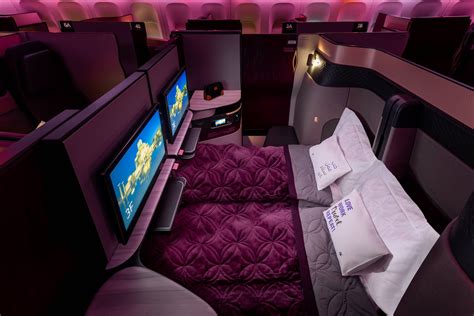
Targeted upgrade emails often provide the strongest cash value, though they typically carry restrictions — non-refundability, sector-specific validity, and mandatory upgrades for all passengers on a shared reservation.
Seasonality And Demand Drivers
Upgrade pricing behaves like a living organism, responding to travel patterns worldwide. Several forces exert outsized influence:
- Peak holiday periods — such as year-end travel or major regional festivals — compress premium inventory, driving upgrade costs sharply upward.
- Major global events — trade expos, sporting tournaments, diplomatic summits — can inflate business travel demand on specific corridors.
- Shoulder seasons, positioned between peak and low travel periods, often produce the most attractive upgrade pricing windows.
- Route competition also matters. Markets with heavy premium competition sometimes generate softer upgrade pricing as airlines fight for high-yield passengers.
Using Avios To Upgrade To Qsuite
Cash is only one pathway. Qatar Airways Privilege Club members can use Avios — the airline’s loyalty currency — to request upgrades into Business Class and potentially Qsuite.
The process begins by logging into an existing booking and checking award upgrade availability. If inventory exists, Avios can be redeemed per flight sector, with additional taxes or surcharges applied where relevant.
Award upgrades operate under capacity controls. Availability is finite and allocated on a first-come, first-served basis. Monitoring inventory early dramatically improves success rates.
Eligibility rules apply:
- Flights must be marketed and operated by Qatar Airways
- Tickets must be issued by Qatar Airways
- Certain promotional or deeply discounted fares may be excluded
Cash + Avios Hybrid Upgrades
Travelers lacking sufficient Avios can sometimes leverage part-payment upgrades — blending cash with loyalty currency. These hybrid offers typically appear within two weeks of departure and provide flexibility for members seeking value without full redemption balances.
At airport counters, Avios upgrades remain possible but subject to availability. Identification is required, and infants under two years old are generally ineligible for upgrade processing.
Inventory Economics: Why Qsuite Commands High Prices
From an airline revenue perspective, Qsuite represents a profit engine. Premium cabins generate the highest margins per square meter of aircraft floor space, and Qsuite’s reputation allows Qatar Airways to price aggressively without dampening demand.
The airline’s objective is simple: maximize yield while maintaining high load factors. Empty suites represent lost revenue, so last-minute upgrades serve as a monetization tool rather than a discount gesture.
This balancing act explains why upgrades are accessible — but rarely cheap. Pricing is calibrated to extract incremental revenue without undercutting full-fare business sales.
Strategies To Secure Lower Upgrade Costs
Travelers determined to experience Qsuite without paying full business fares often rely on layered tactics rather than luck alone.
- Monitoring bookings regularly increases exposure to targeted offers. Checking both email and booking portals ensures upgrade windows are not missed.
- Flexible travel dates widen upgrade probability, particularly on midweek departures where corporate demand softens.
- Departing from alternative gateways — especially outside high-yield U.S. markets — can produce lower base fares and cheaper upgrade deltas.
- Loyalty status within Privilege Club may also influence upgrade targeting, though inventory availability remains the dominant factor.
The Experience Premium: What You’re Paying For
Upgrade pricing ultimately reflects experiential transformation rather than seat relocation. Qsuite delivers a combination of privacy, service pacing, and rest quality that reshapes long-haul travel physiology.
Passengers gain dine-on-demand meal timing, allowing sleep cycles to dictate service rather than fixed trolley runs. Cabin crew adjust interaction frequency based on privacy indicators, reducing interruptions.
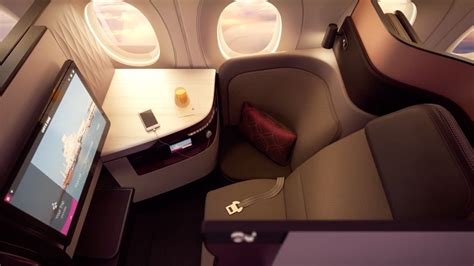
Large entertainment screens, noise-isolating suite walls, and high-thread-count bedding create an environment where travelers arrive rested rather than depleted — a measurable productivity advantage for business flyers.
Comparing Upgrade Value Vs. Full Fare Purchase
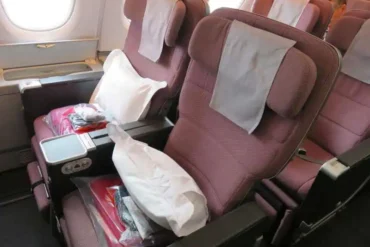
Determining whether to upgrade or book Business outright hinges on fare differentials. If a discounted Business fare sits only marginally above Premium Economy or Economy pricing, booking directly may offer stronger value and flexibility.
Conversely, when Economy fares are low and upgrade offers surface cheaply, the arbitrage opportunity becomes compelling. Paying $700 to upgrade a discounted long-haul Economy ticket into Qsuite represents disproportionate experiential gain per dollar.
Risk Factors To Consider Before Upgrading
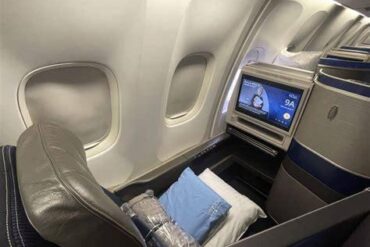
Despite its allure, upgrading carries structural uncertainties. Aircraft swaps can replace Qsuite with standard business seating. While service levels remain high, the flagship privacy experience may vanish.
Upgrade purchases — especially discounted offers — are often non-refundable. Travelers must weigh schedule certainty before committing funds or Avios.
Group reservations introduce additional complexity. Some upgrade offers require all passengers on a booking to upgrade simultaneously, limiting flexibility.
Why Qsuite Remains Upgrade-Accessible
If Qsuite generates such strong margins, why allow upgrades at all? The answer lies in revenue optimization theory.
Airlines forecast premium demand months in advance but refine projections continuously. Unsold inventory close to departure risks total revenue loss, making discounted upgrades economically rational.
Selling a suite at a reduced upgrade price still yields more revenue than flying it empty. This is the commercial logic that keeps Qsuite aspirational — yet attainable.
Final Cost Reality: What Should You Expect To Pay?
While pricing spans enormous ranges, realistic expectations can be framed within broad bands:
- Short-to-mid haul upgrades may begin around $500 when inventory is abundant.
- Long-haul upgrades more commonly land between $1,200 and $2,500.
- Peak-demand or last-seat upgrades can exceed $3,000, approaching full Business fare differences.
Avios upgrades vary by distance but often deliver stronger cents-per-point value on ultra-long-haul sectors.
The Bottom Line On Qsuite Upgrade Economics
Qsuite sits at the intersection of product innovation and revenue science. Its pricing is deliberately fluid, shaped by algorithms forecasting human movement across continents.
For travelers, the path into the suite is less about a fixed budget and more about timing, flexibility, and vigilance. Monitoring offers, leveraging Avios, and understanding fare structures transform the upgrade hunt into a strategy game rather than a luxury fantasy.
The result is a cabin that feels improbably exclusive for something labeled “business class” — a reminder that in aviation, category labels often fail to capture experiential reality.