Business class was once viewed as an exclusive space reserved almost entirely for executives, frequent corporate travelers, and passengers whose companies covered the cost of long-haul journeys. Today, that image has changed dramatically. Airlines are increasingly relying on premium cabins as a major source of revenue, and more leisure travelers are upgrading through loyalty points, special offers, credit card rewards, and personal spending decisions.
The growth of premium travel has created a fascinating change inside the aircraft cabin. Flight attendants are seeing a new type of business class passenger: travelers experiencing the front of the plane for the first time. These passengers are often excited, curious, and sometimes unsure about the unwritten rules of premium travel.
For experienced business class travelers, many parts of the journey happen automatically. They know how to store their bags, adjust their seats, use the amenity kits, select meals, and interact with cabin crew efficiently. First-time passengers, however, often approach the experience differently. Their reactions reveal just how different premium travel feels compared with economy class.
Cabin crew members are among the first people to notice these differences. They see the small moments of hesitation, the wide-eyed reactions to lie-flat seats, the excitement over champagne service, and the uncertainty about what is included. These behaviors are not viewed negatively. Instead, they show how business class is becoming accessible to a much wider audience.
The changing passenger profile reflects a larger transformation across the aviation industry. Airlines are investing heavily in better seats, improved dining, private suites, and personalized service because premium customers have become central to profitability. As more travelers move into business class for the first time, cabin crew have taken on a new role: not just service providers, but guides helping passengers understand the premium experience.
Why Airlines Are Expanding Business Class Like Never Before
The rise of business class is not simply about adding more comfortable seats. It represents a fundamental shift in how airlines design their aircraft, plan routes, and manage revenue. Premium cabins generate significantly higher returns compared with economy seating, making them a critical part of airline strategy.
Although business class seats occupy a small percentage of an aircraft’s total capacity, they contribute a disproportionately large share of passenger revenue. This financial advantage explains why airlines continue replacing traditional economy-focused layouts with more premium-heavy configurations.
Carriers around the world are increasing their investment in premium products. Airlines are introducing more lie-flat seats, private suites, upgraded dining concepts, and enhanced airport services. Even airlines that historically focused on lower-cost operations are now exploring premium cabins because demand has expanded beyond traditional business travelers.
The growth is particularly noticeable among leisure passengers. Many travelers who previously considered business class too expensive are now finding ways to experience it through accumulated miles, discounted upgrade opportunities, or carefully planned vacations.
This change has created a new market segment: passengers who may not fly business class every year but want the experience for special occasions. A honeymoon trip, anniversary vacation, milestone birthday, or once-in-a-lifetime international journey can become the reason someone finally books a premium seat.
For airlines, these travelers represent valuable customers. They may not have the travel habits of corporate executives, but they often have strong emotional connections to the experience. A memorable first business class flight can influence future loyalty and encourage passengers to spend more on premium travel again.
The Small Signs Cabin Crew Notice From First-Time Business Class Passengers
Experienced cabin crew members can often identify first-time business class passengers within minutes. They usually do not need to ask directly. Instead, they observe small details that reveal a passenger is discovering premium travel for the first time.
One of the biggest signs is hesitation during boarding. Frequent business class travelers usually walk into the cabin with confidence. They know where their seat is, how much storage space they have, and how to organize their belongings quickly.
First-time passengers often pause near their seats. They may look around the cabin, examine the seat controls, or take extra time to understand the space available to them. Some passengers carefully inspect every feature, from the reading light to the entertainment system, because everything feels new.
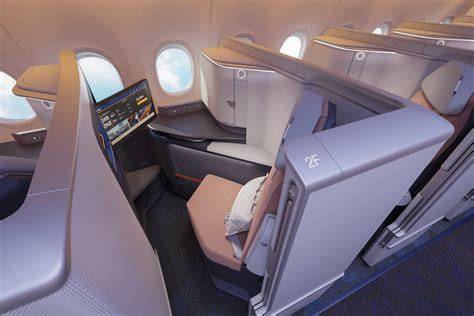
Another common sign is excitement. Many first-time business class travelers are genuinely amazed by features that regular premium passengers consider normal. A large seat that transforms into a bed, a welcome drink before departure, a personalized menu, or an amenity kit can create a memorable moment.
Cabin crew frequently notice passengers taking photos of their seats, meals, or cabin environment. Some may quietly document the experience because they want to remember their first premium journey. Rather than seeing this as unusual, many flight attendants recognize it as part of the enjoyment of travel.
Questions are another clear indicator. New business class passengers may ask about meal timing, seat functions, pajamas, snacks, drinks, or whether they can request additional items. These questions are completely normal because business class service often operates differently from economy.
A passenger who has always experienced traditional meal service may not immediately understand concepts like dine-on-demand or flexible meal timing. Cabin crew members often provide additional explanations to ensure the passenger feels comfortable.
Seat Controls, Storage, and Premium Cabin Etiquette Can Be Surprisingly Confusing
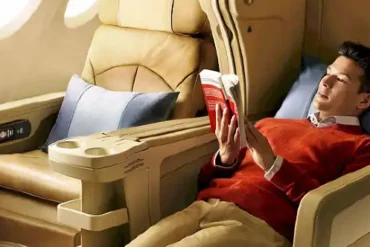
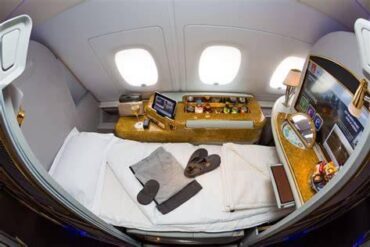
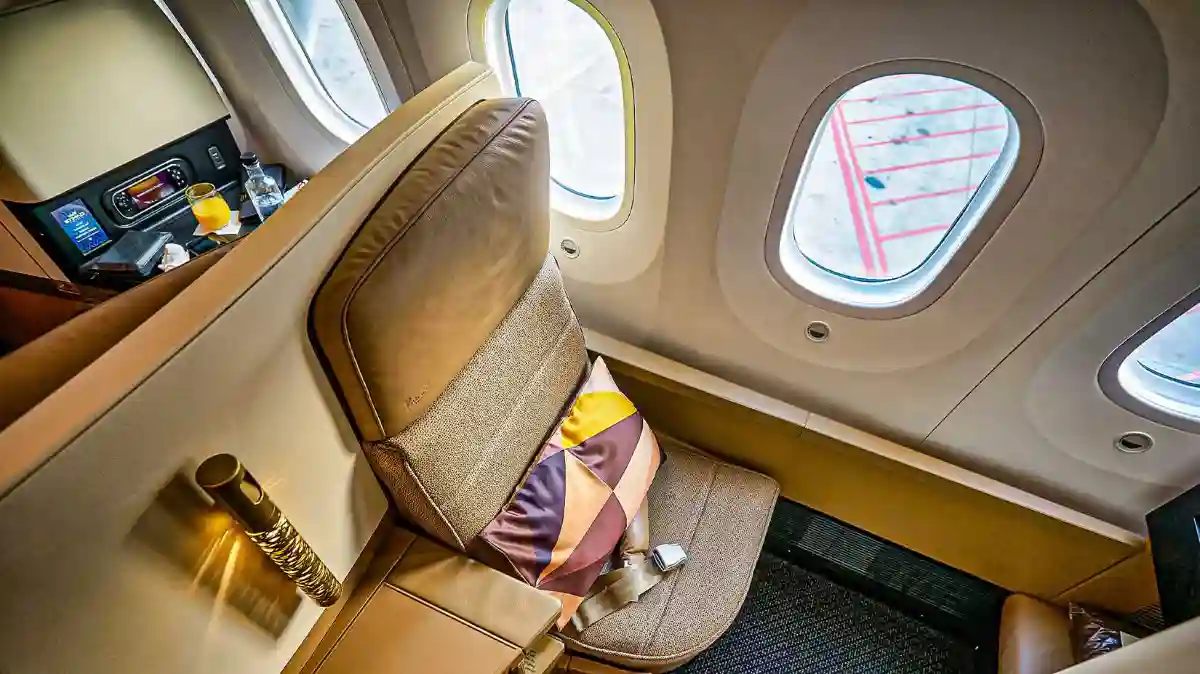
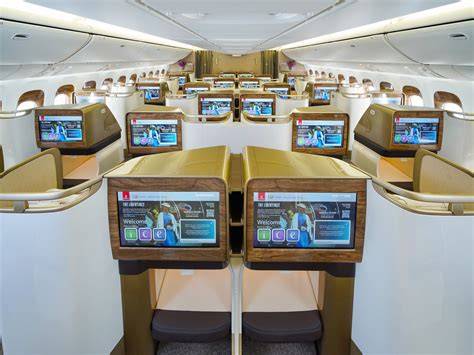
Modern business class seats have become sophisticated pieces of technology. Many include multiple adjustment settings, massage functions, privacy dividers, lighting controls, and sleeping modes. For passengers who have never used these features, the experience can feel more like entering a private lounge than sitting on an airplane.
Cabin crew often notice passengers carefully experimenting with seat controls after boarding. Some passengers are unsure whether they should recline immediately, convert the seat into a bed, or wait until after takeoff.
There is also the question of personal space. Economy passengers are accustomed to sharing limited space, while business class introduces a much stronger sense of individual territory. First-time travelers may not immediately understand how much space belongs to them or where they should place personal items.
Overhead bin etiquette is another subtle difference. Premium cabins often have dedicated storage areas, but passengers unfamiliar with business class may hesitate when deciding where their bags should go. Flight attendants frequently step in with polite guidance to keep boarding smooth.
Changing into pajamas can also create uncertainty. Many long-haul airlines provide sleepwear in business class, but first-time passengers may wonder when it is appropriate to change. Some immediately embrace the experience, while others wait because they are unsure about expectations.
These moments reveal an important part of premium cabin service. Business class is not only about physical comfort. It is also about creating an environment where passengers feel confident and valued.
How Cabin Crew Adjust Their Service for New Premium Travelers
Serving first-time business class passengers requires a different approach. Cabin crew must maintain the efficiency expected in a premium cabin while also providing enough guidance for travelers who are unfamiliar with the experience.
The best flight attendants often recognize these passengers quickly and adjust naturally. They may provide additional explanations, check whether the passenger understands the seat functions, or offer recommendations about meals and drinks.
The challenge is making the passenger feel cared for without making them feel inexperienced. Premium travel is built around personalization, and good service means understanding individual needs without highlighting differences between frequent and first-time flyers.
This is especially important because first impressions matter. A passenger’s first business class flight can influence how they view an airline for years. A warm interaction with cabin crew can transform a simple upgrade into a memorable travel experience.
As airlines continue expanding premium offerings, cabin crew increasingly become the human connection between the product and the passenger. The seat may attract customers, but service determines whether they return.
The Emotional Side of Flying Business Class for the First Time
Beyond the physical benefits, first-time business class travel often carries emotional significance. For many passengers, the journey represents a reward for years of saving, a personal achievement, or a special life moment.
Cabin crew frequently see this excitement. A passenger enjoying their first lie-flat bed or celebrating a special occasion in the premium cabin brings a different energy onboard.
Unlike regular business travelers who may view flights as routine transportation, first-time passengers often appreciate every detail. They notice the quality of the food, the comfort of the seat, and the attention from the crew.
This emotional connection is valuable for airlines. Premium experiences create memories, and memories influence future purchasing decisions. A traveler who feels appreciated during their first business class experience may become a long-term premium customer.
The growing number of first-time business class passengers shows that premium travel is no longer limited to a small group of frequent flyers. It has become an aspirational product available to a broader audience.
Business Class Growth Is Changing the Role of Cabin Crew
The expansion of premium cabins has changed what passengers expect from airlines and what cabin crew deliver. Flight attendants working in business class are no longer simply providing meals and drinks. They are managing expectations, explaining products, and creating personalized experiences.
As airlines compete for premium customers, every interaction becomes important. A passenger paying significantly more for a seat expects attention, comfort, and a sense of exclusivity.
At the same time, airlines must welcome new premium travelers who may not understand every aspect of business class service. The ability of cabin crew to balance efficiency, professionalism, and warmth has become increasingly important.
The future of business class will likely include even more passengers experiencing premium cabins for the first time. Airlines are expanding these products because demand continues to grow, and cabin crew will remain essential in helping new travelers discover what premium flying offers.
Ultimately, the biggest difference between a first-time business class passenger and an experienced one is not knowledge of cabin etiquette. It is the sense of wonder. Cabin crew see that excitement every day, and it represents one of the clearest signs that the world of premium air travel is changing.