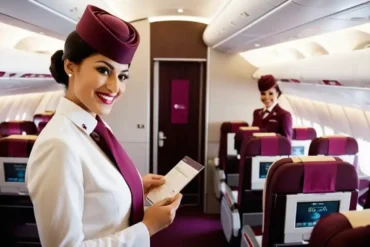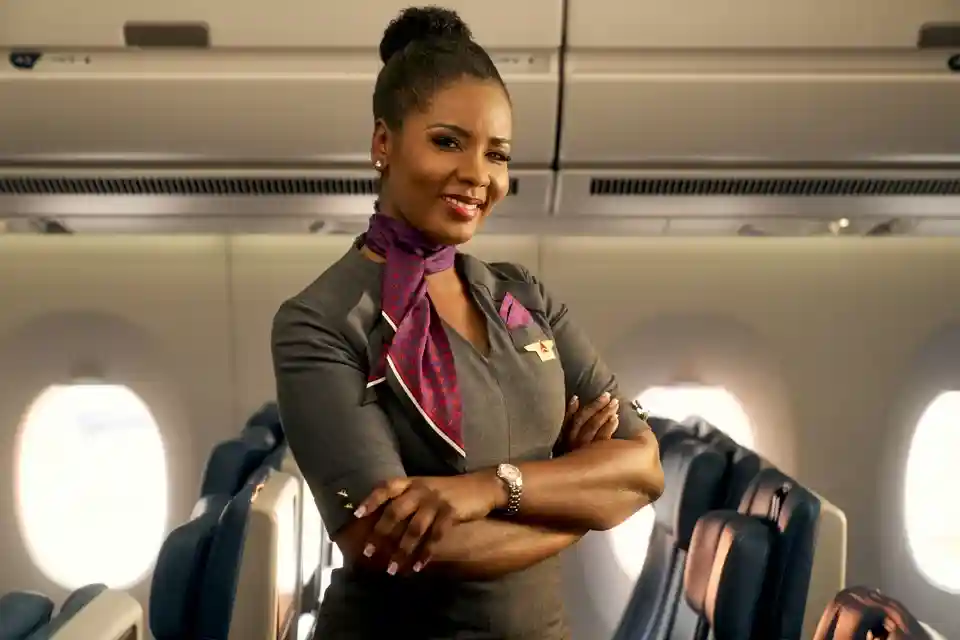
Cabin crew recruitment is one of the most oversubscribed hiring pipelines in commercial aviation. Airlines collectively post tens of thousands of flight attendant openings every year, yet acceptance rates at the major carriers sit somewhere between one and four percent, making a cabin crew offer statistically harder to secure than admission to an Ivy League university. Understanding the actual volumes behind those numbers is essential for anyone weighing a career in the cabin, tracking airline expansion plans, or trying to time an application to a recruitment window that opens and closes within days.
How Many Flight Attendants Do Airlines Typically Hire in a Year?
Across the United States aviation industry, carriers generate roughly 18,500 flight attendant job openings per year on average. On a global scale, the annual figure rises to approximately 50,000 cabin crew openings, driven by a combination of fleet growth, retirements, and routine attrition. Each airline’s hiring volume depends on fleet size, route expansion, base openings, and annual turnover rates that typically run between four and eight percent of the existing workforce.
The spread between carriers is dramatic. Major operators such as Delta Air Lines, American Airlines, United Airlines, and Emirates routinely recruit between 1,000 and 5,000 new cabin crew members in a single year, with surges reaching 8,000 hires during post-downturn recoveries or periods of aggressive aircraft delivery. Smaller regional and low-cost airlines generally hire anywhere from a few hundred to around 1,000 cabin crew annually, enough to staff new bases and replace departing employees. The US Bureau of Labor Statistics counted 133,700 flight attendant jobs in 2025 and projects employment growth of nine percent through 2035, a pace well above the average occupation.
Why Major Carriers Dominate Cabin Crew Hiring Volumes
The largest airlines are the largest hirers because their crew requirements scale directly with fleet count and daily departures. American Airlines now employs just over 30,000 flight attendants, placing it ahead of Delta and United, which each operate with roughly 28,000 to 30,000 cabin crew. Southwest Airlines maintains a workforce of around 20,000 flight attendants, while British Airways holds approximately 15,000 cabin crew, with 12,000 based at Heathrow covering both short-haul and long-haul networks. Ryanair employs more than 16,000 flight attendants and continues recruiting to feed its European base expansion.
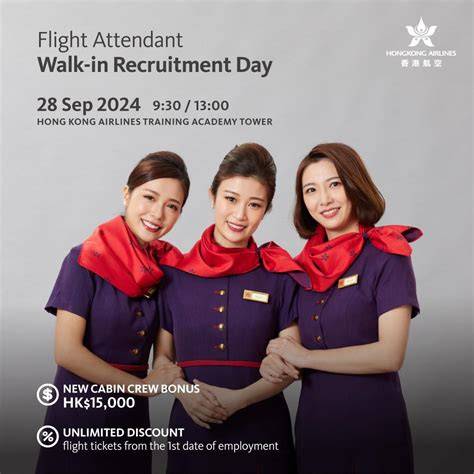
Middle Eastern carriers operate on a different scale altogether. Emirates hired 8,000 cabin crew across 353 cities worldwide in 2023, building a workforce of 21,500 cabin crew by August of that year and an estimated 27,000 or more today. In January 2024, the airline announced it would recruit 5,000 cabin crew to coincide with the arrival of its new A350 fleet. The carrier reportedly receives more than 15,000 cabin crew applications every month, and it has extended its reapplication waiting period from three months to six months, meaning a candidate can now apply only twice a year instead of four times.
The Extreme Selectivity Behind Those Recruitment Figures
The headline hiring numbers look generous until they are measured against application volumes. Delta frequently receives over 100,000 applications for roughly 1,000 to 1,200 roles, with hiring records obtained by FOX News indicating that just one percent of applicants are ultimately hired. Approximately 90 percent of applications are filtered out at the very first screening stage, before any interview takes place. Even among candidates who survive the full multi-stage process, not everyone completes training, which typically eliminates another quarter of each trainee batch.
The selection funnel itself stretches across months. A typical pipeline includes an online application, a virtual job tryout, an on-demand video interview, an assessment day, and a final event-day interview before a conditional job offer is extended. Security and medical checks follow, pushing the total timeline to three to six months. Training then adds another six to eight weeks at facilities such as Delta’s Atlanta campus or United’s Houston base, with exam pass marks set high and only two attempts permitted before a trainee is released. Airlines can afford this level of scrutiny because the applicant pool never runs dry, and they treat personal presentation, service demeanor, and safety instincts as non-negotiable filters rather than preferences.
Training Costs, Reapplication Rules, and the Realities of the Job
The hiring process is deliberately demanding because the job itself diverges sharply from its public image. Candidates are drawn by uniforms and international destinations, but the role’s core function is evacuating passengers in an emergency, managing medical crises at altitude, and fighting onboard fires. Long duty days, relatively modest starting salaries, crash-pad living arrangements, and seniority-based scheduling deter many recruits during training or probation, which is one reason airlines build attrition into their hiring math. Reapplication policies reinforce the pressure: most carriers require candidates to wait three to six months, and Emirates now enforces a six-month gap, so a failed attempt costs half a year.
Some carriers have begun softening the financial barrier to entry. Rather than charging candidates for training, a growing number fund the course outright or pay a salary during instruction, a meaningful shift from the unpaid training models that once defined the industry. Application windows themselves have become volatile. Airlines now close recruitment drives early, sometimes within 24 to 48 hours, once application targets are met, which means candidates who monitor postings casually often miss the opportunity entirely.
Regional Hiring Differences From Europe to the Asia-Pacific
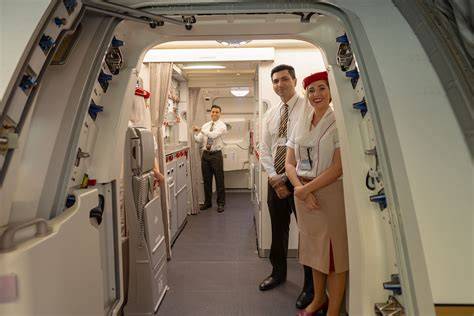
Hiring volumes vary widely by region and business model, and the numbers reveal where aviation growth is concentrated. Lufthansa recruited more than 2,000 flight attendants in 2025, according to Aeronews, while Qantas plans to add 600 flight attendants within five years to support its international network, alongside a new base in Singapore. In the United Kingdom, EasyJet has doubled its hiring of workers over 50 compared with 2022 and recorded a fourfold increase in hires over 60, signaling a demographic shift that is gradually loosening the youth bias long associated with cabin crew recruitment. Airlines expanding premium cabins are also prioritizing hospitality backgrounds and multilingual fluency over purely cosmetic criteria, and several carriers have relaxed rules on gender-specific uniforms, visible tattoos, and piercings.
The legal foundation for all of this hiring is straightforward. Under EASA and FAA regulations, commercial aircraft must carry one flight attendant per 50 passenger seats, so every new narrowbody or widebody delivery automatically creates a fixed crew requirement. For regions with aggressive fleet growth, the effect is exponential: India and South Asia alone will need around 51,000 new cabin crew by 2044 as their fleets triple in size, making them among the most active recruitment markets in the world.
The Decade Ahead: Forecast Demand for Cabin Crew
Industry forecasts point to sustained, long-term hiring rather than a temporary spike. Boeing projects demand for 1.02 million cabin crew members through 2045, translating to roughly 40,000 openings every year to support fleet growth and replace retired or departing crew. CAE’s Aviation Talent Forecast estimates a need for 678,000 new cabin crew globally by 2034, with more than 60 percent of that demand, roughly 415,000 roles, driven by replacement rather than expansion. Aerviva similarly forecasts more than one million new cabin crew required through 2045, even as acceptance rates at major airlines remain under five percent.
The geographic distribution of that demand matters for anyone planning an application strategy. Asia-Pacific leads with 38 percent of projected hires, followed by Europe at 142,000, North America at 129,000, and the Middle East at 95,000. IATA reports international passenger demand up 7.1 percent year-on-year, with volumes expected to double over the next two decades, and the global commercial aircraft fleet is projected to grow 2.4 percent annually through 2035, with widebody deliveries surging particularly for US and Middle Eastern operators.
Timing an Application to Capture the Best Hiring Windows
Recruitment cycles follow the calendar of aircraft delivery and seasonal travel demand rather than a fixed annual schedule. Airlines hire well ahead of peak seasons, so carriers recruiting in late 2026 are already filling January and February 2027 training courses to staff summer 2027 schedules. The practical implication is that a strong application submitted during a base-expansion window, when a carrier needs to crew a new aircraft type or open a new hub, faces far less competition per seat than one filed during a general open call that draws six figures of applicants. Reading each posting carefully remains essential, because qualification requirements shift with language needs and base assignments, and the operational conditions listed in the requisition are the contract a candidate will actually live with.
The bottom line is that airlines hire in the tens of thousands globally and the eighteen-thousand-plus range in the US alone, but they do so through narrow, fast-moving windows and brutal selectivity. The volume of openings is real; the odds of landing one depend on preparation, timing, and a clear-eyed understanding of what the cabin crew role demands.