American Airlines positioned the Airbus A321XLR as a transformational aircraft capable of reshaping long-haul travel economics. With transatlantic range, premium-heavy seating, and the ability to connect secondary international destinations directly to major US hubs, the jet was designed to unlock profitable routes that larger widebody aircraft cannot efficiently support. Yet behind the marketing buzz surrounding the airline’s newest flagship narrowbody, cabin crew concerns are beginning to surface in ways that could affect operations, service consistency, and employee morale.
A veteran American Airlines flight attendant recently described the aircraft as “hard to work” and “not flight attendant friendly,” triggering wider discussion across aviation circles about whether the A321XLR sacrifices onboard practicality in pursuit of efficiency. The criticism reflects a broader industry challenge facing airlines that increasingly rely on high-density narrowbody jets for flights once dominated by larger aircraft.
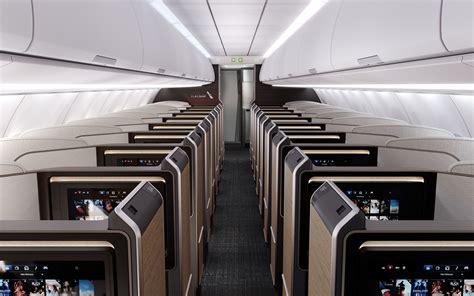
The Airbus A321XLR represents a major strategic investment for American Airlines. The carrier plans to use the aircraft on thinner international routes, particularly across the Atlantic, while maintaining a premium-heavy configuration that includes Flagship Suites, premium economy seating, and upgraded business-class amenities. However, crew members argue that the aircraft’s interior layout creates operational bottlenecks that become more noticeable during long-haul service.
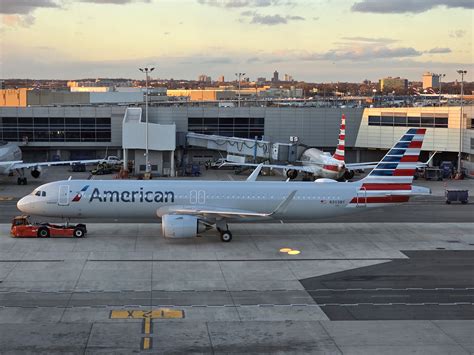
Crew Complaints Highlight Operational Challenges Inside The Airbus A321XLR
Much of the criticism focuses on the aircraft’s unusually tight working environment. According to flight attendants familiar with the jet, the galley space is cramped to the point where routine meal preparation and trash handling become unnecessarily difficult. Narrowbody aircraft already provide less room for onboard service than widebody jets, but crew members claim the A321XLR pushes those limitations even further.
One major frustration involves the lavatory arrangement. The aircraft reportedly features a single lavatory near the front cabin and three in the rear, creating heavy passenger traffic through already narrow aisles. During meal service, flight attendants often need to stop cart movement repeatedly so passengers can squeeze past. On overnight transatlantic flights where timing and efficiency are essential, these interruptions can slow service dramatically.
Crew members have also criticized the premium cabin layout. Despite American Airlines heavily promoting the aircraft’s premium product, some attendants say first-class aisles are so narrow that moving carts becomes awkward, particularly when entertainment screens are extended into the aisle space. This reportedly creates congestion during meal and beverage service, undermining the smooth premium experience American hopes to deliver on high-yield international routes.
Additional complaints center on undersized meal trays in premium economy and coach cabins. Flight attendants claim the trays force them to stack multiple items awkwardly, increasing the likelihood of spills and creating a less polished presentation. While seemingly minor, such details matter significantly in competitive premium travel markets where customer perception increasingly shapes airline loyalty.
Why American Airlines Is Betting Heavily On The A321XLR
Despite the criticism, the Airbus A321XLR remains one of the most strategically important aircraft in American Airlines’ future fleet plans. The aircraft offers airlines exceptional range while consuming significantly less fuel than traditional widebody aircraft operating similar routes. For carriers seeking profitability on thinner long-haul markets, the economics are highly attractive.
American Airlines launched its inaugural A321XLR transatlantic service between New York JFK and Edinburgh, showcasing the aircraft’s ability to connect destinations that may not consistently support larger jets like the Boeing 777 or Airbus A330. The strategy allows the airline to expand international service while controlling operational costs and maintaining premium revenue opportunities.
The aircraft’s appeal extends beyond route flexibility. American configured the A321XLR with a strong focus on premium seating, reflecting the airline industry’s growing reliance on high-margin travelers. Business-class suites, premium economy cabins, and upgraded onboard technology are central to the carrier’s effort to strengthen its international brand positioning.
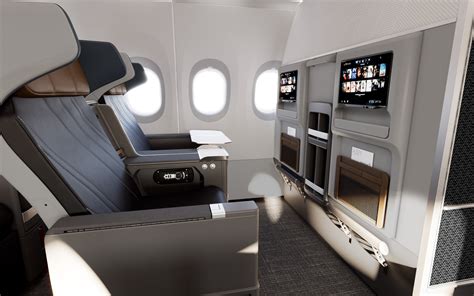
However, the challenge emerges when premium ambitions collide with narrowbody space limitations. Unlike widebody aircraft designed from the outset for long-haul operations, the A321XLR adapts a single-aisle platform for missions lasting seven to nine hours. That creates unavoidable compromises involving storage, crew movement, passenger flow, and rest facilities.
Flight attendants argue those compromises are becoming increasingly difficult to ignore during real-world operations.
Labor Tensions Could Intensify Around Cabin Conditions
The timing of the criticism is particularly sensitive for American Airlines. The carrier continues navigating labor tensions with flight attendants amid broader industry pressure surrounding staffing, scheduling, and workplace conditions. Complaints about the A321XLR could become another flashpoint in ongoing negotiations between management and cabin crews.
Employee morale plays a larger role in airline performance than many investors initially recognize. Flight attendants directly shape passenger experience, particularly in premium cabins where service quality strongly influences customer satisfaction. If crews view the aircraft as physically exhausting or operationally frustrating, service standards can gradually deteriorate even without deliberate work slowdowns.
Several crew concerns also touch on fatigue management. Reports describing makeshift crew-rest seating as inadequate have raised questions about comfort levels on long-haul overnight flights. While the aircraft complies with regulatory requirements, employees argue that compliance alone does not necessarily create sustainable working conditions on demanding transatlantic routes.
American Airlines may ultimately need to adjust onboard procedures, modify galley workflows, or even consider cabin retrofits if complaints persist. Such changes would likely involve additional costs but could help preserve operational consistency and reduce friction between management and employees.
Investors View The Issue As A Manageable Risk — For Now
From a financial perspective, most analysts are unlikely to view the A321XLR complaints as a major threat to American Airlines’ long-term strategy. The aircraft still offers compelling economic advantages and remains central to the airline’s international growth plans.
Investors are currently more focused on larger financial pressures facing the company, including rising fuel costs, heavy debt obligations, and profitability challenges. American Airlines recently reported record first-quarter 2026 revenue while still posting a loss, highlighting how difficult the current airline operating environment remains even amid strong travel demand.
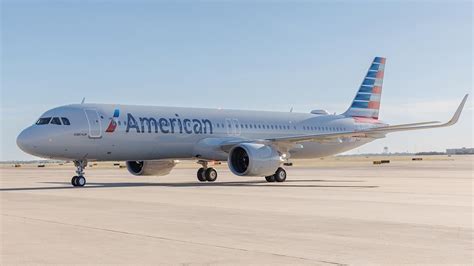
Still, the cabin crew criticism exposes an important operational reality behind the industry’s push toward long-range narrowbody aircraft. Airlines may achieve lower operating costs and greater route flexibility, but those gains can come with trade-offs affecting both employees and passengers.
For American Airlines, the Airbus A321XLR remains a potentially game-changing aircraft. Whether it becomes a long-term operational success may depend not only on fuel efficiency and route economics, but also on how effectively the airline addresses the growing concerns coming from the people working inside the cabin every day.