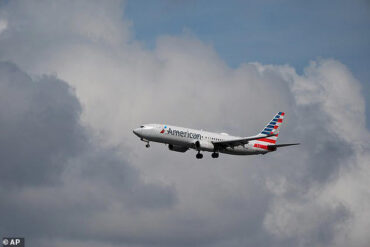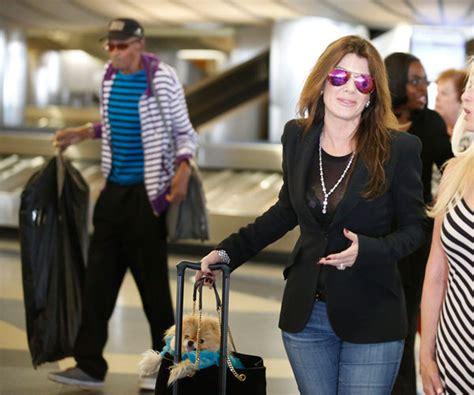
The frustration surrounding air travel delays reached celebrity headlines when Lisa Vanderpump publicly criticized American Airlines following a grueling 12-hour delay at Miami International Airport. The reality television icon, known globally for her role on The Real Housewives of Beverly Hills and Vanderpump Rules, took to social media to document an experience that quickly resonated with thousands of travelers who have faced similar disruptions.
The incident unfolded during what should have been a routine departure from Miami, one of American Airlines’ most critical hubs. Instead, passengers were subjected to a cascade of operational failures that escalated tension, exhaustion, and disbelief. Vanderpump’s high-profile status amplified scrutiny on the airline, transforming a single disrupted flight into a broader conversation about airline reliability and accountability in the United States.
Unlike weather-related interruptions, which are often unavoidable, this delay stemmed from repeated mechanical failures. According to Vanderpump, passengers boarded not one but three separate aircraft, only to be asked to disembark each time due to unresolved technical problems. The unusual repetition intensified passenger frustration and raised questions about aircraft readiness and fleet maintenance standards at a major carrier.
Speaking candidly from the departure lounge, Vanderpump described the ordeal as exhausting and unacceptable. Her remarks, captured in an Instagram video, emphasized not just her own inconvenience but the collective fatigue of fellow passengers who had been confined to gate areas and aircraft cabins for half a day. The phrase “not a good look” struck a nerve online, rapidly spreading across entertainment and aviation news outlets.
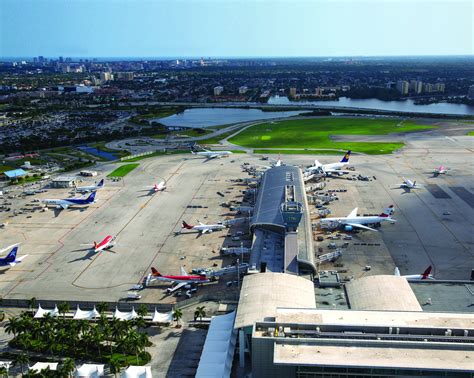
Miami International Airport handles roughly 1,000 flights daily, serving as a gateway to the Caribbean and Latin America. Delays at such a hub ripple quickly through the network, impacting crews, aircraft rotations, and connecting passengers. In this case, the lack of clear communication compounded irritation, leaving travelers uncertain whether departure was imminent or indefinitely postponed.
The situation also highlighted a stark reality of flying within the United States: passengers facing long delays are not legally entitled to cash compensation. While airlines may offer meal vouchers or hotel accommodations at their discretion, federal regulations do not mandate refunds or payouts unless a flight is canceled or a traveler is involuntarily denied boarding. For those stranded for extended periods, the gap between inconvenience and compensation remains wide.
This regulatory contrast becomes sharper when compared to Europe, where EU261 legislation requires airlines to compensate passengers for lengthy delays. Efforts to introduce similar protections in the US gained traction under the Biden Administration but were later withdrawn amid industry pushback. Airlines argued that mandatory compensation would lead to higher fares and operational strain, leaving American travelers with fewer safeguards.
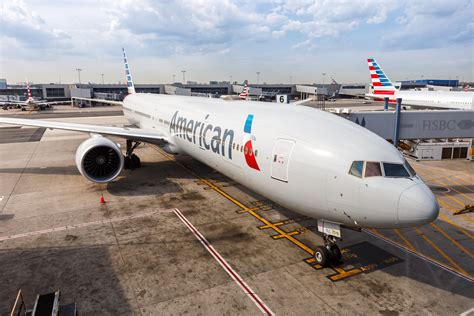
For American Airlines, the timing of this incident was particularly damaging. The carrier has faced sustained criticism over the past year for operational reliability issues, including elevated cancellation rates and below-average on-time performance. Government data comparing major US airlines placed American near the bottom of key reliability rankings, reinforcing perceptions of systemic challenges.
Financial and consumer research further underscores these concerns. Studies indicate that more than 20% of American Airlines flights were delayed in 2024, with average delays exceeding an hour. Customer satisfaction scores have reflected this trend, positioning the airline just above ultra-low-cost competitors in recent industry surveys. Such metrics suggest that the Miami incident was not an isolated anomaly but part of a broader pattern.
Celebrity backlash, however, carries a unique weight. Vanderpump’s platform ensured that the story reached audiences beyond frequent flyers, drawing attention from entertainment media and casual travelers alike. Her criticism echoed a sentiment shared by many passengers: that repeated mechanical failures erode trust, regardless of ticket class or public profile.
As American Airlines continues to expand routes and refine operations, incidents like this underscore the importance of transparency, maintenance investment, and customer care. While delays are sometimes inevitable, the handling of disruptions often defines passenger perception. For travelers watching Vanderpump’s experience unfold, the message was clear: reliability remains a decisive factor in airline loyalty, and public patience is wearing thin.