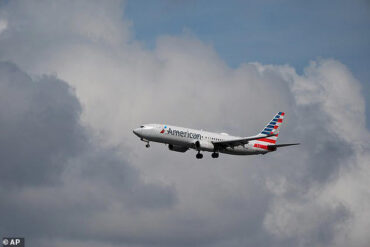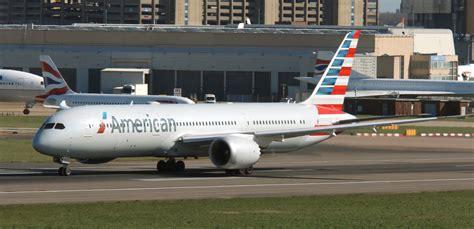
American Airlines has quietly made a strategic move by deploying its latest premium-heavy Boeing 787-9P Dreamliner on a transpacific flight to Tokyo Haneda Airport (HND), marking a surprise upgrade on a route that had not been previously announced for the new aircraft. However, the rollout came with turbulence — quite literally — as flight AA27, originally scheduled to depart from Los Angeles International Airport (LAX) at 10:35 AM on Wednesday, was delayed nearly 24 hours, now scheduled to take off at 10:00 AM Thursday, per data from FlightAware.
Teething Troubles of a Brand-New Dreamliner
The jet in question, likely registration N846AN, is part of American Airlines’ new premium configuration 787-9 Dreamliner fleet, delivered as recently as April 29, 2025. These fresh-off-the-line aircraft have been experiencing their share of operational hiccups. This latest delay isn’t an isolated incident. N846AN has already faced a 32-hour delay earlier in its service life due to undisclosed technical or maintenance issues, revealing how introducing new aircraft—no matter how advanced—often comes with early-stage reliability challenges.
American’s move to introduce the 787-9P to Tokyo marks a significant shift in its rollout strategy. Until now, these aircraft had been strictly assigned to high-traffic U.S. and international destinations such as London Heathrow (LHR), Zurich (ZRH), and Brisbane (BNE). Their appearance on AA27 to Tokyo was entirely unexpected, adding a layer of intrigue to the delay.
A Premium Cabin That Redefines Comfort
The new Boeing 787-9P configuration isn’t just another aircraft variant — it’s an embodiment of American Airlines’ redefined premium flying experience. At the heart of this aircraft is its Flagship Suite, a business-class product featuring fully lie-flat seats, sliding privacy doors, increased personal space, and a dedicated high-end IFE system. Each suite is outfitted with Bluetooth connectivity, USB-C and AC power ports, and 4K QLED seat-back entertainment screens.
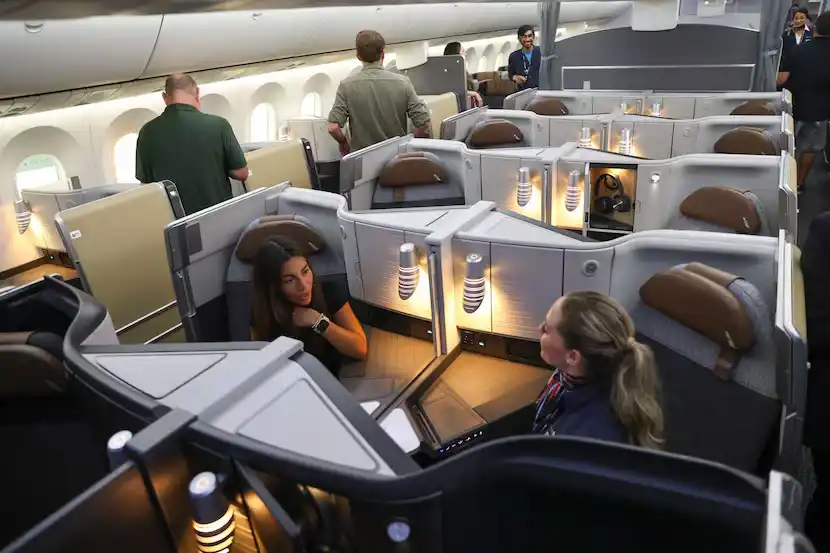
Passengers in premium economy will find significantly enhanced recline, expanded legroom, and upgraded seating materials, creating a true middle-tier product that feels closer to business than economy. The economy cabin, while more compact, doesn’t feel neglected either, featuring ergonomic seats, individual IFE screens, and the same universal power access.
Dining has also taken a notable step forward. In Flagship Suites, passengers are served curated multicourse meals with fine wine pairings, turning a long-haul flight into a culinary experience. These elevated service standards are extended across all cabins, with enhanced menu options, fresh ingredients, and a focus on seasonal regional fare.
Why Tokyo—and Why Now?
American Airlines’ decision to suddenly insert the 787-9P into the Tokyo route comes without a formal announcement or press release, creating a buzz among frequent flyers and aviation observers alike. Tokyo Haneda (HND) is a critical hub in the transpacific network, offering high connectivity and lucrative premium traffic. For a route spanning 5,473 miles (8,808 km), the deployment of a premium-heavy aircraft aligns perfectly with the needs of both business and high-end leisure travelers.
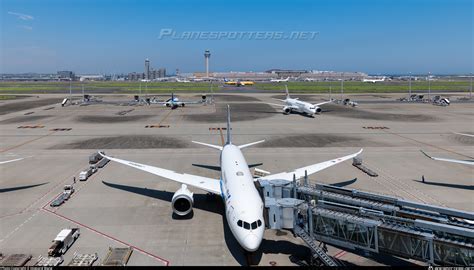
The route typically takes about 12 hours, traversing the Pacific Rim. By offering a first-class cabin feel in business, American is not just selling seats — it’s selling an experience from takeoff to touchdown. However, the last-minute switch may indicate a fleet reassignment, possibly due to operational gaps elsewhere, or perhaps a trial run for future permanent placement of the 787-9P on AA27.
Inside the Cabin: A Firsthand Look at Passenger Perks
For travelers who boarded the rescheduled flight, there’s consolation in knowing they’ll be flying in a state-of-the-art aircraft. The amenity kits in business class are more than token gifts; they feature luxury skincare products, an ergonomically designed eye mask, and even a dual-fabric pillow — one side offering cool-touch technology, the other a traditional finish. A duvet blanket, adjustable headrest, and noise-canceling headphones round out the experience.
In premium economy, passengers enjoy priority boarding, exclusive meal options, and an increased baggage allowance, reinforcing the tier’s elevated value. Economy class passengers are not left out either, benefitting from a new seat design aimed at long-haul comfort, and an IFE system that rivals many business class setups from just a few years ago.
The Growing Dreamliner Fleet
The aircraft operating AA27 belongs to a fleet still in its growth phase. American Airlines plans to continue receiving more 787-9P models through October 2025, as part of a wider fleet modernization strategy. While two jets—registrations N846AN and N845MD—have already been delivered, more are on the horizon. The airline seems committed to phasing out older widebodies and replacing them with premium-centric Dreamliners, positioning itself for transoceanic market dominance.
However, these deliveries haven’t been without friction. Early adopters like N846AN have faced frequent technical delays, which, while not unusual for new aircraft types, do affect passenger trust and brand reputation. American is likely weighing these issues heavily against the commercial benefits of offering a premium cabin layout on long-haul routes.
Industry Impact and Competitor Pressure
This unexpected Tokyo deployment places competitive pressure on other U.S. carriers such as Delta Air Lines and United Airlines, both of which have robust transpacific operations and a growing emphasis on premium seating. American’s bold move signals a willingness to shake up route strategies and introduces the possibility that other under-the-radar route upgrades could be coming soon.
The long-haul battle among the Big Three now extends beyond availability and price — it’s about who can provide the most consistent, luxurious onboard experience. With the 787-9P, American Airlines is making it clear that it wants to be the standard-bearer for premium travel between North America and Asia.
Looking Ahead: Is This a One-Off or a New Chapter?
While American has not confirmed whether the 787-9P will be a permanent fixture on the LAX–HND route, the experiment may offer insights into broader deployment strategies. The airline’s original summer plan, branded as “Suite Summer,” had the 787-9P slated for routes like ORD-LHR, PHL-ZRH, and DFW-BNE, with DFW–Auckland (AKL) reportedly joining in early 2026. Tokyo wasn’t part of the conversation — until now.
Whether due to a fleet reshuffle, a test case for market response, or an early rollout of a broader strategy, the move is telling. As more Dreamliners join the fleet, and as passenger demand for premium experiences at 30,000 feet continues to rise, don’t be surprised to see more route surprises.
In the meantime, passengers on AA27 may have faced an inconvenient delay, but they’ll be boarding a cutting-edge aircraft that redefines what it means to travel in comfort and style across the Pacific. The real story isn’t just the delay — it’s the unexpected acceleration of a premium transformation in international air travel.