In a sweeping overhaul of air passenger compensation rights, the European Union is pushing forward with a controversial new regulation that could dramatically reduce the number of travelers eligible for delay payouts. At the heart of this regulatory revamp is the extension of the minimum delay threshold for financial compensation — from three hours to four hours — a move that has ignited fierce backlash from several prominent EU member states.
The revised framework affects millions of passengers across low-cost and flagship carriers alike, including Ryanair, easyJet, and other major European airlines. The implications of this change stretch far beyond simple reimbursement, touching on legal definitions, consumer trust, and the delicate balance between passenger rights and airline operations.
The Shift from Three to Four Hours: A Fundamental Change in Passenger Rights
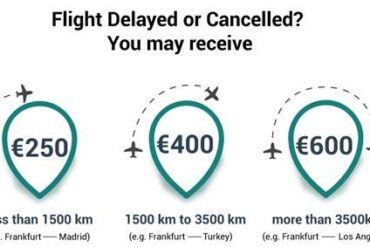
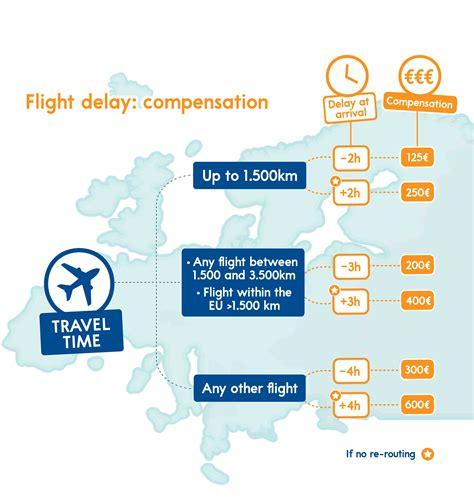
Under current EU Regulation 261/2004, passengers on flights within Europe are entitled to compensation if their flight is delayed by three hours or more — with compensation amounts based on the flight’s distance:
- €250 for delays on flights up to 1,500 km
- €400 for delays between 1,500 km and 3,500 km
- €600 for delays over 3,500 km
However, with the revised legislation, compensation eligibility will begin only after a four-hour delay. The updated scale is also less generous:
- €300 for delays of four hours on flights up to 3,500 km
- €500 for delays of six hours or more, regardless of the flight distance
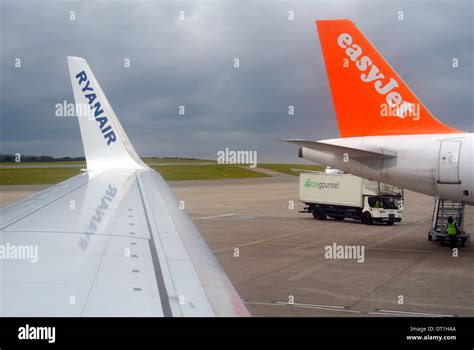
This new tier system not only reduces the base compensation rate but also shifts the burden of eligibility. Many of the delays that previously resulted in automatic payments — especially those in the three-to-four-hour window — will now be excluded. For budget-conscious travelers, particularly those flying on low-cost carriers like Ryanair and easyJet, this could translate to a significant loss in compensation rights.
Member State Resistance: A Deep Divide Across the Union
The EU’s decision has sparked division among its member states, with Germany, Portugal, Spain, and Slovenia leading the resistance. Their objections are not merely symbolic but rooted in concerns about weakened consumer protections and legal ambiguities.
Spain’s Secretary of State for Transport and Sustainable Mobility, José Antonio Santano, voiced strong opposition during the final negotiation stages, labeling the proposal “very sensitive.” Santano emphasized that the delay threshold shift would disproportionately affect Spanish passengers and argued for more explicit legal wording to close loopholes — particularly around “technical problems,” a term often exploited by airlines to dodge responsibility.

Germany, too, has flagged fears over the diminished scope of passenger protections, urging for reinforced safeguards as negotiations continue within the Eurochamber. Portugal has echoed these sentiments, deeming the new rules “unacceptable.” Their collective resistance illustrates a growing rift between the regulators pushing for airline relief and governments demanding stronger consumer rights.
Airline Relief vs Passenger Protection: Searching for a Balance
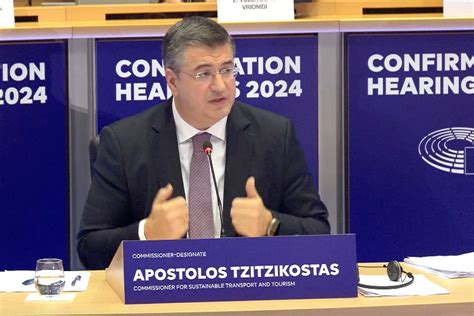
European Transport Commissioner Apostolos Tzitzikostas has tried to mediate the dispute, calling for a “balance between effective passenger rights protection and reasonable effects on carriers.” He underscored the urgency of reaching consensus, warning of “enormous effects on passengers” if the agreement falters.
For airlines, especially low-cost carriers, the proposed revision is a welcome reprieve. Ryanair and easyJet have long contested the rigidity of the three-hour rule, arguing that it fails to account for unforeseen operational delays, weather events, and air traffic control issues. These carriers operate on tight margins, and delay-related payouts represent a significant financial strain.
The new framework, by increasing the compensation threshold and reducing payout amounts, gives airlines more operational leeway — allowing them to manage disruptions without the immediate financial penalty currently in place. For industry stakeholders, it’s a long-overdue shift toward sustainability and resilience in airline logistics.
BEUC and Consumer Advocacy: Protecting the Traveller’s Voice
The EU’s leading consumer protection group, BEUC, has fiercely criticized the reform. In a public statement, it warned that many EU nations appear to be working to “reverse key air passenger rights”, highlighting that most flight delays currently fall between two and four hours — precisely the window affected by the rule change.
EUC is lobbying MEPs to intervene before the regulation is finalized. It views the rollback not only as a betrayal of passenger expectations but also as a dangerous precedent that could weaken EU-wide consumer protections across other sectors. The organization is particularly concerned with how the vague definition of terms like “technical issues” could lead to mass noncompliance by airlines.
From 2013 to 2025: A Regulation 12 Years in the Making
Interestingly, this legislative shift is not a sudden policy pivot. The original proposal dates back to 2013, but has only now reached a consensus under the Polish EU Council Presidency, which called the current agreement “historic.” Initially, the proposal aimed to extend the delay threshold from three to five hours, but following mounting pressure, it was adjusted to four.
Despite the softened approach, the final iteration still faces scrutiny. The European Parliament now has a four-month window to lodge objections. If no substantial opposition materializes within that period, the rule will proceed toward formal ratification and implementation across all EU member states.

New Protections for Passengers With Disabilities
Not all elements of the regulatory reform have attracted criticism. The revised regulation introduces enhanced protections for travelers with disabilities or reduced mobility. It mandates improved boarding support, better access to information, and stricter compliance by airlines and airports in accommodating passengers with special needs.
In addition, airlines will be required to offer automatic complaint forms to travelers experiencing disruption — a move designed to streamline the often-complicated compensation process and increase transparency.
These changes, while largely overshadowed by the compensation controversy, have been welcomed by disability advocates as a step forward in making air travel more inclusive.
Implications for Ryanair, easyJet, and the Flying Public
As two of Europe’s largest low-cost airlines, Ryanair and easyJet are likely to benefit substantially from the revised compensation model. The vast majority of delays experienced by these carriers fall just over the three-hour mark — meaning that under current rules, they are liable for payouts in thousands of cases monthly.
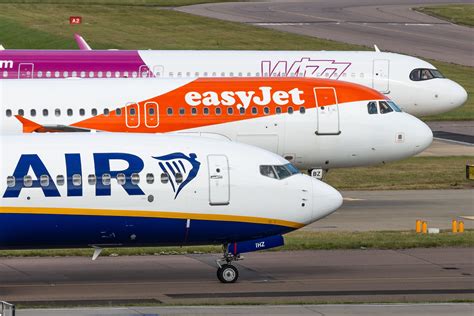
With the new four-hour rule in place, many of these cases would no longer qualify for compensation, easing financial pressure on the airlines. But for passengers, particularly those traveling for budget holidays or short-haul business trips, the shift represents a tangible loss in legal protection and reimbursement opportunities.
Frequent flyers and travel rights groups have warned that this may lead to reduced customer satisfaction, higher complaint volumes, and greater public scrutiny of airline accountability.
What Happens Next: Timeline and Legislative Uncertainty
The immediate future of this regulation rests with the European Parliament, which has until October 2025 to object. If objections are raised, the proposal could return to the drawing board, potentially delaying implementation by months or even years. If not, the EU will proceed with establishing a binding implementation timeline, and the new four-hour compensation rule will become law across all 27 member states.
Whether hailed as a pragmatic update or condemned as a consumer rights rollback, the revised Air Passenger Rights Regulation marks a turning point in European aviation policy. With stakes high on both sides, the months ahead will be critical in determining how Europe defines fairness — not just for airlines, but for the millions who rely on them every day.