A dream itinerary to Cabo San Lucas unraveled into a viral flashpoint over airline customer service when bride-to-be Mary Reile found herself stranded at the airport, mascara-streaked and stunned, after her American Airlines flight was canceled due to severe weather. What was meant to be a celebratory bachelorette escape with nine bridesmaids quickly transformed into a public reckoning over how airlines handle both operational disruptions and human emotion at the gate.
Reile’s Wednesday departure was grounded by storms rippling across the airline’s network, a reminder of how fragile tightly choreographed travel plans can be. Flights to high-demand leisure destinations such as Cabo often operate near capacity, especially during peak wedding season. When cancellations strike, available seats vanish within minutes, leaving large groups particularly vulnerable. In this case, the next itinerary capable of accommodating all nine members of the bridal party reportedly was not available until Saturday, effectively erasing nearly the entire four-day celebration.
The logistical setback alone was costly. Resort reservations had been secured months in advance, activities prepaid, outfits coordinated. But the incident escalated beyond scheduling frustrations when Reile shared a TikTok video recounting an alleged remark from a gate agent: “Save your tears. I’ve seen a million of you today.” The clip, viewed more than 800,000 times, reframed the cancellation as something more than weather-induced inconvenience. It became a story about tone, empathy, and the power of words spoken during high-stress travel moments.
Weather Disruptions and the Domino Effect Across Airline Networks
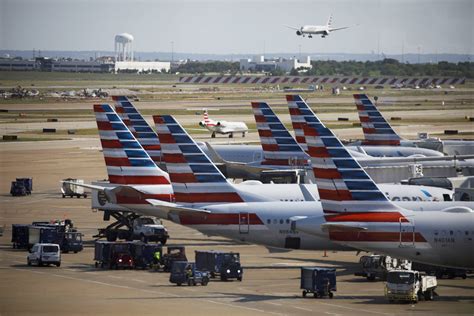
Airlines classify severe weather as an “irregular operation” outside their control. Under American Airlines’ published policies, passengers affected by weather-related cancellations are typically rebooked on the next available flight with open seats rather than automatically added to a newly created service. That distinction matters. When storms disrupt a major hub such as Dallas/Fort Worth International Airport, aircraft and crews fall out of position. A morning thunderstorm can cascade into a day-long tangle of delayed departures, missed connections, and grounded aircraft awaiting new crews.
Commercial aviation runs on an intricate choreography of aircraft rotations and federally mandated crew duty-time limits. Pilots and flight attendants cannot legally exceed regulated working hours. Once they “time out,” even a cleared runway cannot resurrect a canceled flight. To passengers, the plane visible at the gate may look ready. Behind the scenes, however, the crew assigned to operate it may be unavailable, displaced, or prohibited from flying further segments.
In leisure corridors like the United States to Mexico, demand compounds the problem. Summer routes to Cabo frequently depart at or near full capacity. Rebooking a single traveler can be challenging; rebooking nine travelers together becomes exponentially more difficult. Airlines prioritize available seats on existing departures before considering additional flights, and during weather recovery periods, spare aircraft and crews are scarce commodities.
When Operational Policy Collides With Emotional Stakes
Weather policies are procedural. Weddings are not. Milestone travel compresses emotional significance into fixed calendar dates. A bachelorette party is not merely a vacation; it is a symbolic threshold before marriage. When disruptions occur, passengers perceive the loss as experiential rather than logistical. The tension between operational neutrality and personal urgency often ignites conflict at the gate.
Reile’s account suggests that what lingered most was not the cancellation itself but the alleged dismissal of her visible distress. Social media accelerated that emotional dimension. Within hours, viewers weighed in with parallel stories involving missed honeymoons, postponed anniversaries, and international trips derailed by storms. The incident evolved into a referendum on frontline customer service in the airline industry.
Brand perception in aviation frequently hinges less on the inevitability of delays and more on how those delays are communicated. Carriers across the United States encounter similar meteorological disruptions, yet travelers often differentiate between airlines based on perceived empathy and responsiveness. In the wake of the viral video, comparisons emerged online, including references to competing airlines viewed as more customer-centric. Whether fair or anecdotal, such comparisons underscore the reputational stakes embedded in every gate interaction.
Lost Luggage and Compounding Frustration
The disruption reportedly extended beyond ticket rebooking. Several bridesmaids did not immediately receive their checked luggage following the cancellation, creating uncertainty over whether essential outfits and personal items would arrive in Mexico. Baggage systems, like flight schedules, can be destabilized by network interruptions. When itineraries change rapidly, bags must be rerouted, scanned, and reconciled across multiple flights and airports. Misalignment between passenger and baggage routing is a common byproduct of large-scale irregular operations.
For a bridal party with coordinated attire and event-specific items packed in checked bags, the uncertainty amplified the sense of loss. The psychological effect of stranded luggage often surpasses its material value. Clothing can be replaced; sentimental accessories tied to milestone events cannot. The combination of schedule collapse and missing belongings intensified the narrative momentum that propelled the story across platforms.
“Operation Save Cabo” and a Viral Rebound
Despite the setback, the story did not conclude at the departure gate. Reile and her bridesmaids regrouped under what they dubbed “Operation Save Cabo,” researching alternatives and securing seats on a smaller aircraft the following day. A follow-up video captured the group walking across the runway toward their plane, cheering at what felt like an improbable recovery.
By the time the group reached their resort in Cabo San Lucas, despair had given way to celebration. Reile later described the ordeal as a defining memory of 2025, second only to her wedding itself. The transformation from cancellation to comeback reframed the narrative arc: adversity, public confrontation, and eventual triumph.
View this post on Instagram
Yet the broader conversation persists. Airlines operate within rigid regulatory and logistical frameworks that make weather cancellations unavoidable. The viral resonance of this incident suggests that procedural compliance is not synonymous with customer satisfaction. Travelers may accept that storms cannot be controlled. What they scrutinize is the human exchange that follows.
In an era where a single comment can reach hundreds of thousands within hours, frontline employees carry disproportionate influence over brand reputation. A sentence spoken in fatigue can echo across the internet long after skies clear and aircraft resume departure. For airlines, the lesson extends beyond scheduling algorithms and crew management. It reaches into training rooms and corporate culture, where empathy must coexist with efficiency.
The stranded bride’s story illustrates a modern aviation paradox. Aircraft are marvels of engineering precision, guided by radar, regulation, and relentless planning. Yet the experience of air travel remains intensely human, shaped by emotion, expectation, and memory. When those forces collide at Gate C12 on a stormy Wednesday, the consequences can ripple far beyond the terminal.