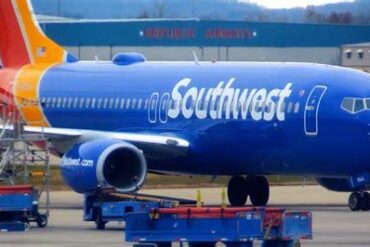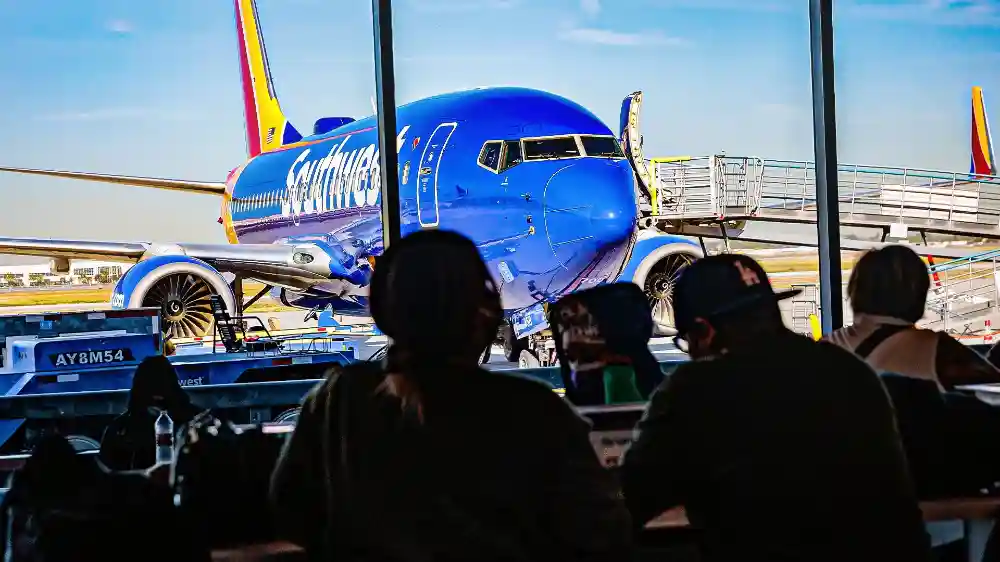
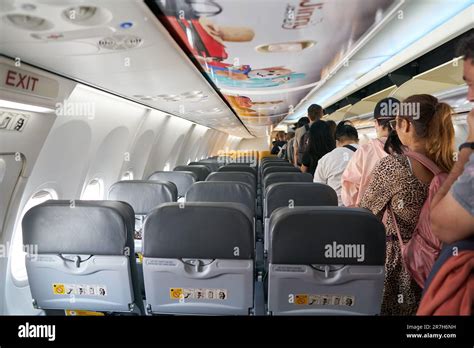
Many airline passengers recognize the familiar scene that unfolds moments after an aircraft reaches the gate. The seat belt sign switches off, several travelers immediately stand up, overhead bins begin opening, and the aisle quickly fills with people waiting for the cabin door to open. Southwest Airlines recently turned that everyday travel moment into a social media joke, but the lighthearted post quickly evolved into a heated discussion about passenger etiquette, comfort, and the realities of modern air travel.
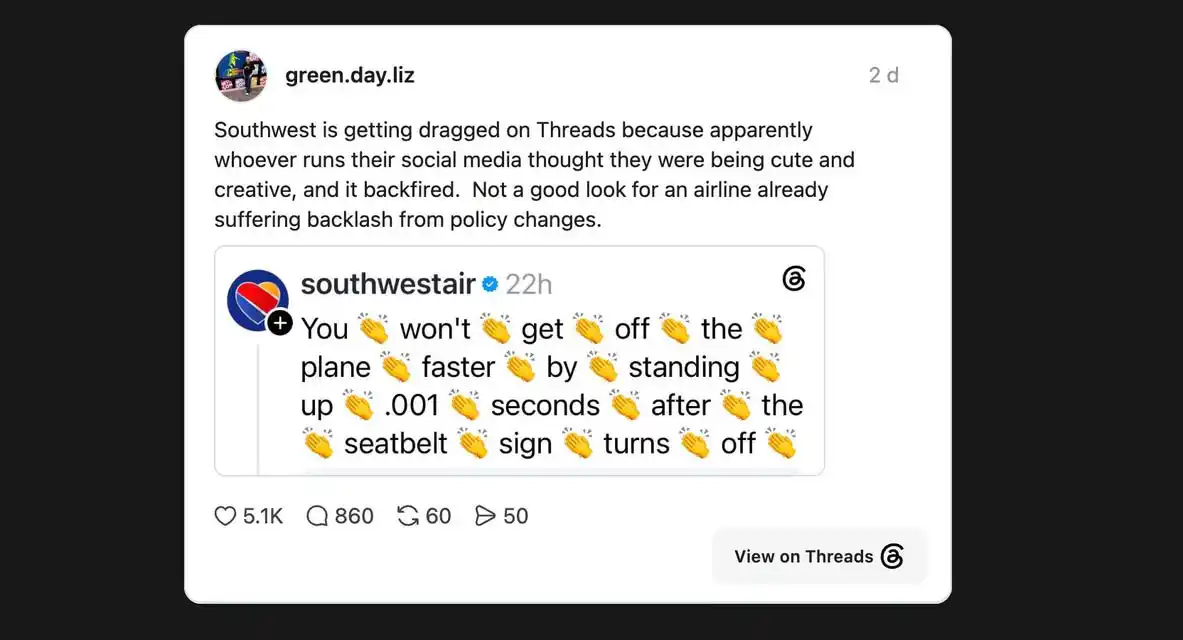
The airline’s message, published on Threads, playfully called attention to travelers who jump out of their seats as soon as the seat belt sign is extinguished. While many followers appreciated the humor and related to the observation, others argued that the airline unfairly criticized passengers whose actions are motivated by practical concerns rather than impatience. The discussion attracted hundreds of comments and highlighted how even the simplest travel habits can divide public opinion.
Rather than remaining a harmless joke, the post became a broader conversation about airline experiences, passenger behavior, and how social media can amplify everyday frustrations. Some commenters even shifted the discussion toward Southwest’s own onboard experience, arguing that discomfort in airline seats makes standing immediately after landing entirely understandable.
Southwest Airlines’ Social Media Post Quickly Divides Travelers
Southwest’s Threads post focused on one of aviation’s most recognizable behaviors: passengers standing the instant the aircraft reaches the gate despite knowing they may still wait several minutes before leaving the airplane. The humorous tone reflected the kind of relatable travel content airlines frequently publish to engage customers, but this particular message struck a nerve.
Many travelers defended the airline’s playful observation, noting that standing early rarely results in getting off the aircraft any faster. They argued that rushing into the aisle only creates unnecessary congestion while everyone ultimately waits for the cabin door to open and rows ahead to exit first.
Others strongly disagreed with that perspective. Numerous passengers explained that standing is not an attempt to cut ahead but simply an opportunity to stretch after spending hours confined to a narrow seat. For many frequent flyers, especially those on longer routes, standing provides immediate physical relief from extended periods of sitting.
Several travelers also emphasized that preparing bags, putting on jackets, and organizing personal belongings before deplaning actually helps speed up the exit process once movement begins. From their perspective, being ready when their row is called contributes to a smoother and more efficient deplaning experience.
Why Many Passengers Stand Before Deplaning
Although standing immediately after arrival is often criticized, aviation professionals and experienced travelers recognize that the behavior is driven by several legitimate factors rather than simple impatience.
Passengers on long flights frequently experience stiffness after remaining seated for several hours. Standing allows them to restore circulation, stretch muscles, and reduce discomfort while waiting for the aircraft door to open. For taller passengers or those with limited legroom, the opportunity to stand can provide significant relief.
Travelers with tight connecting flights also feel pressure to prepare early. Even if standing does not dramatically shorten the time required to leave the aircraft, gathering belongings in advance allows them to move immediately once their row begins exiting. Every minute can matter when connecting between terminals or navigating large airports.
Passengers seated toward the rear of the aircraft often understand they will remain onboard for several additional minutes. Rather than sitting idle, many use this waiting period to retrieve carry-on luggage, organize electronics, and prepare for the next stage of their journey.
These practical considerations explain why standing has become an established habit among experienced travelers despite ongoing criticism from fellow passengers.
Passenger Etiquette Continues to Divide Frequent Flyers
The online reaction demonstrates that airline etiquette remains highly subjective, with opinions shaped by individual travel experiences, personal comfort, and differing expectations about courtesy.
Passengers who remain seated generally believe orderly deplaning creates less congestion and reduces unnecessary crowding inside the cabin. They argue that waiting until the row ahead moves maintains a smoother flow while minimizing frustration for everyone onboard.
Those who prefer standing see the situation differently. They view the practice as courteous preparation rather than queue jumping, believing that being organized before movement begins helps avoid delays once passengers are actually able to leave.
Neither perspective has achieved universal acceptance, explaining why debates surrounding post-landing behavior continue to resurface across social media whenever airlines comment on the subject.
The disagreement also illustrates how everyday travel routines are interpreted differently depending on personal priorities. Comfort, efficiency, courtesy, and travel schedules all influence how passengers respond after reaching the gate.
Southwest’s Timing Adds Another Layer to the Discussion
The debate arrives during a period of significant operational changes for Southwest Airlines. The carrier has introduced assigned seating and implemented broader adjustments to its boarding procedures, marking one of the most notable shifts in its long-standing customer experience.
Because boarding and seating policies directly affect how passengers move through the cabin, any discussion about onboard behavior naturally attracts additional attention. Although the airline’s social media post was intended as humor, its timing encouraged broader conversations about customer expectations, boarding efficiency, and passenger satisfaction.
Some online users also redirected criticism toward Southwest’s seating comfort, suggesting that the desire to stand immediately reflects the physical realities of today’s airline cabins rather than poor passenger manners. These comments expanded the discussion beyond etiquette alone, touching on aircraft seating design and overall travel comfort.
A Simple Joke Reveals Bigger Questions About Modern Air Travel
Southwest Airlines’ viral Threads post demonstrates how even lighthearted social media content can ignite meaningful conversations about everyday travel experiences. What began as a playful observation quickly evolved into a broader debate about comfort, efficiency, courtesy, and the realities of commercial aviation.
For some passengers, standing immediately after landing remains an unnecessary ritual that accomplishes little beyond crowding the aisle. For others, it is a practical response to hours of sitting, limited space, and the need to prepare for a fast departure.
The overwhelming response to Southwest’s post makes one point unmistakably clear: there is still no universal agreement on the “correct” way to behave once an aircraft reaches the gate. As airlines continue modernizing boarding procedures and customer experiences, debates over passenger etiquette are likely to remain just as active as the conversations taking place online.