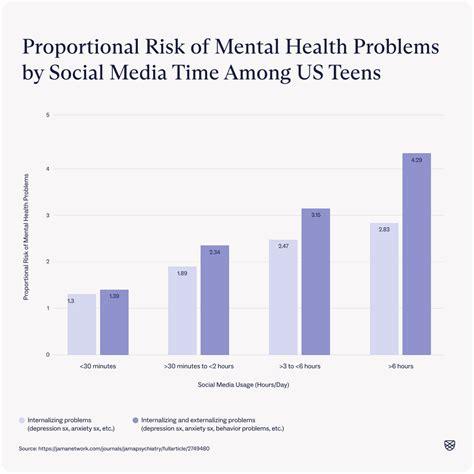
The internet has profoundly transformed the landscape of communication, especially for today’s preteens. However, this transformation comes with alarming consequences. Research from UC San Francisco has uncovered a troubling link between increased social media usage and rising rates of depression among preteens. As parents grapple with the urgent need to address these issues, it’s clear that the conversation surrounding digital habits must evolve beyond mere restrictions. This is a pressing matter of mental health, and the statistics are concerning. A longitudinal study tracking nearly 12,000 children over three years found that when daily social media use escalated from just seven minutes to 73 minutes, symptoms of depression surged by an astonishing 35%. Even more disheartening is the fact that children subjected to cyberbullying were more than twice as likely to experience suicidal thoughts or attempts within a year.
Understanding the Digital Dilemma Facing Families
For many families, the instinctive approach has been to impose restrictions—taking away devices, deleting apps, or blocking Wi-Fi access. However, these punitive measures often backfire. Instead of feeling protected, preteens often perceive such actions as punishment, which can lead to emotional withdrawal and a greater sense of isolation. This creates a dangerous cycle where instead of fostering open communication, parents may inadvertently push their children deeper into hiding their online activities. The stakes are high; preteens are particularly susceptible to the pitfalls of online environments, including peer pressure, comparison, and exposure to harmful content. The real tragedy lies in the missed opportunities for prevention that arise from ineffective communication strategies.
What’s Driving Social Media Addiction?
To effectively support their children, parents must first comprehend what draws preteens to social media platforms. For many young adolescents, social media transcends mere entertainment; it serves as a vital aspect of their identity and social existence. During a developmental phase where peer connections become paramount, these digital platforms provide a sense of belonging, validation, and visibility. Yet, the very tools designed to foster connection are also meticulously engineered for addiction. Features like algorithm-driven feeds, constant notifications, and endless scrolling serve to manipulate attention spans and emotional responses. The paradox is evident: preteens may find themselves caught in an internal conflict, feeling both drawn to and drained by their social media experiences. This emotional turmoil is a significant factor contributing to the surge in mental health issues.
The Conversation That Could Save a Life
Here lies the crucial truth: yelling and abrupt bans rarely yield positive results. Instead, fostering an open dialogue through calm, consistent, and curious conversations can make all the difference. Parents should aim to create an environment where children feel heard rather than judged. Recent guidelines emphasize seven core strategies that can transform these interactions:
- Start with curiosity, not criticism: Begin by asking your child what they enjoy about platforms like TikTok or Instagram before discussing potential dangers.
- Reference data: Ground the conversation in facts, such as the alarming 73-minute threshold linked to depression, rather than relying on fear tactics.
- Validate social needs: Recognize that the desire for connection is a normal part of growing up, while also discussing healthier alternatives for achieving it.
- Focus on mood shifts: Encourage children to be mindful of their feelings, helping them recognize when their mood declines after scrolling.
- Set boundaries together: Collaborate with your child to establish screen-free zones or quiet hours that respect their autonomy.
- Model behavior: Demonstrate healthy digital habits by putting your phone down during family meals or dedicated time together.
- Keep the dialogue ongoing: Treat these conversations as part of an ongoing relationship rather than a one-time discussion.
Why Timing Matters More Than Ever
The urgency of these conversations has never been greater. With younger children gaining access to smartphones at earlier ages, the average age of exposure to social media continues to decline. This trend means that mental health risks are surfacing sooner and more rapidly than ever before. Preventive measures are no longer optional; they are essential. Parents who engage in discussions about digital habits early on can help their children cultivate awareness, self-control, and emotional resilience before negative patterns solidify. Additionally, creating a space for honest dialogue fosters trust—a critical safety net for when challenges arise, such as cyberbullying, sextortion, or online harassment.
The Role of Schools and Travel in Rebuilding Digital Balance
Beyond the home, schools play an integral role in addressing these issues. Institutions that implement digital literacy programs equip students with the necessary tools to navigate online spaces safely. Educators and counselors can also serve as neutral figures who reinforce healthy digital habits. Yet, an often-overlooked ally in this endeavor is travel. Family trips provide invaluable opportunities to disconnect from screens and reconnect with one another. Whether spending a day at the beach without technology or embarking on a hiking adventure where phones are left behind, travel offers organic breaks from digital distractions. These experiences cultivate connection, confidence, and real-world social skills that children often miss when fixated on devices. Furthermore, tourism brands can contribute by offering digital detox programs or nature retreats, creating lifelines for families seeking to reset together.
What Tourism and Hospitality Can Do
As mental wellness becomes increasingly prioritized among travelers, the tourism industry finds itself uniquely positioned to lead the charge. Hotels, airlines, and destinations can develop packages that promote screen-free bonding experiences, mindfulness activities, and family wellness programming. Airlines might consider introducing inflight educational content focused on healthy digital habits, while hotels could offer guided family excursions that emphasize presence over posting. Tourism boards can highlight quiet zones, wellness trails, and immersive cultural experiences that naturally encourage families to shift their focus away from screens. By establishing environments where digital pauses are the norm rather than the exception, families gain the necessary space to reconnect and realign with one another.
The Future of Parenting in a Digital World
Navigating the journey of parenting preteens today means venturing into uncharted territories. Social media is not going away; however, neither is the power parents possess to influence their children positively. Your presence, your example, and your commitment to open dialogue can create life-saving differences. It’s imperative to initiate conversations before crises arise, listen intently before lecturing, and remind your child that behind every app, post, and comment, they are never alone. This moment calls for a new breed of parenting—one that is not disconnected or reactive but informed, engaged, and fundamentally human. Ultimately, nothing holds greater significance than ensuring our children’s safety—both online and offline.