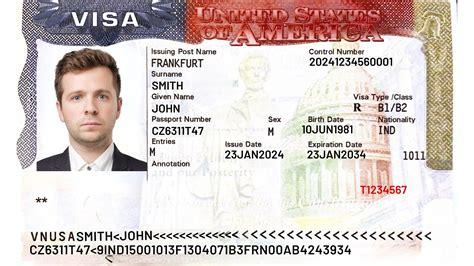
Foreign nationals applying for US visas now face strict new regulations mandating full access to their social media accounts as part of an intensified government screening process. This change was announced by the US State Department, marking a significant shift in how visa applications are processed. The reinstated processing of student visas for international applicants comes with a requirement that could fundamentally alter the experience of those seeking educational opportunities in the United States.
Under the updated guidelines, applicants are required to provide access to their social media profiles, allowing US authorities to conduct comprehensive online background checks. This includes a thorough examination of social media posts, interactions, and private messages to identify any content that may be perceived as hostile towards the United States, its institutions, or foundational values. The goal is clear: to enhance national security by scrutinizing the online behavior of foreign nationals.
As part of this initiative, authorities have emphasized that any refusal to grant access to social media accounts could lead to application rejection. Such refusals may be interpreted as attempts to conceal online activity or evade the rigorous screening process. The State Department’s decision to implement these measures reflects a broader commitment to improving digital surveillance methods regarding individuals seeking entry into the country for educational purposes.
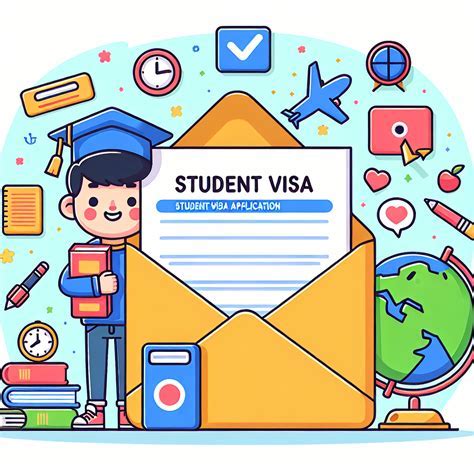
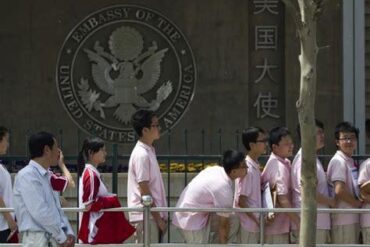
The renewed interest in US educational institutions has led many international students to eagerly await the reopening of consulates for visa interview appointments. However, the introduction of these stringent requirements has added an additional layer of complexity to the already challenging visa application process. Students from countries such as China, India, Mexico, and the Philippines have taken to social media to share their experiences and track updates on visa appointment availability. Many are closely monitoring booking platforms and State Department announcements in hopes of securing interviews before the academic year begins.
The new regulations come in the wake of a tumultuous period during the Trump administration when international students faced heightened scrutiny. In the spring of that year, thousands had their permission to remain in the country revoked due to minor infractions, only for the decision to be unexpectedly reversed later. The administration had broadened the criteria under which foreign students could lose their legal status, adding to the uncertainty within the academic community. Notably, the Trump administration targeted prestigious institutions, including Harvard University, with attempts to block foreign students from enrolling. Such actions were widely viewed as politically motivated, given the significant financial contributions international students make to these universities.
The previous administration’s focus on tightening immigration controls extended beyond students. It called upon 36 countries to enhance their traveler vetting systems, threatening that non-compliance could result in severe travel restrictions for their citizens. This diplomatic pressure highlighted the lengths to which the US government was willing to go to enforce its immigration policies and safeguard national interests.
Now, with the introduction of the new social media access requirement, the landscape for international student visa applicants has shifted dramatically. The implications of this policy extend beyond mere administrative procedures; they touch on broader issues of privacy, freedom of expression, and the perception of foreign nationals in the eyes of the US government. As applicants navigate this new terrain, they must weigh the potential risks and benefits of their online presence in the context of their visa applications.
The requirement to disclose social media accounts raises critical questions about privacy rights and the extent to which the government can intrude into the personal lives of individuals seeking entry into the country. While the government justifies these measures as necessary for national security, critics argue that they could lead to discrimination against certain groups based on their online activities or affiliations. This concern is particularly relevant for students from countries with strained relations with the US, who may fear that their social media activity could be misconstrued or unfairly judged.
Moreover, the potential for misinterpretation of social media content poses another risk for applicants. What constitutes a threatening or antagonistic sentiment can be highly subjective, leading to inconsistencies in how different consular officers might evaluate an applicant’s online presence. This inconsistency could result in arbitrary decisions that adversely affect deserving candidates who simply wish to pursue their education in the United States.
As the academic community continues to adapt to these new realities, the response from international students and educational institutions remains critical. Advocacy groups are likely to emerge, pushing back against the perceived overreach of government policies and advocating for fair treatment of foreign nationals. Meanwhile, universities and colleges will need to provide support and guidance to prospective students navigating the complexities of the visa application process under these new rules.
In conclusion, the new US visa regulations requiring foreign applicants to grant access to their social media accounts signify a pivotal moment in the intersection of immigration policy and digital privacy. While aimed at enhancing national security, these measures also raise significant ethical questions about privacy, free speech, and the treatment of international students. As the global educational landscape evolves, so too must the approaches we take to ensure that opportunities for learning and growth remain accessible to all, regardless of their nationality or online presence.