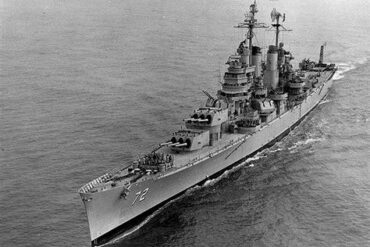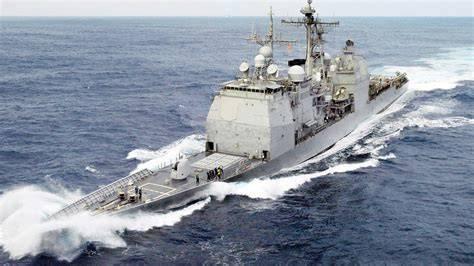
For more than four decades, the Ticonderoga-class cruisers have been among the most important warships in the United States Navy. Built around the powerful Aegis Combat System, these guided missile cruisers have protected aircraft carriers, coordinated fleet operations, and provided some of the world’s most advanced air-defense capabilities. However, as these ships approach the end of their service lives, the Navy faces a difficult question: what could replace them?
The answer remains uncertain. Unlike previous generations of naval vessels, the retirement of the Ticonderoga class does not have a direct successor ready to enter service. Instead, the Navy is relying on a combination of upgraded destroyers and future programs to cover the missions once handled by these iconic cruisers.
Why the Ticonderoga-Class Cruisers Are Being Retired
The Navy originally built 27 Ticonderoga-class cruisers, with the first ships entering service in the early 1980s. These vessels represented a major leap forward in naval warfare, combining powerful radar systems, vertical launch missile technology, and advanced command capabilities into a single platform.
Over time, however, decades of operations have created significant maintenance challenges. The remaining cruisers require increasingly expensive repairs, upgrades, and modernization efforts to remain effective against modern threats. Although some ships received temporary service-life extensions, the Navy determined that keeping the aging fleet active was becoming less practical compared with investing in newer platforms.
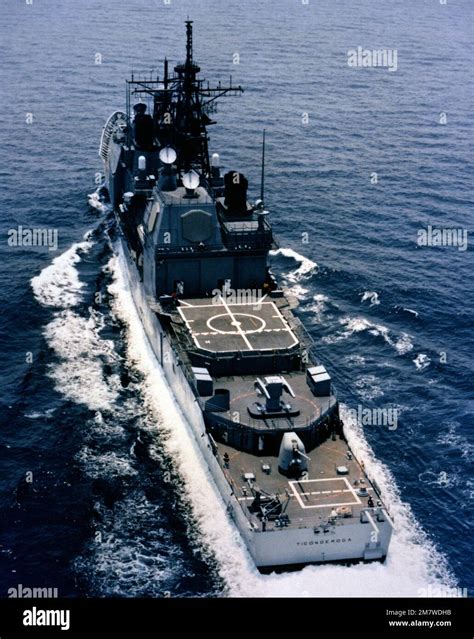
The retirement process does not reflect a failure of the design. In many ways, the Ticonderoga-class remains one of the Navy’s most capable surface combatants. Its challenge is not a lack of combat power but the difficulty of maintaining 40-year-old ships in an era of rapidly advancing missile technology, electronic warfare, and increasingly complex naval threats.
Arleigh Burke Destroyers Take Over Many Cruiser Missions
The Navy’s immediate solution is not to build another cruiser. Instead, many responsibilities are shifting toward the latest Flight III Arleigh Burke-class destroyers. These ships feature the advanced SPY-6 radar and upgraded versions of the Aegis system, giving them powerful air-defense and fleet coordination capabilities.
Although classified as destroyers, Flight III Arleigh Burke ships can perform many missions traditionally associated with cruisers. They can escort aircraft carriers, defend naval groups from missile attacks, and provide command support during major operations.
However, these destroyers cannot completely replace everything the Ticonderoga class provides. Cruisers were designed with additional command facilities, larger crew capacity, and specialized capabilities that made them valuable fleet flagships. The Navy is therefore accepting a temporary capability gap while developing a longer-term replacement strategy.
DDG(X) Could Become America’s Next Large Surface Combatant
The Navy’s future answer may come through the DDG(X) program, a next-generation large surface combatant designed to eventually replace both aging cruisers and older destroyers. The program is expected to introduce improved sensors, greater power generation, advanced weapons, and increased flexibility for future technologies.
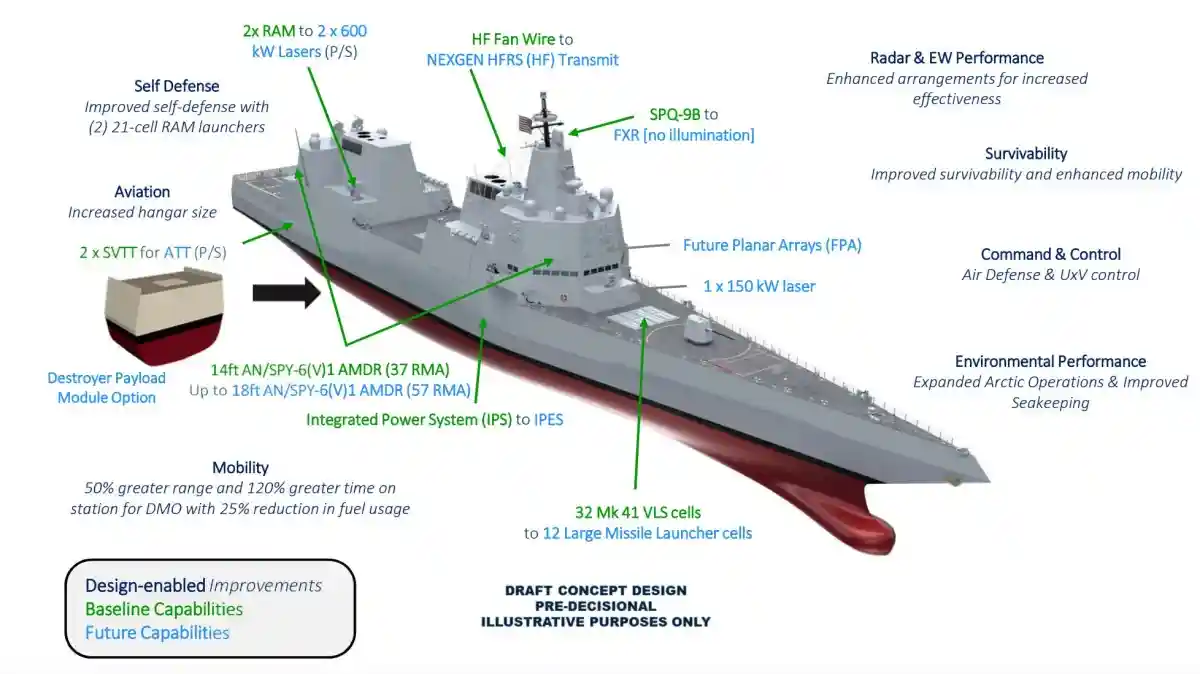
However, DDG(X) remains years away from entering operational service. The first ships are not expected until the early 2030s, meaning the Navy must rely on existing platforms during a critical transition period.
This unusual situation highlights a broader challenge in modern naval planning. Developing advanced warships requires decades of investment, while existing vessels continue to age faster than replacements can be built.
The Uncertain Future of America’s Cruiser Replacement
For now, the Navy’s approach is based on adaptation rather than direct replacement. Flight III Arleigh Burke destroyers will absorb many cruiser missions, while the future DDG(X) program represents the long-term vision for America’s large surface combatant fleet.
The retirement of the Ticonderoga class marks the end of an important era in naval history. Yet it also reflects the changing nature of warfare, where networks, sensors, missiles, and distributed capabilities are becoming just as important as the size of individual ships.
The question of what will truly replace America’s Ticonderoga-class cruisers remains unanswered. Until DDG(X) arrives, the Navy will continue balancing immediate operational needs with the demands of building the next generation of warships.