World War II reshaped naval warfare, introducing a dynamic range of warship types that each played specialized roles across the world’s oceans. Among these vessels, cruisers emerged as one of the most adaptable and essential ships in the naval hierarchy. Bridging the gap between the mighty battleships and agile destroyers, cruisers carried out critical missions with precision, power, and speed. Their influence often went unnoticed in public memory, yet their presence was indispensable in many of the war’s most pivotal maritime engagements.
The Strategic Purpose of Cruisers in Naval Warfare
At the heart of cruiser deployment was versatility. These ships could adapt to shifting battlefield needs and operate both independently and as part of larger naval task forces. Cruisers had the speed to keep pace with aircraft carriers, the durability to withstand damage, and the firepower to challenge other surface ships. This made them ideal for roles such as escorting carriers, patrolling shipping lanes, launching reconnaissance missions, and conducting offensive assaults.
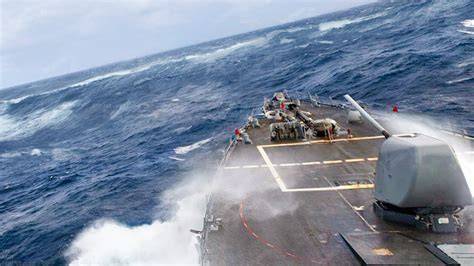
One of their most valuable contributions came as carrier escorts. Aircraft carriers, though powerful, were vulnerable without support. Battleships were too slow to keep up, and destroyers, while fast, lacked durability and sufficient armament. Cruisers provided the perfect balance. They shielded carriers from enemy aircraft and submarines while also engaging enemy ships when needed.
Cruisers also served as forward scouts for battle groups. Equipped with radar and reconnaissance aircraft, they could detect enemy fleets or submarines long before they posed a direct threat. This proactive role allowed Allied forces to outmaneuver the Axis navy in several engagements.
Armed for Action: The Firepower of WWII Cruisers
Cruisers were not passive protectors; they were aggressive combatants in their own right. They were bristling with artillery, ranging from 6-inch to 12-inch main guns, depending on the class. Many cruisers also carried anti-aircraft weaponry, depth charges, and even torpedo launchers for anti-submarine warfare.
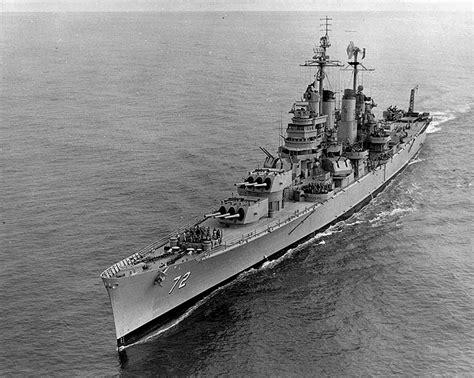
The American Baltimore-class heavy cruisers, for instance, were fitted with a robust armament configuration that included nine 8-inch guns and up to 40 anti-aircraft guns. These ships could bombard coastal positions, engage enemy vessels, and defend against aerial assaults all at once.
Japan’s Kuma-class light cruisers reflected another strategic variant — emphasizing speed and torpedo capability. Modified to carry Type 93 “Long Lance” torpedoes, these ships were lethal threats to Allied shipping, especially in night battles.
Legendary Cruisers That Defined Naval Battles
Throughout the war, several cruisers became central to historic naval confrontations. Among the British fleet, HMS Norfolk and HMS Dorsetshire were instrumental in the destruction of the feared German battleship Bismarck. After days of relentless pursuit across the Atlantic, these cruisers helped corner and ultimately sink the pride of the Kriegsmarine, delivering a symbolic and strategic blow to Nazi Germany.
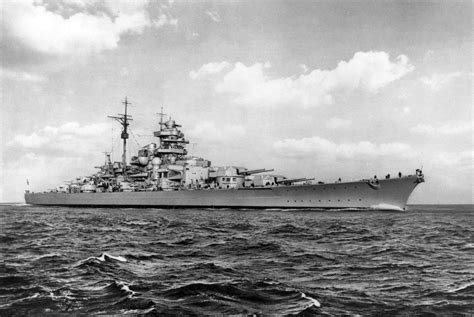
On the Axis side, Germany deployed a mix of cruisers in offensive and support roles. The Königsberg, for example, participated in the invasion of Norway, providing artillery support for landing troops. However, it earned a grim place in naval history by becoming the first major warship sunk by aerial attack in wartime, when British dive bombers struck it in Bergen harbor.
Another notable German cruiser was the Prinz Eugen, which fought alongside the Bismarck in the infamous battle that saw the sinking of HMS Hood — a catastrophic loss for the Royal Navy. Though damaged, Prinz Eugen escaped destruction and later surrendered to Allied forces. She was the largest German warship captured intact, later used for nuclear testing by the U.S. military.
The American Alaska-Class: Cruiser or Battlecruiser?
A particularly intriguing chapter in cruiser development came with the introduction of the Alaska-class ships by the United States. These vessels pushed the upper limits of cruiser classification and blurred the lines between heavy cruisers and battlecruisers.
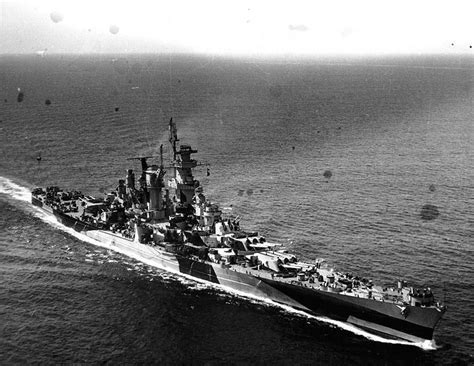
With a displacement nearing 30,000 tons and measuring over 800 feet in length, USS Alaska and USS Guam were massive by cruiser standards. Each was equipped with nine 12-inch guns, delivering formidable long-range firepower. They were initially designed in response to rumored super-cruisers under development by Japan, which ultimately never materialized. Nonetheless, the Alaska-class cruisers served actively in the Pacific theater, supporting carrier groups and bombarding Japanese positions until the war’s end.
Post-War Evolution and the Dawn of Missile Cruisers
While cruisers had proven themselves indispensable in World War II, the advent of the jet age and missile technology rendered traditional gunships increasingly obsolete. As aircraft became faster and more destructive, warships needed to adapt. This led to a revolutionary transformation in cruiser design.
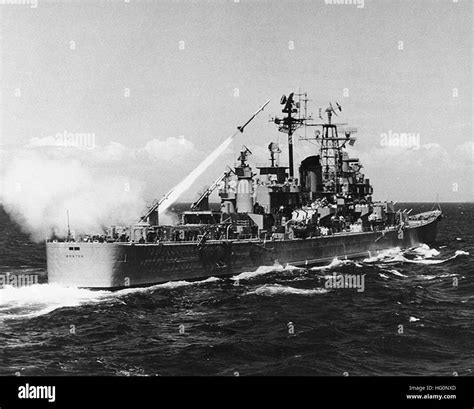
The U.S. Navy pioneered this shift by converting two Baltimore-class cruisers into Boston-class guided missile cruisers. These ships became the first guided missile cruisers in the world, with their rear gun turrets replaced by Terrier missile launchers. This adaptation marked the birth of the modern cruiser era — one defined by long-range missiles, electronic warfare, and radar systems.
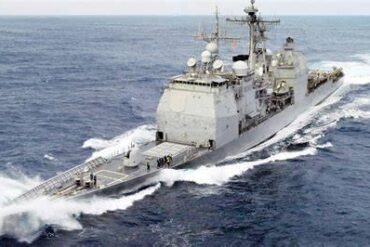
In the decades that followed, the role of cruisers evolved from ship-to-ship combatants into multi-role command platforms. Modern cruisers, such as the Ticonderoga-class, now serve as command-and-control hubs equipped with the Aegis Combat System, Tomahawk cruise missiles, and ballistic missile defense capabilities.
Legacy and Lasting Impact of WWII Cruisers
Though overshadowed by battleships and aircraft carriers in popular culture, cruisers were often the backbone of naval operations during World War II. Their ability to fulfill multiple roles — escort, scout, bombardment, and frontline combat — allowed Allied forces to maintain pressure across vast maritime theaters.
Many of these ships continued to serve long after the war, either through retrofitting or as training and support vessels. Others were decommissioned and scrapped, yet their influence persists. The evolution of naval warfare would not have been possible without the operational lessons learned from cruiser deployment during the global conflict.
From the Arctic Circle to the Pacific archipelagos, cruisers served with valor, speed, and adaptability. They remain a testament to the ingenuity and resilience of naval engineers and sailors who fought to secure the oceans — and history — during one of humanity’s darkest chapters.