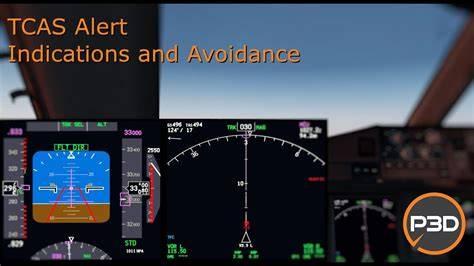
A routine landing approach into Denver International Airport (DEN) turned into a tense aviation incident when United Airlines Flight 779 reported a severe electrical disturbance that disrupted cockpit communications before triggering a Traffic Collision Avoidance System (TCAS) Resolution Advisory). The event has raised fresh concerns about communication reliability and aging air traffic control infrastructure at one of the busiest airports in the United States.
The aircraft landed safely on Monday, but after arriving on the ground, the crew stopped on the taxiway to inform Denver Tower about the unusual experience. According to recorded air traffic control audio shared online, the pilots described intense interference that made communication inside the cockpit extremely difficult during the final stages of the approach.
The incident involved a relatively new aircraft, adding another layer of uncertainty to the investigation. The Boeing jet involved was reportedly registered as N67350 and was only around two years old, making a major aircraft system failure less likely but still possible. While the exact cause remains unknown, the situation demonstrated how multiple unexpected problems can quickly increase workload for flight crews during a critical phase of flight.
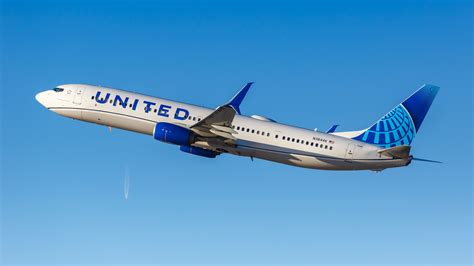
Cockpit Communications Disrupted Before TCAS Resolution Advisory
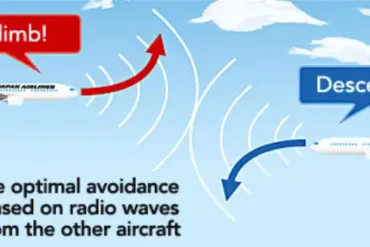
The most concerning part of the event was not only the radio interference but the combination of communication difficulties and an unexpected TCAS alert. The system is designed to help aircraft avoid collisions by monitoring nearby traffic and issuing automatic instructions when another aircraft may create a dangerous conflict.
United’s crew reported that the electrical disturbance became so severe that normal communication inside the cockpit was affected. The pilots told controllers that the noise was overwhelming and that they struggled to hear air traffic control instructions clearly.
The crew’s statement after landing described the situation:
“On approach, we had a severe electrical disturbance in our headsets. It got so loud that we could barely communicate in the cockpit. It was hard to hear ATC, and then we got that TCAS Resolution Advisory that we had to contend with as well.”
A TCAS Resolution Advisory is treated as a high-priority safety event because pilots are trained to follow the system’s instructions immediately, even if those instructions conflict with air traffic control guidance. The system exists as an additional safety barrier when normal separation methods become insufficient.
The combination of degraded communication and a TCAS warning created a challenging scenario for the flight crew. Although the aircraft landed safely, aviation safety experts typically view these situations seriously because they involve two critical layers of protection being affected at the same time.
Denver Airport’s Ongoing Air Traffic Communication Challenges
The United Flight 779 incident comes after previous communication failures at Denver International Airport that exposed vulnerabilities in the airport’s air traffic control systems. In 2025, multiple aircraft reported losing communication with Denver Tower during approach, with some flights experiencing radio disruptions lasting more than a minute.
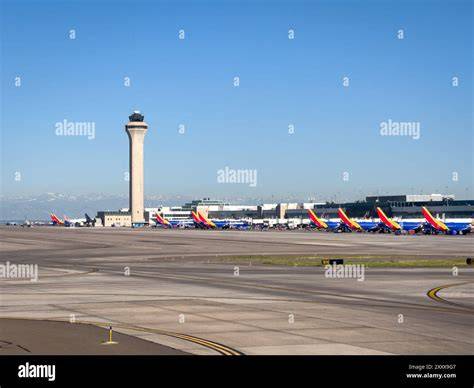
Investigators later determined that failures involving both primary and backup radio transmitters contributed to the earlier disruption. The event highlighted concerns about aging infrastructure that supports thousands of daily aircraft movements across one of America’s busiest aviation hubs.
Denver International Airport and the Federal Aviation Administration (FAA) have been working on major modernization efforts involving radar, communication networks, and data systems. The upgrades were originally expected to take many years, but previous disruptions accelerated plans for improvements.
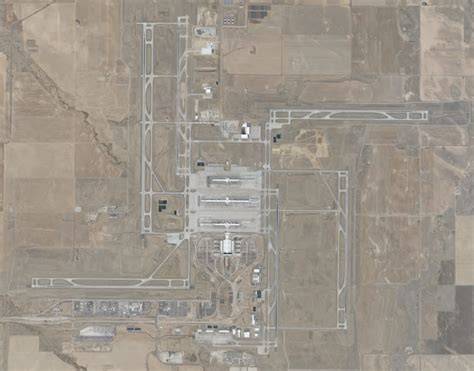
The need for reliable communication systems is especially important at Denver because of its complex airspace environment. The airport handles hundreds of daily arrivals and departures, with aircraft frequently operating in close proximity during busy periods.
The Mystery Surrounding Denver International Airport
Denver International Airport has long attracted unusual attention because of various conspiracy theories connected to its artwork, underground construction, and unique design features. The airport has become part of popular culture due to speculation about hidden facilities beneath the airport grounds.
However, aviation specialists point to much more practical explanations when communication problems occur. Equipment failures, aging infrastructure, maintenance challenges, and technical faults are common issues across large transportation networks.
The recent United Airlines incident does not provide evidence supporting unusual theories surrounding Denver. Instead, it highlights a more familiar aviation challenge: ensuring that critical systems remain reliable as airports handle increasing levels of traffic.
Safety Investigation Expected After United Flight Incident
The FAA generally reviews incidents involving major communication losses, particularly when aircraft experience problems during approach or landing. The addition of a TCAS Resolution Advisory makes the United Flight 779 event especially significant because the system directly affects aircraft separation decisions.
Modern aviation depends on multiple backup systems working together. Pilots rely on air traffic controllers, onboard navigation equipment, collision avoidance technology, and aircraft monitoring systems to maintain safe operations. When more than one system experiences difficulties simultaneously, the importance of proper procedures and crew training becomes clear.
United Flight 779 ultimately completed its journey without injury or aircraft damage. However, the event serves as another reminder that reliable aviation infrastructure remains essential. As Denver continues upgrading its communication systems, regulators and airport officials will be watching closely to ensure future disruptions do not threaten the safety margins that modern aviation depends upon.