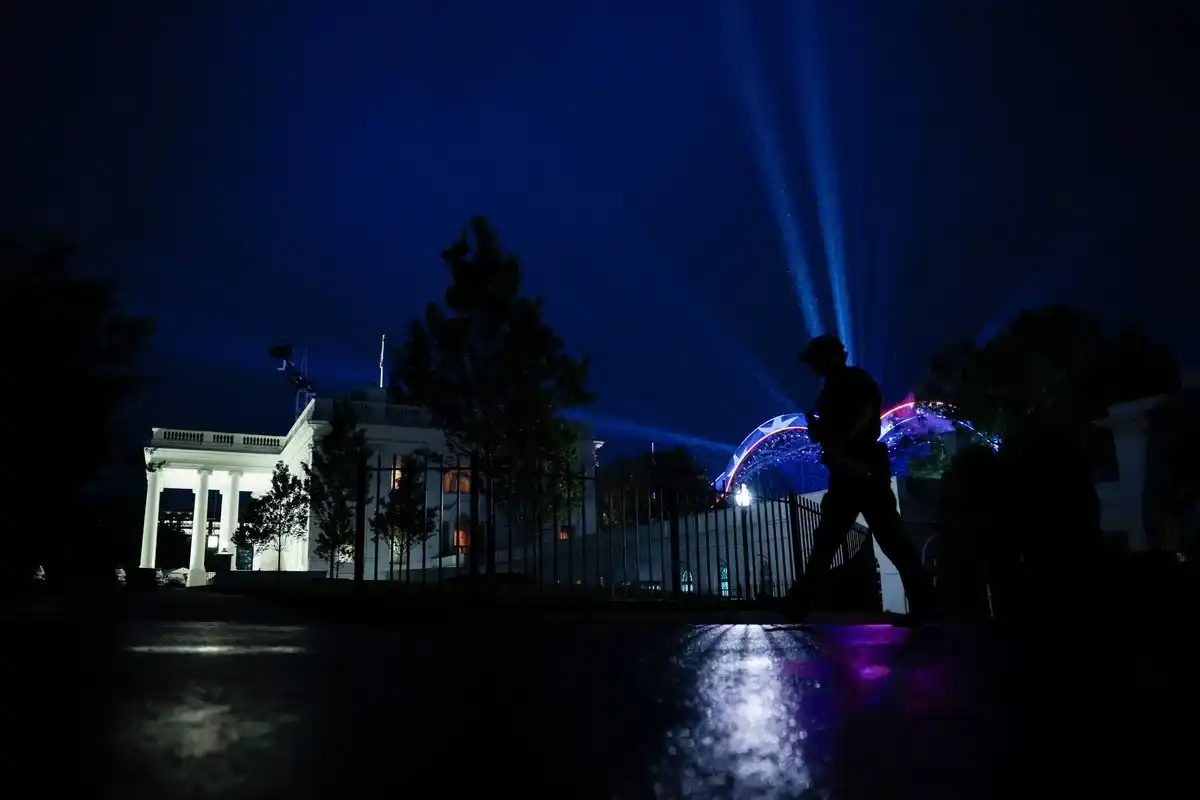
A commercial airline pilot has submitted formal safety reports after alleging that powerful lighting used for a UFC event staged on the White House South Lawn created an intense visual hazard while approaching Ronald Reagan Washington National Airport (DCA). According to the pilot, the illumination was dramatically more disruptive than a typical laser strike and occurred during one of the most safety-critical moments of flight, raising fresh concerns about coordination between aviation authorities and organizers of high-profile events in Washington, D.C.
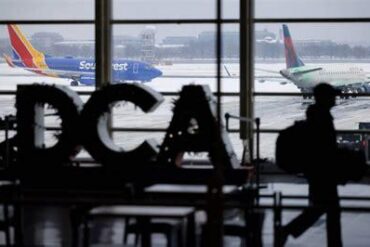
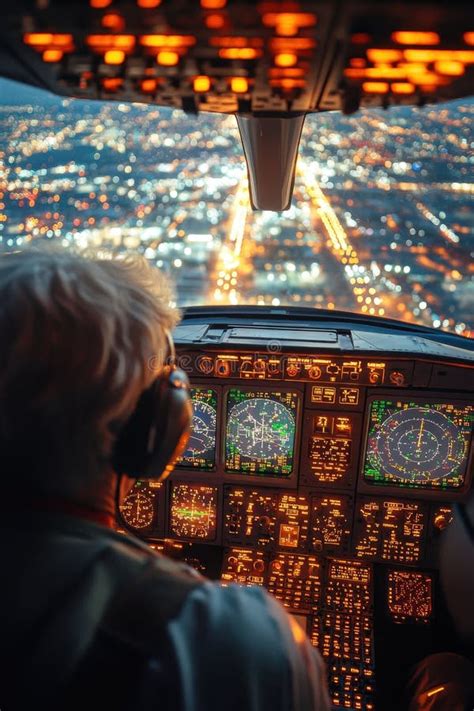
The incident reportedly took place during a nighttime approach to DCA, an airport located only about three miles from the White House and surrounded by some of the most tightly controlled and congested airspace in the United States. The pilot claimed the bright lights flooded the cockpit unexpectedly, making it difficult to maintain normal visual references during the final stages of landing.
The report has been filed with both the Federal Aviation Administration (FAA) and NASA’s Aviation Safety Reporting System (ASRS), bringing additional attention to the potential impact of large-scale entertainment lighting installations positioned near active flight corridors.
Bright Event Lighting Allegedly Created Major Cockpit Visibility Hazard
The lighting installation was part of a temporary arena constructed on the White House South Lawn for UFC Freedom 250, an event scheduled for June 14 to commemorate President Donald Trump’s 80th birthday and the 250th anniversary of American independence. Public footage released from a press conference before the event showed extensive overhead lighting projecting powerful beams into the night sky above the nation’s capital.
According to the pilot’s account, the effect inside the cockpit was extraordinary. The individual reportedly described the experience as being “ten times worse than any laser illumination event” encountered throughout an aviation career. Such a comparison is significant because laser incidents have long been recognized by regulators as one of the most dangerous external visual threats facing flight crews.
Unlike isolated laser pointers, the reported source in this case was a professionally installed entertainment lighting system attached to a large overhead structure commonly referred to as “The Claw.” The installation reportedly formed part of a project estimated to cost approximately $60 million.
Reagan National’s Complex Flight Environment Magnifies Safety Concerns
Ronald Reagan Washington National Airport already demands exceptional precision from commercial pilots. Aircraft approaching the airport routinely execute procedures shaped by restricted airspace surrounding federal buildings and sensitive government locations.
One of the defining characteristics of arrivals into DCA is the requirement for an unusual late turn onto final approach, leaving crews with little margin for distraction during the final moments before touchdown. Any unexpected visual interference at this stage can complicate workload and reduce situational awareness.
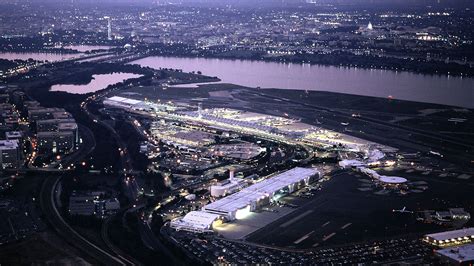
The airport is also home to Runway 1/19, recognized as the busiest single runway in the United States. Military aircraft, government operations, and civilian traffic frequently share nearby airspace, creating an operating environment that already requires extensive coordination between controllers and flight crews.
The complexity of the region received renewed public attention following the January 2025 collision involving American Eagle Flight 5342 and a U.S. Army UH-60 Black Hawk helicopter, an accident that underscored the challenges associated with dense traffic around Washington.
Light Exposure Can Become a Serious Aviation Threat
Bright external illumination presents risks extending well beyond simple distraction. Cockpit windshields can refract and scatter incoming light, producing glare that temporarily degrades a pilot’s ability to distinguish runway features, terrain, or other aircraft.
The FAA has documented thousands of incidents involving laser strikes over recent years. In 2025, pilots collectively reported nearly 11,000 laser illumination events, averaging roughly 30 reports every day across the United States.
Some of those encounters have resulted in temporary visual impairment or eye injuries, prompting strict federal penalties for individuals who intentionally shine lasers at aircraft. Violators can face substantial financial penalties and prison sentences because even brief exposure during takeoff or landing can jeopardize flight safety.
Although entertainment lighting differs from handheld lasers in both purpose and design, extremely intense beams aimed skyward may still create unexpected visual effects for pilots operating nearby, particularly during nighttime conditions.
Questions Raised About Notification and Operational Coordination
The reported incident has generated discussion regarding whether flight crews received adequate warning about possible lighting activity associated with the White House event.
According to the pilot’s account, inquiries directed to a local FAA office allegedly resulted in advice to present concerns directly to the White House. Publicly available information has not established whether special notices or operational advisories concerning potential visual disturbances were distributed before the reported encounter.
Because the White House lies beneath protected airspace where routine overflight is prohibited, planners may reasonably assume that aviation risks remain limited. However, nearby arrival and departure corridors serving Reagan National place aircraft within visual range of government facilities during critical phases of flight.
The combination of intense lighting displays and high-density commercial traffic therefore introduces operational considerations extending beyond traditional event management.
FAA and Aviation Community Likely to Examine Reported Incident
Safety reporting systems such as the FAA database and NASA’s ASRS exist to identify hazards before they contribute to accidents. Reports submitted through these channels frequently assist regulators, airport authorities, and industry stakeholders in refining procedures and preventing similar occurrences.
The pilot’s allegation does not by itself establish that regulatory violations occurred or that the lighting directly endangered an aircraft. Nevertheless, the description of illumination reportedly exceeding normal laser incidents has attracted attention because of its potential implications for flight operations around one of America’s busiest airports.
As the UFC event proceeds and officials evaluate the submitted reports, aviation professionals will likely focus on whether additional coordination, advance notification, or technical adjustments to large-scale lighting systems could reduce future risks. In an airspace environment already characterized by restricted zones, complex approach paths, and heavy traffic volumes, preserving unobstructed cockpit visibility remains a fundamental component of safe flight operations.