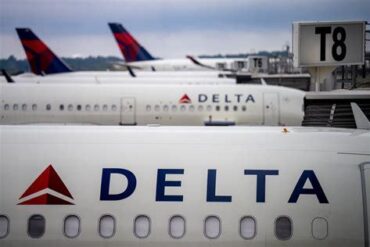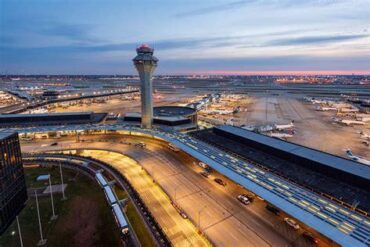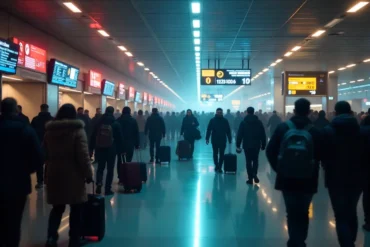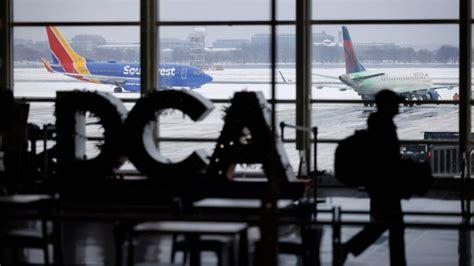
A powerful summer storm has thrown the U.S. aviation system into disarray, leading to the cancellation and delay of over 1,200 flights across four of the nation’s most critical airports: John F. Kennedy International (JFK), Chicago O’Hare (ORD), Newark Liberty (EWR), and Ronald Reagan Washington National (DCA). The ripple effect has impacted major airlines including United, American, JetBlue, Delta, Southwest, Air Canada, and Frontier, creating a logistical nightmare that has left thousands of passengers stranded or scrambling for alternatives.
Unrelenting Storm Paralyzes Travel Infrastructure
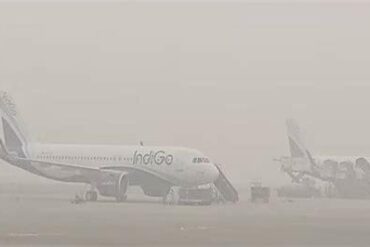
The storm, marked by intense thunderstorms, high winds, and low visibility, first took hold in the early morning hours and quickly moved through the Mid-Atlantic and Northeast. As the weather worsened, air traffic controllers were forced to reduce arrival and departure rates, while ground crews struggled with tarmac safety operations.
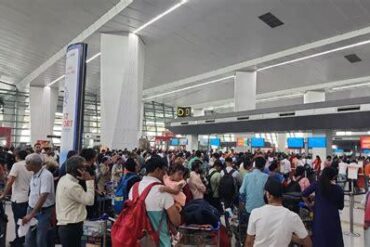
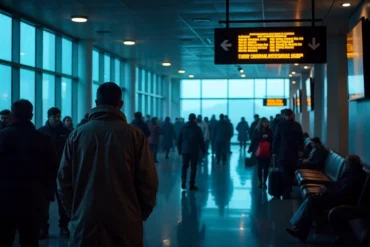
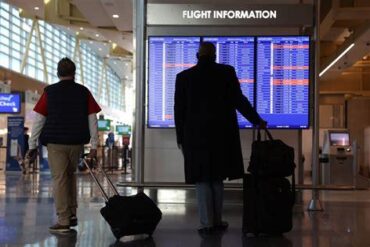
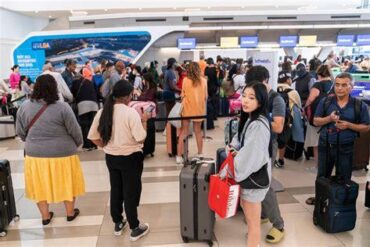
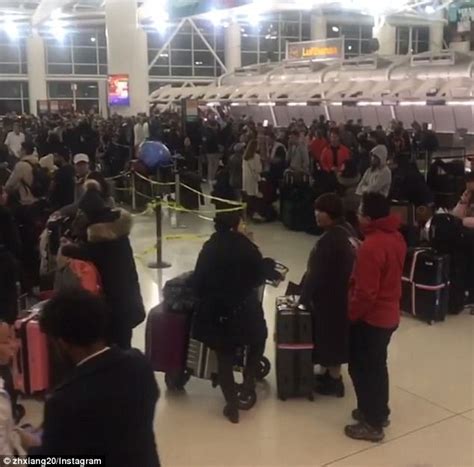
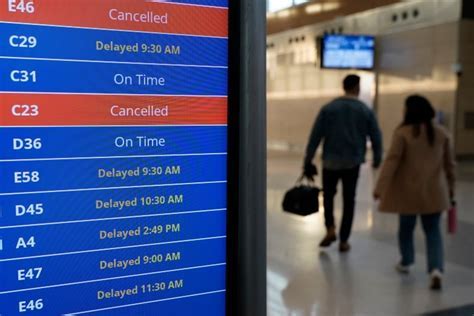
Airline operations ground to a halt in many terminals, with delayed and canceled flights creating terminal congestion, rebooking chaos, and long wait times for frustrated travelers.
Chicago O’Hare Faces the Heaviest Impact
Chicago O’Hare International Airport (ORD) suffered the most significant operational setback. The airport recorded 317 delays and 64 cancellations, led by widespread disruptions to American Airlines, United, and regional operators like SkyWest and Envoy Air. The inclement weather stalled dozens of aircraft on the ground, with passengers reporting multiple gate changes and hours-long delays.
American Airlines, one of the airport’s dominant carriers, cancelled 48 flights and delayed 47, while United recorded 38 delays and 4 cancellations. Regional partners struggled to keep pace as well—SkyWest alone had 72 delayed flights, signaling a severe breakdown in short-haul connectivity across the Midwest.
JFK International: Ripple Effect Echoes Globally
At John F. Kennedy International Airport (JFK), the storm caused a major operational bottleneck, especially for international flights and large domestic hubs. A total of 235 flights were delayed and 74 were cancelled, many involving long-haul operations.
Delta Air Lines and Endeavor Air, its regional partner, faced the most pressure, each logging 19 cancellations. JetBlue, which has a substantial base at JFK, was forced to delay 66 flights, while American Airlines canceled 14 and delayed 19. The disruption extended beyond U.S. borders, with Emirates, Air France, Turkish Airlines, and British Airways all reporting delays and rescheduling.
Newark Liberty: Regional Airlines Hit Hard
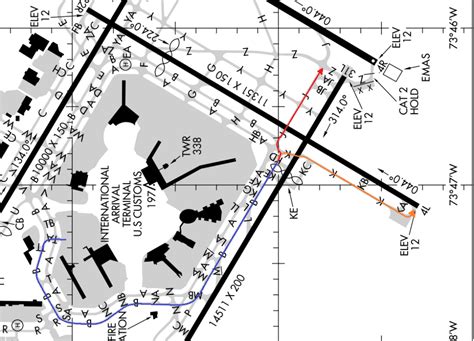
Newark Liberty International Airport (EWR) logged 232 delays and 73 cancellations, reflecting a severe hit particularly to regional carriers. Republic Airlines saw 21 cancellations and 44 delays, followed by GoJet, which endured 10 cancellations and 18 delays.
Even United Airlines, which operates a hub at Newark, was not spared—it delayed 99 flights, though cancellations were held to 10. Air Canada, Spirit, and Porter Airlines reported various levels of service interruptions, affecting not just U.S. domestic flights but also cross-border traffic into Canada.
Reagan National Leads in Cancellation Rate
Ronald Reagan Washington National Airport (DCA) saw the highest flight cancellation rate among the four airports, with 92 flights cancelled and 128 delayed. PSA Airlines, a regional affiliate of American, led with 30 cancellations and 34 delays. American Airlines itself suffered 27 cancellations, compounding issues for passengers flying along the Eastern Seaboard.
Delta, Republic, and Envoy Air all contributed to the disruption, with Southwest Airlines delaying 29 flights, despite managing to avoid outright cancellations. The bottleneck at Reagan, a crucial short-haul and political travel node, strained regional air mobility and impacted commuter reliability throughout the Mid-Atlantic.
Airlines Scramble to Recover
Major carriers including United, Delta, JetBlue, and American issued travel waivers and activated emergency recovery protocols, urging passengers to check flight status through mobile apps and offering free rebooking for affected routes. However, airport staff were quickly overwhelmed. At JFK and O’Hare, wait times exceeded two hours just to reach customer service agents, while online systems buckled under a flood of rescheduling attempts.
For some, rebooking options extended well into the next day or later, particularly for passengers traveling on full flights or to remote regional airports with limited service frequency.
Breakdown by Airport and Carrier
Here is a detailed snapshot of the storm’s impact:
Chicago O’Hare (ORD)
- Total Delays: 317
- Total Cancellations: 64
- Key Disruptions: American (48 cancellations), United (38 delays), SkyWest (72 delays), Envoy Air (56 delays)
JFK International (JFK)
- Total Delays: 235
- Total Cancellations: 74
- Key Disruptions: Delta & Endeavor (19 cancellations each), JetBlue (66 delays), American (14 cancellations)
Newark Liberty (EWR)
- Total Delays: 232
- Total Cancellations: 73
- Key Disruptions: Republic (21 cancellations), United (99 delays), GoJet (18 delays), Spirit & Porter (combined 28 delays)
Reagan National (DCA)
- Total Delays: 128
- Total Cancellations: 92
- Key Disruptions: PSA Airlines (30 cancellations), American (27 cancellations), Southwest (29 delays)
Total Disrupted Flights Across All Airports: 1,215
Impact on U.S. Airspace and Passenger Flow
The widespread impact of the storm underscores the vulnerability of the U.S. air travel system to sudden weather shifts. With key hubs like O’Hare, JFK, and Newark serving as national and international gateways, any disruption has cascading effects across the country and even overseas. Passengers flying through secondary airports felt the indirect consequences as crews and aircraft were repositioned or delayed.
Furthermore, the situation revealed an increasing dependency on regional airlines. Carriers like Republic, PSA, and SkyWest were among the hardest hit, showing how frontline disruptions aren’t confined to big names like Delta or United but also include the lesser-known links that bind the U.S. flight network together.
Weather Forecasts Threaten Further Chaos
The National Weather Service has issued additional storm advisories through Monday, warning of ongoing thunderstorms, wind shear, and poor visibility in areas surrounding major hubs. The Federal Aviation Administration (FAA) continues to regulate traffic flow through ground stops and delay programs.
Airlines have extended travel waivers for routes connected to affected airports and may further reduce operations to maintain safety and control scheduling bottlenecks.
The Bigger Picture: Weather and Airline Fragility
This latest travel meltdown is part of a larger pattern of weather-related disruptions plaguing air travel in recent years. As climate volatility intensifies, airlines face new challenges in maintaining consistent schedules and protecting customer trust.
The June 29 event is a stark example of how a single weather system can cripple multiple major airports simultaneously, impacting not only air traffic but also logistics chains, crew rotations, and interline partnerships. The aviation industry is being called to invest in stronger resilience planning, upgraded IT systems, and better real-time passenger communications to handle such events.
Looking Ahead
As recovery efforts continue, airline executives and federal aviation authorities are likely to face renewed scrutiny over how storms are managed, how passengers are informed, and how quickly operations can rebound. For now, the emphasis remains on stabilizing schedules, clearing backlogs, and minimizing the lasting disruption from one of the worst storm-induced aviation gridlocks so far in 2025.
With the July travel surge just days away, travelers are urged to monitor forecasts, book flexible fares, and prepare for potential rebooking—even if skies appear clear. The weather may pass, but the aftershocks of June 29 will echo through the terminals for days to come.