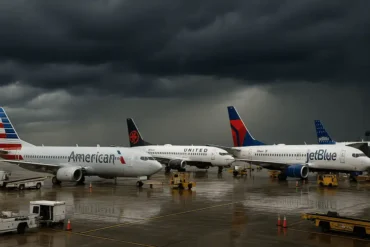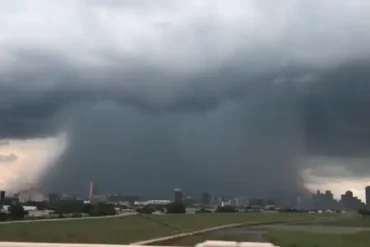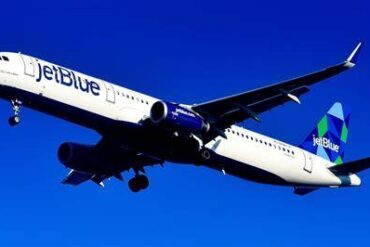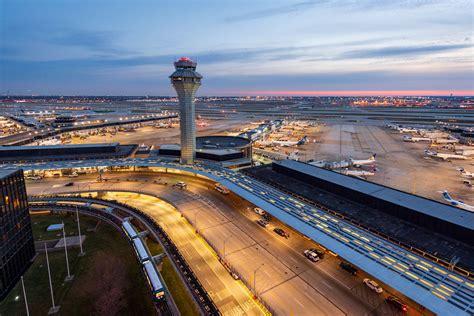
Travel across the United States has plunged into widespread chaos as violent summer storms wreak havoc on the country’s busiest aviation hubs. On July 17, 2025, travelers were met with a storm-induced nightmare as weather systems pummeled major airports with torrential rain, lightning, wind shear, and low visibility. The two most severely affected were Chicago O’Hare International Airport (ORD) and Ronald Reagan Washington National Airport (DCA)—together accounting for hundreds of delays and cancellations, and triggering a domino effect that paralyzed schedules for American Airlines, United Airlines, and multiple regional carriers.
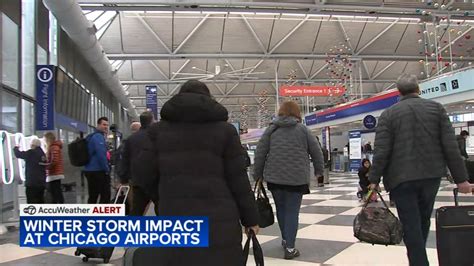
Reagan National and Chicago O’Hare Plunge into Operational Chaos
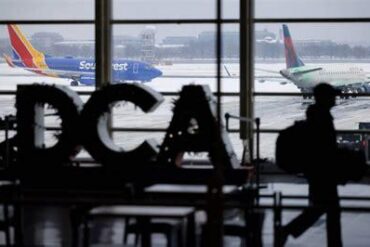
At Reagan National Airport, a relentless barrage of thunderstorms ground operations to a crawl. 197 delays and a staggering 99 flight cancellations left passengers stranded in terminals with little clarity on rescheduling. The low visibility and saturated tarmac created insurmountable challenges for air traffic controllers and ramp crews. With every weather cell that hovered overhead, additional flights fell victim to cascading delays.
Meanwhile, Chicago O’Hare, already infamous for its weather-induced flight volatility, bore the brunt of the storm’s fury. The airport experienced 525 delays and 77 cancellations in a single day. Thick fog blanketed the runways. A low cloud ceiling and pounding rain caused a near-constant state of operational freeze. Ground crews struggled to safely move aircraft in an environment defined by slick surfaces and poor sightlines.
Nationwide Flight Gridlock: A Chain Reaction
What began as regional disruptions rapidly escalated into nationwide travel turmoil. Dozens of airports reported severe delays as storms migrated eastward and compounded already strained summer schedules. The Federal Aviation Administration (FAA) issued multiple ground stops throughout the day as visibility and tarmac conditions deteriorated coast to coast.
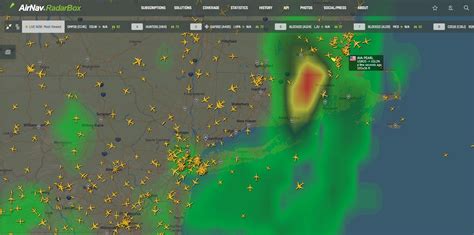
Among the airports worst affected were:
- Denver International Airport (DEN) recorded 531 delays, the highest in the nation, as erratic winds and rolling thunderstorms disrupted operations across multiple terminals.
- Dallas/Fort Worth International Airport (DFW) saw 364 delays and 8 cancellations due to lightning threats and aircraft handling slowdowns.
- Hartsfield-Jackson Atlanta International (ATL)—a major transit hub—reported 307 delays as summer squalls led to airfield halts and takeoff holds.
Even typically weather-resilient airports such as Los Angeles International (LAX) and Phoenix Sky Harbor (PHX) were not spared. LAX faced 191 delays, with coastal cloud cover stalling morning flights. In Phoenix, high tarmac temperatures reduced aircraft turnaround times, culminating in 148 delays.
American and United Airlines Grapple with Operational Crisis
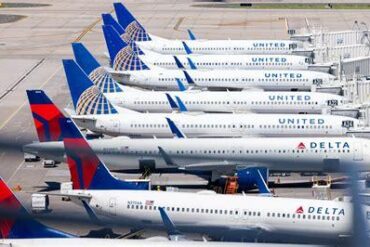
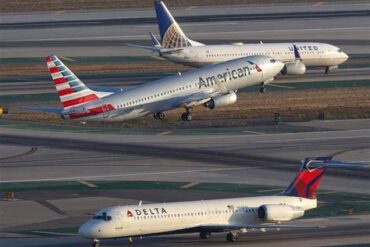
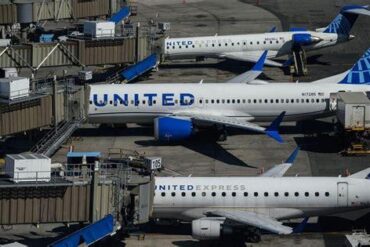
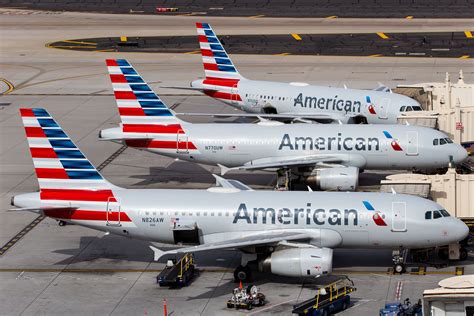
American Airlines and United Airlines, whose operations are tightly woven into the fabric of these major hubs, absorbed the largest operational blows. Chicago O’Hare, a stronghold for United, saw 127 United flight delays, while Reagan National logged 55 American delays—disrupting regional and transcontinental connections alike.
The ripple effect traveled far beyond the airports in question. In Newark Liberty, United endured 108 delays, and in JFK, JetBlue, Delta, and American saw dozens of impacted routes. Regional feeder carriers such as Envoy Air, PSA Airlines, and SkyWest were hit disproportionately due to their reliance on efficient turnaround windows and tight scheduling.
Breakdown of the Worst-Hit Airports
While Reagan and O’Hare took center stage, numerous other airports witnessed escalating setbacks:
- Denver (DEN): 531 delays, 8 cancellations — worst total delay count nationwide
- Chicago O’Hare (ORD): 525 delays, 77 cancellations — worst cancellation total
- Atlanta (ATL): 307 delays
- DFW (Dallas): 364 delays
- Miami (MIA): 289 delays
- Orlando (MCO): 259 delays
- Newark (EWR): 241 delays, 37 cancellations
- JFK: 229 delays, 50 cancellations
- Boston Logan (BOS): 208 delays, 27 cancellations
- Charlotte (CLT): 172 delays, 18 cancellations
These numbers reflect an interconnected national aviation system vulnerable to local weather patterns with nationwide repercussions.
Storm Patterns and Meteorological Impact
According to meteorologists, the storm systems responsible were driven by a clash between high-pressure heat domes in the Southwest and cold fronts from Canada pushing down through the Midwest and Northeast. The result was an atmospheric powder keg that produced slow-moving, severe thunderstorms with frequent lightning strikes, intense rainfall, and sudden wind shifts.
These conditions are particularly dangerous at airports due to their effect on visual approach protocols, ramp crew safety, and aircraft taxiing capability. Lightning alerts halted ramp operations for up to 45 minutes at several airports, causing aircraft to sit idle at gates or in holding patterns.
Infrastructure Strain and Passenger Fallout
While the weather was the direct catalyst, airport infrastructure vulnerabilities and airline scheduling inflexibility made the situation worse. Peak summer travel volume, combined with tight airline rosters and minimal buffer windows, left little room for error. Once a few flights were delayed, gate conflicts and crew timeouts followed—leading to mass cancellations.
Passengers stranded at airports like DCA, ORD, and DEN reported multi-hour waits, overnight terminal stays, and last-minute itinerary changes. In many cases, passengers received notifications of delays after boarding, only to be held on the tarmac or re-deplaned due to updated weather alerts.
Real-Time Airline Impact Snapshot
A review of airline-level disruptions gives insight into the scale of impact:
- United Airlines: 127 delays at ORD, 108 at EWR
- American Airlines: 107 delays at ORD, 55 at DCA
- JetBlue: 92 delays at JFK
- Delta Air Lines: 32 delays at JFK, 29 at ORD
- SkyWest: Over 70 delays across multiple hubs
- PSA Airlines: Heavy disruptions at CLT and DCA
- Envoy Air: 44 delays at ORD alone
Regional carriers were especially vulnerable because of their interdependence with hub operations and tighter staffing buffers.
What Travelers Can Expect Going Forward
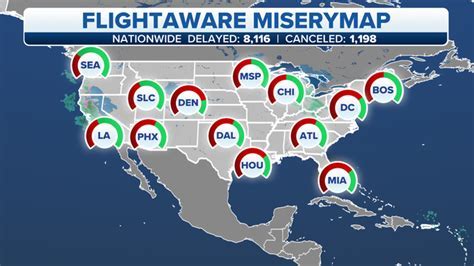
According to aviation experts, these delays represent only the beginning of a turbulent summer season. The 6,594 delays and 473 cancellations in a single 24-hour window point to systemic vulnerabilities that are likely to be tested repeatedly in the coming weeks.
The FAA and National Weather Service (NWS) have warned that July and August will see continued convective storm activity, especially in the Midwest, South, and Eastern Seaboard. This is expected to coincide with record-setting passenger demand, increasing the risk of compounding disruptions.
Industry Response and Strategic Measures
In response to mounting public pressure and rising frustration among passengers, several airlines have issued flexible rebooking policies. American and United have already published advisories allowing customers flying through impacted hubs to modify their travel without penalty.
Airports, meanwhile, are working to optimize ground coordination, install advanced radar systems, and upgrade weather forecasting tech. However, critics argue these changes are not being implemented fast enough to keep up with climate volatility and growing passenger numbers.
Final Outlook: A Stormy Road Ahead for U.S. Aviation
The recent chaos serves as a stark reminder of the fragility of the U.S. aviation system under extreme weather conditions. While climate unpredictability cannot be fully avoided, improved airline contingency planning, infrastructure modernization, and better communication with passengers can help blunt the worst impacts.
Until then, travelers are urged to monitor airline alerts, arrive at airports earlier than usual, and prepare for the possibility of overnight disruptions.
In what is shaping up to be one of the most operationally volatile summers in recent aviation history, the only certainty for U.S. air travelers may be uncertainty itself.